Pneumatic conveying is a widely used method for transporting bulk materials like wood powder through a pipeline using air or other gases. The process involves moving material by creating a pressure differential between the inlet and outlet of the system. Two primary methods are commonly employed: positive pressure conveying and negative pressure conveying. This article provides a detailed comparison of these two approaches, highlighting their applications, advantages, and limitations in the context of wood powder handling.
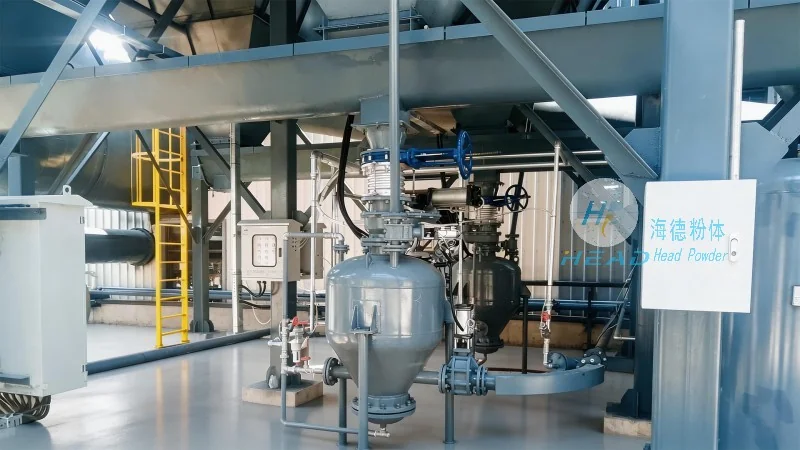
About HeadPowder: Experts in Material Handling Solutions
Shandong HeadPowder Engineering Co., Ltd., operating under the brand name headpowder, is a leading provider of specialized equipment and systems for the wood processing industry. With a focus on innovation and reliability, the company has established itself as a trusted partner for businesses seeking efficient and effective material handling solutions. HeadPowder’s expertise lies in designing and manufacturing systems tailored to the unique challenges of wood powder transportation, ensuring optimal performance and longevity for its clients. The company’s headquarters is located in Shandong, China, where it continues to develop cutting-edge technologies to meet the evolving needs of the industry.
Positive Pressure Conveying: Advantages and Applications
Positive pressure conveying, also known as pressure pneumatic conveying, operates by blowing air or gas into the conveying line, creating a pressure higher than the ambient air pressure. This method is particularly effective for transporting wood powder over long distances or through complex piping systems. One of the key advantages of positive pressure systems is their ability to handle a wide range of material properties, including fine powders and abrasive materials. The high pressure ensures that the material is consistently and reliably moved through the pipeline, minimizing the risk of blockages or clogging. Additionally, positive pressure systems are generally more energy-efficient for longer conveying distances, as they can maintain a consistent flow rate with less pressure drop. HeadPowder offers advanced positive pressure conveying systems that incorporate features such as variable speed drives, pressure sensors, and automated control systems to optimize performance and reduce operational costs.
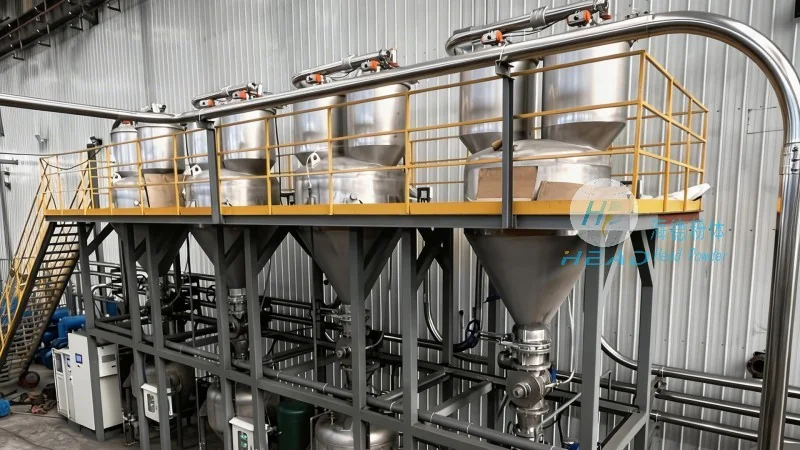
Negative Pressure Conveying: Characteristics and Use Cases
Negative pressure conveying, or vacuum pneumatic conveying, works by creating a vacuum in the conveying line, drawing material from the source into the system. This method is often preferred for short-distance conveying or when the material needs to be collected from multiple points. The primary advantage of negative pressure systems is their ability to handle materials that are sensitive to pressure changes or that may be contaminated with air. For example, in applications where the wood powder is prone to dust or moisture, negative pressure can help maintain a cleaner environment by preventing the release of particles into the surrounding air. However, negative pressure systems are generally less efficient for long-distance transport, as the vacuum can quickly drop, leading to reduced material flow rates. HeadPowder’s negative pressure conveying solutions include high-efficiency vacuum pumps, filtration systems, and material feeders designed to handle the specific characteristics of wood powder, ensuring reliable and clean operation.
Comparative Analysis: Positive vs. Negative Pressure Conveying
When deciding between positive and negative pressure conveying for wood powder, several factors must be considered. The most critical factor is the distance and complexity of the conveying system. For long-distance or complex layouts, positive pressure is typically more suitable due to its ability to maintain consistent pressure and flow. Conversely, for short-distance or point-to-point applications, negative pressure may be more efficient and cost-effective. Another important consideration is the material characteristics, such as particle size, moisture content, and abrasiveness. Fine wood powders with high moisture content may require negative pressure systems to prevent clogging and maintain a clean environment. Energy consumption is also a key factor, as positive pressure systems generally consume more energy for longer distances but can be more efficient for high-volume applications. HeadPowder’s engineers provide comprehensive consultations to help clients evaluate their specific needs and select the most appropriate conveying method, ensuring optimal performance and cost-effectiveness.
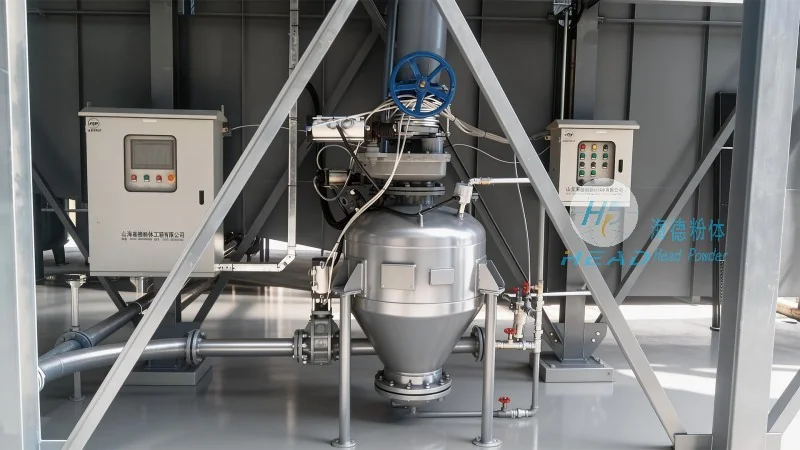
System Maintenance and Best Practices
Both positive and negative pressure conveying systems require regular maintenance to ensure reliable operation. For positive pressure systems, regular checks of air filters, pressure regulators, and pipeline integrity are essential to prevent dust accumulation and blockages. Negative pressure systems, on the other hand, need to be monitored for vacuum levels and filter performance to maintain a clean and efficient operation. HeadPowder recommends implementing a preventive maintenance schedule that includes routine inspections, cleaning, and component replacement to minimize downtime and extend the lifespan of the conveying system. Additionally, proper training for operators on system operation and troubleshooting is crucial for maintaining optimal performance and safety.
Conclusion: Choosing the Right Conveying Method for Wood Powder
Both positive and negative pressure pneumatic conveying methods offer effective solutions for transporting wood powder, each with its own set of advantages and limitations. The choice between the two depends on factors such as conveying distance, material properties, and operational requirements. By understanding the specific needs of the application, businesses can select the most appropriate system to ensure efficient, reliable, and cost-effective material handling. HeadPowder, with its expertise in wood powder handling, provides tailored solutions that address the unique challenges of each project, helping clients achieve their operational goals while maintaining high standards of quality and safety.




