When designing a granular fertilizer pneumatic conveying system, several critical factors must be considered to ensure efficient, reliable, and safe operation. The system's performance is directly influenced by the characteristics of the fertilizer material, the conveying distance, and the overall system configuration. This article outlines key design considerations that professionals in the fertilizer industry should address to optimize their pneumatic conveying solutions.
Material Characteristics and System Selection
The first step in designing a successful granular fertilizer pneumatic conveying system is a thorough analysis of the fertilizer's physical properties. Key characteristics include particle size distribution, bulk density, moisture content, and abrasiveness. These factors determine the appropriate type of pneumatic conveying system—such as dilute phase or dense phase—and the specific equipment components required. For example, highly abrasive fertilizers may necessitate the use of wear-resistant materials in the conveying lines and valves to extend equipment lifespan and reduce maintenance costs. The selection of a dilute phase system, which uses low air-to-material ratios, is often preferred for long-distance conveying due to its lower energy consumption compared to dense phase systems, which employ higher material concentrations and higher air pressures.
Conveying Distance and Pressure Requirements
The distance over which the fertilizer must be conveyed is a primary determinant of the system's pressure requirements. Longer conveying distances typically require higher air pressures to overcome friction losses and maintain material flow. Engineers must calculate the total pressure drop across the system, including losses in the pipeline, fittings, and equipment. This calculation involves considering the pipe diameter, material roughness, and the velocity of the air-fertilizer mixture. For instance, a system designed to transport fertilizer over 500 meters may require pressures of 10-15 bar, while shorter distances might operate effectively at 5-8 bar. Proper pressure control is essential to prevent material degradation, such as caking or agglomeration, which can occur under excessive pressure or temperature conditions.
Pipeline Design and Layout
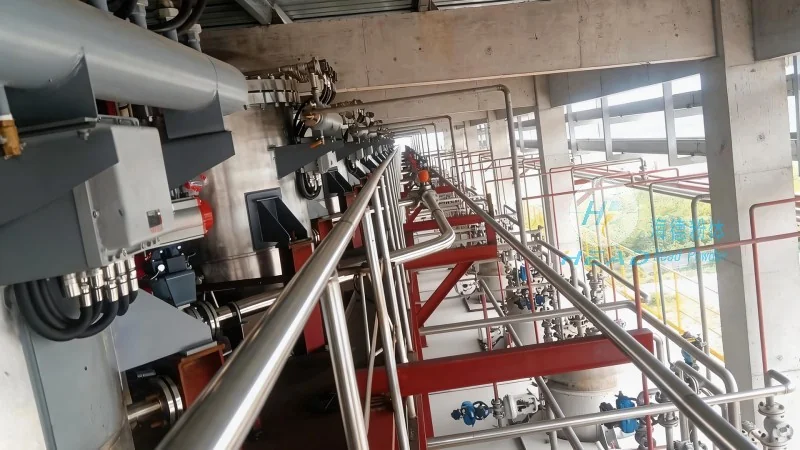
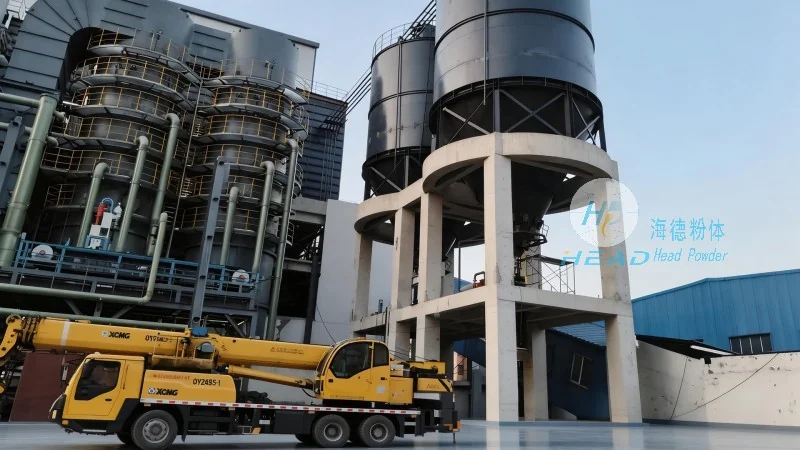
The design of the conveying pipeline is critical to system efficiency and reliability. The pipeline should be sized to accommodate the required material flow rate while minimizing pressure losses. Larger diameter pipes reduce friction losses and allow for higher material throughput, but they also increase initial costs and require more space. The layout of the pipeline should be planned to avoid sharp bends and excessive vertical or horizontal inclines, as these can cause material buildup or blockages. Vertical sections of the pipeline should be equipped with appropriate valves and check valves to prevent backflow and maintain system stability. Additionally, the use of smooth, corrosion-resistant materials for the pipeline, such as stainless steel or PVC, is recommended to ensure long-term durability and prevent contamination of the fertilizer.
Valve and Fitting Selection
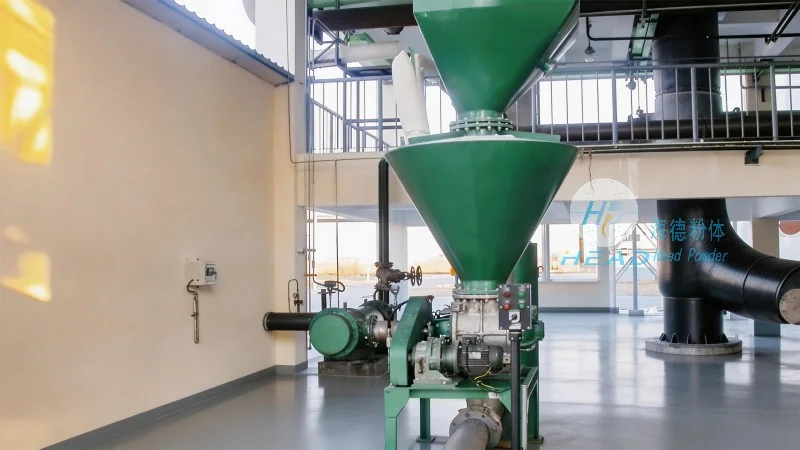
The selection of valves and fittings is crucial for controlling the flow of fertilizer and preventing system failures. The type of valve used depends on the material's characteristics and the system's operating conditions. For example, rotary valves are commonly used at the inlet to feed material into the conveying line, while slide gates or butterfly valves are used for flow regulation and shut-off. The choice of valve material must match the fertilizer's properties, such as abrasiveness or corrosiveness, to prevent wear and tear. Proper sealing is also essential to avoid material leakage, which can lead to environmental contamination and loss of product. Regular maintenance of valves and fittings is necessary to ensure smooth operation and prevent unexpected downtime.
Safety and Environmental Considerations
Safety is a top priority when designing a granular fertilizer pneumatic conveying system. The system must be equipped with safety features such as pressure relief valves, explosion-proof motors, and emergency shut-off systems to prevent accidents. Additionally, the system should be designed to minimize dust emissions, as fertilizer dust can be hazardous to workers and the environment. Dust collection systems, such as baghouses or cyclones, may be required to capture and filter the air before it is released into the atmosphere. Proper ventilation and air filtration are essential to maintain a safe working environment and comply with environmental regulations.
System Integration and Maintenance
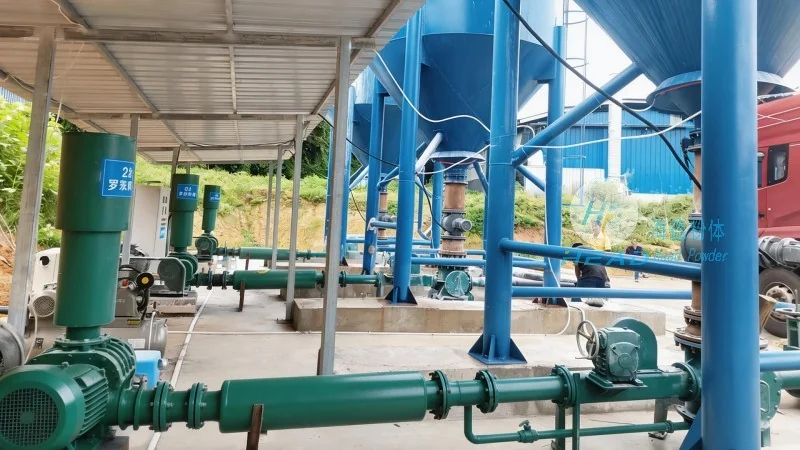
A well-designed pneumatic conveying system is only as good as its integration with the overall fertilizer processing facility. The system should be integrated with other equipment, such as storage silos, feeders, and processing units, to ensure seamless operation. Regular maintenance is critical to maintaining system performance and preventing breakdowns. This includes inspecting and cleaning the pipeline, replacing worn components, and monitoring system performance parameters such as pressure, flow rate, and temperature. A preventive maintenance schedule should be established to address potential issues before they become major problems, thereby reducing downtime and increasing system reliability.
About Shandong HeadPowder Engineering Co., Ltd.
Shandong HeadPowder Engineering Co., Ltd., a leading provider of pneumatic conveying solutions, specializes in designing and manufacturing customized systems for the fertilizer industry. With years of experience and a team of skilled engineers, HeadPowder offers tailored solutions that meet the unique needs of each client. The company is located in Shandong, China, and is committed to providing high-quality, reliable equipment that enhances operational efficiency and safety. HeadPowder's expertise in material handling and pneumatic conveying technology ensures that clients receive systems that are optimized for their specific applications, resulting in improved productivity and reduced costs.




