Designing a pneumatic conveying system for graphene requires careful consideration of the material's unique properties and the system's operational requirements. Graphene, a two-dimensional carbon lattice with exceptional strength and conductivity, presents distinct challenges in material handling compared to traditional bulk solids. Its low density, high surface area, and tendency to form static charges necessitate specialized engineering solutions to ensure efficient and safe transport. This article outlines key design considerations for implementing an effective graphene pneumatic transport system, with a focus on practical applications and operational best practices, while highlighting the expertise of HeadPowder Engineering Co., Ltd., a leading provider based in Shandong, China.
Material Properties and Handling Challenges
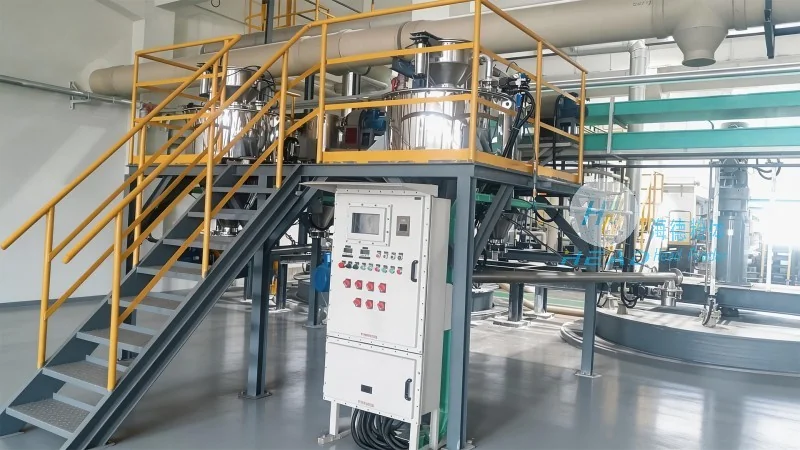
Graphene's physical and chemical characteristics significantly impact the design of a pneumatic conveying system. The material's extremely low density (about 2.266 g/cm³) and high specific surface area (approximately 2630 m²/g) make it prone to agglomeration and static buildup. These properties can lead to uneven flow, blockages, and increased wear on system components. To mitigate these challenges, engineers must incorporate anti-static measures, such as grounding and ionizers, into the system design. Additionally, the use of appropriate hopper designs, including conical or wedge-shaped configurations, helps prevent material bridging and ensures consistent material release. HeadPowder's expertise in material science and process engineering enables the development of tailored solutions that address these specific handling challenges.
System Sizing and Pressure Requirements
The sizing of a pneumatic conveying system for graphene is determined by several critical factors, including the required material throughput, pipeline length, and elevation changes. Accurate flow rate calculations are essential to ensure the system operates within its optimal pressure range. For instance, high-pressure systems (typically 0.5 to 2 MPa) are often used for long-distance transport or high-volume applications, while low-pressure systems (0.1 to 0.5 MPa) are suitable for short-distance or low-volume operations. The selection of the right pressure level directly impacts energy consumption and system efficiency. Engineers must also consider pressure drop across components, such as pipelines, valves, and cyclones, to maintain consistent material flow. HeadPowder provides comprehensive system sizing services, leveraging advanced computational fluid dynamics (CFD) tools to model and optimize system performance.
Equipment Selection and Material Compatibility
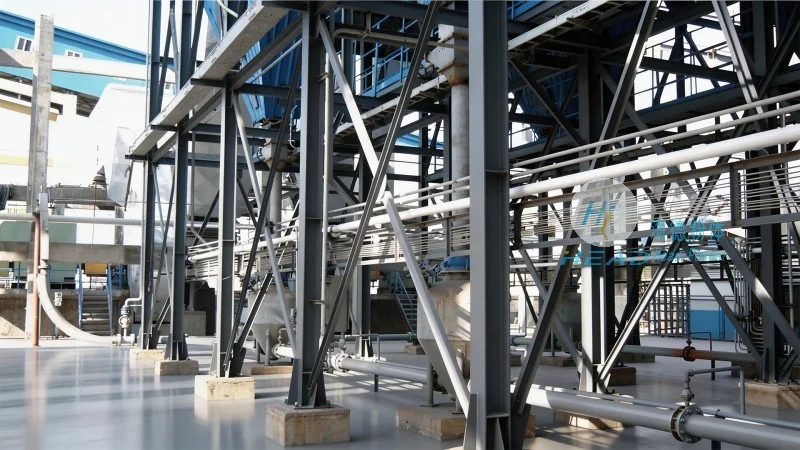
Choosing the appropriate equipment for a graphene pneumatic conveying system involves evaluating material compatibility and durability. Graphene's abrasive nature and potential for chemical reactions with certain materials require the use of corrosion-resistant alloys, such as 316L stainless steel or specialized high-performance plastics. The selection of hoppers, cyclones, and pipelines must account for the material's tendency to form static charges and its low density. For example, wear-resistant liners and anti-static coatings are often applied to hoppers and cyclones to extend their lifespan and prevent material buildup. HeadPowder Engineering Co., Ltd., based in Shandong, China, offers customized equipment solutions that are specifically designed to handle the unique challenges of graphene, ensuring long-term reliability and minimal maintenance.
Control Systems and Automation
Advanced control systems are essential for maintaining consistent performance in graphene pneumatic conveying systems. Automation helps regulate flow rates, pressure, and material levels, ensuring stable operation and preventing system failures. Sensors and monitoring tools, such as pressure transmitters, flow meters, and level detectors, provide real-time data on system performance. This allows for immediate adjustments to maintain optimal conditions. HeadPowder's expertise in automation and control systems includes the integration of PLC (Programmable Logic Controller) and SCADA (Supervisory Control and Data Acquisition) platforms, enabling remote monitoring and predictive maintenance. These systems enhance operational efficiency and reduce downtime by identifying potential issues before they become critical.
Maintenance and Operational Best Practices
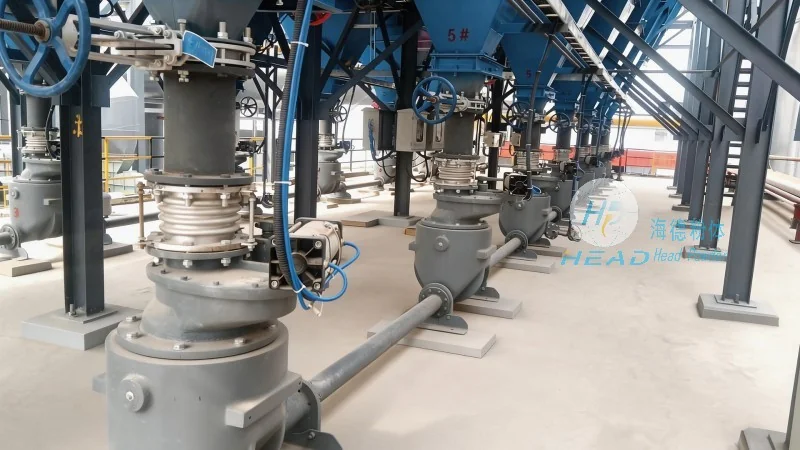
Regular maintenance is critical to the long-term performance and safety of a graphene pneumatic conveying system. This includes routine inspections of pipelines, valves, and cyclones, as well as cleaning of static accumulators and filters. Proper maintenance schedules help identify and address issues before they escalate into major problems. For example, periodic cleaning of cyclone filters and hopper liners prevents material buildup and ensures efficient separation. Additionally, training operators on proper system operation and emergency procedures is essential for safe and efficient operation. By following best practices, companies can maximize the lifespan of their equipment and minimize downtime, ultimately reducing operational costs.
Environmental and Safety Considerations
Graphene is a lightweight, potentially fine particulate material that requires attention to environmental and safety protocols. Proper ventilation and dust control measures are necessary to prevent airborne exposure and ensure compliance with occupational health standards. The system design should include features such as dust collection and filtration to minimize environmental impact. Additionally, safety features like pressure relief valves and emergency shut-off systems are critical to prevent accidents and protect personnel. HeadPowder Engineering Co., Ltd. adheres to strict safety and environmental guidelines in the design and implementation of all conveying systems, ensuring that clients receive solutions that meet both regulatory requirements and industry best practices.




