For industrial applications involving the handling of potassium carbonate, selecting the appropriate pneumatic conveying system is crucial for efficiency, safety, and operational reliability. This technical analysis focuses on the comparison between positive pressure and negative pressure conveying modes, providing insights into their respective advantages, limitations, and suitability for potassium carbonate transport. The discussion is presented by Shandong HeadPowder Engineering Co., Ltd., a leading provider of specialized material handling solutions based in Shandong, China.
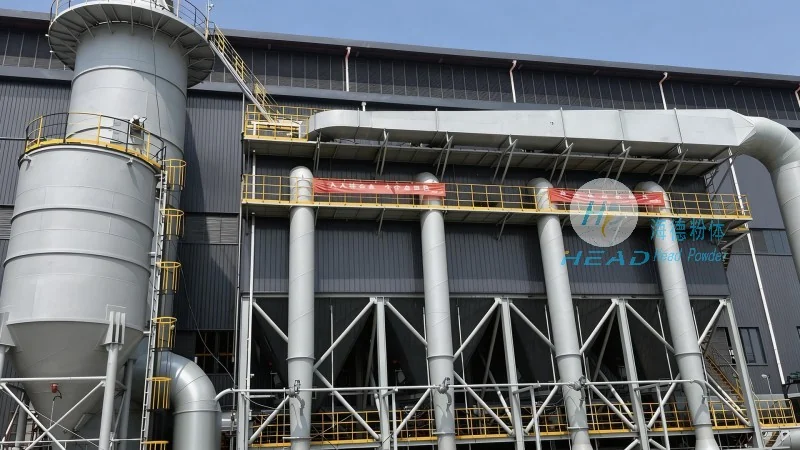
Introduction to Pneumatic Conveying Systems for Potassium Carbonate
Potassium carbonate, a white crystalline solid commonly used in chemical manufacturing, food processing, and pharmaceutical industries, requires specialized handling due to its properties such as dustiness and potential reactivity. Pneumatic conveying systems offer a non-contact method to transport this material from storage to processing units, minimizing contamination and improving process control. The two primary modes of pneumatic conveying—positive pressure and negative pressure—differ in their operational principles, which directly impact system design, maintenance, and performance.
Positive Pressure Conveying Mode: Advantages and Operational Principles
Positive pressure conveying systems operate by blowing air or a carrier gas into the conveying line, creating a pressure higher than the ambient air. This method forces the material to move through the pipeline under the pressure differential. For potassium carbonate, positive pressure systems are often preferred for applications requiring high conveying distances or when the material is sensitive to negative pressure conditions. The system typically includes a blower, a hopper for material storage, and a discharge device at the receiving end. The positive pressure approach ensures consistent material flow and can handle a wide range of particle sizes, making it suitable for bulk transport over long distances.
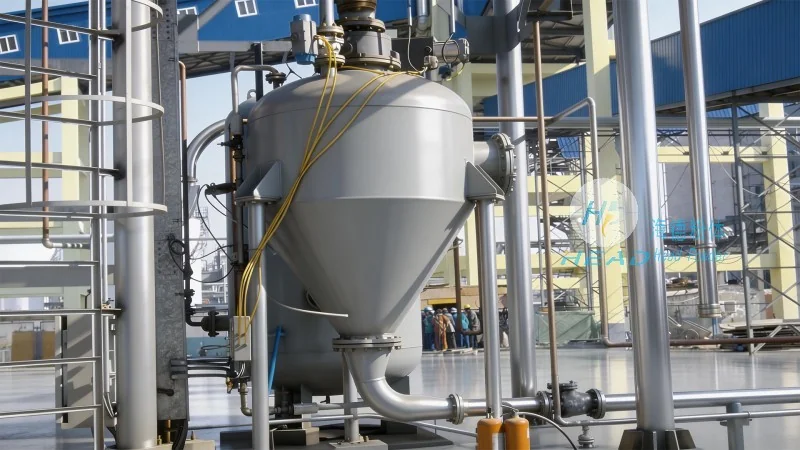
Negative Pressure Conveying Mode: Advantages and Operational Principles
Negative pressure conveying, also known as suction conveying, operates by creating a vacuum in the conveying line, drawing material from the source into the system. This mode is particularly effective for handling fine powders and materials that are prone to dusting, as the vacuum helps maintain material integrity and prevents spillage. For potassium carbonate, negative pressure systems are often used in applications where the material is to be collected from a hopper or a storage silo, especially when the receiving equipment is located at a lower elevation. The system relies on a vacuum pump to create the pressure differential, and it typically includes a filter to capture any airborne particles and prevent environmental contamination.
Key Differences Between Positive and Negative Pressure Conveying
When comparing positive and negative pressure conveying for potassium carbonate, several factors must be considered. Positive pressure systems generally have higher energy consumption due to the need to generate and maintain pressure, but they offer better control over material flow and can handle larger particle sizes. Negative pressure systems, while more energy-efficient for short distances, may require more robust filtration systems to prevent dust accumulation and ensure compliance with environmental regulations. The choice between the two modes also depends on the specific application, such as the distance between the source and destination, the particle size distribution of the potassium carbonate, and the available space for system installation.
Application Considerations for Potassium Carbonate Handling
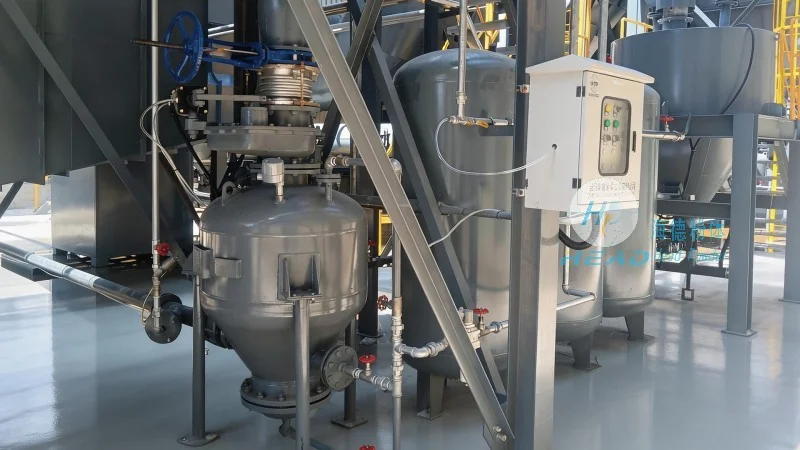
Industrial facilities handling potassium carbonate must evaluate their operational needs carefully when selecting a pneumatic conveying system. For example, a plant with a long conveyor line from a storage silo to a processing unit might benefit from a positive pressure system due to its ability to maintain consistent flow over extended distances. Conversely, a facility where the receiving equipment is located at a lower level and the material is to be collected from a hopper might opt for a negative pressure system to minimize the risk of dust dispersion. Additionally, the system design must account for the material's hygroscopic nature, as moisture can affect the flow characteristics and require additional drying or moisture control measures.
System Components and Design Considerations
Both positive and negative pressure conveying systems consist of several key components that must be carefully selected to ensure optimal performance with potassium carbonate. These components include the blower or vacuum pump, material feeders (such as rotary valves or screw feeders), conveying lines (usually made of stainless steel to resist corrosion from the material), and discharge devices (like rotary valves or airlocks). The design of the system must also consider the potential for material buildup or blockages, especially in the conveying lines, which can be mitigated through proper line sizing, pulsation control, and regular maintenance. For potassium carbonate, which can be abrasive, the use of high-quality, corrosion-resistant materials for the conveying lines and components is essential to extend the system's lifespan and maintain operational efficiency.
Operational Efficiency and Maintenance
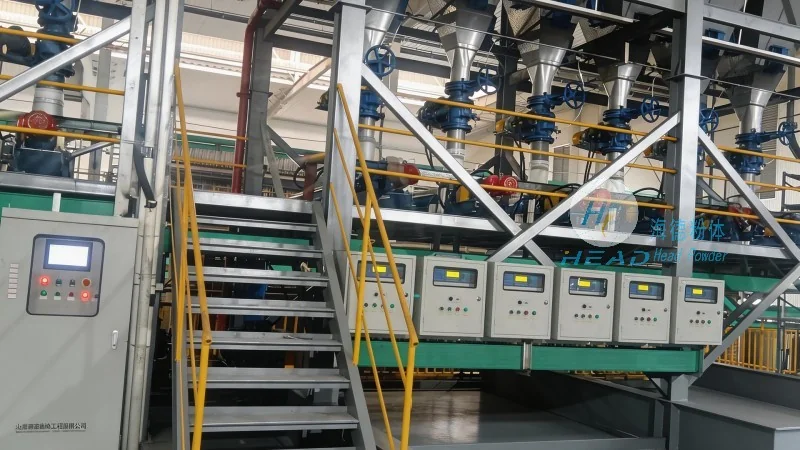
The operational efficiency of pneumatic conveying systems for potassium carbonate is directly influenced by the choice of pressure mode and system design. Positive pressure systems typically require more maintenance due to the higher stress on components like the blower and conveying lines, but they offer better reliability for continuous operation. Negative pressure systems, while requiring less maintenance in terms of pressure generation, may need more frequent filter changes and cleaning to prevent clogging, especially when handling fine powders. Regular maintenance, including inspection of the blower, filter, and conveying lines, is critical to ensure the system operates at peak efficiency and to prevent downtime caused by material blockages or equipment failure.
Environmental and Safety Considerations
Handling potassium carbonate with pneumatic conveying systems also involves environmental and safety considerations. Both positive and negative pressure modes must comply with local regulations regarding dust emission and air quality. The use of filtration systems in negative pressure systems is essential to capture any airborne particles and prevent contamination of the surrounding environment. Additionally, the system design must include safety features such as pressure relief valves and emergency shut-off mechanisms to prevent accidents during operation. For potassium carbonate, which can be a respiratory irritant when inhaled as a fine powder, proper ventilation and personal protective equipment (PPE) are necessary to protect personnel working with the material.
Conclusion: Selecting the Right Conveying Mode for Potassium Carbonate
In conclusion, the choice between positive and negative pressure pneumatic conveying systems for potassium carbonate depends on a variety of factors, including the application requirements, material properties, and operational constraints. Positive pressure systems offer advantages in terms of flow control and handling larger particles, while negative pressure systems are more energy-efficient and suitable for fine powders. By carefully evaluating these factors and considering the specific needs of the industrial process, facilities can select the most appropriate conveying mode to ensure efficient, safe, and reliable transport of potassium carbonate. Shandong HeadPowder Engineering Co., Ltd. provides specialized engineering solutions and technical support to help clients choose and implement the optimal pneumatic conveying system for their potassium carbonate handling needs, ensuring compliance with industry standards and maximizing operational performance.




