Welcome to Shandong HeadPowder Engineering Co., Ltd., a leading manufacturer specializing in the design, development, and installation of advanced wood chip pneumatic conveying systems. Our company, commonly known as HeadPowder, is based in Shandong, China, and has established a strong reputation for delivering high-quality, efficient, and reliable solutions for wood processing industries. This article provides a detailed overview of the operation process and working principle of wood chip pneumatic conveying lines, highlighting the key components, operational steps, and technical aspects that ensure optimal performance.
Introduction to Wood Chip Pneumatic Conveying Lines
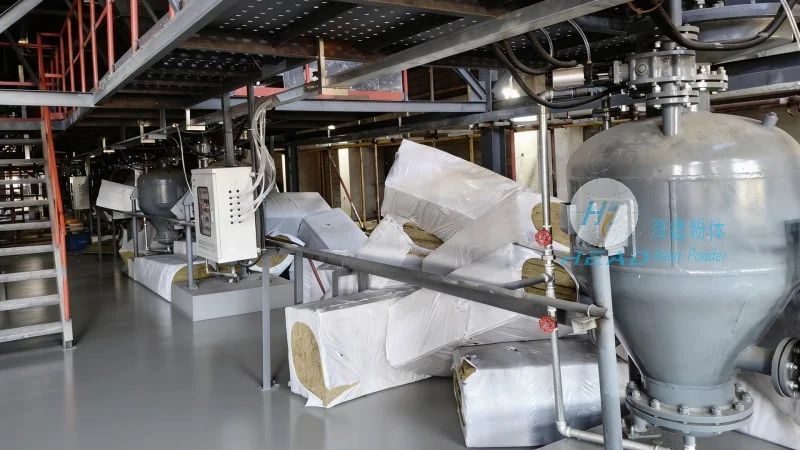
Wood chip pneumatic conveying lines are essential equipment used in the wood processing industry to transport wood chips from one location to another. These systems utilize air as the conveying medium to move wood chips through a pipeline, eliminating the need for mechanical components like belts or buckets. The primary goal of such systems is to achieve efficient, low-cost, and dust-free transportation of wood chips, which is crucial for maintaining product quality and operational safety in wood processing facilities. HeadPowder specializes in designing and manufacturing customized wood chip pneumatic conveying lines that meet the specific requirements of various wood processing applications, including sawmills, pulp and paper mills, and biomass energy plants.
Key Components of a Wood Chip Pneumatic Conveying System
A typical wood chip pneumatic conveying system consists of several critical components that work in tandem to ensure smooth and efficient operation. The main components include the hopper or feed bin, the air compressor or blower, the conveying pipeline, the control system, and the discharge or collection equipment. Each component plays a vital role in the overall functionality of the system.
1. **Hopper or Feed Bin**: This is the storage and feeding unit where wood chips are loaded. The hopper is designed to hold a sufficient quantity of wood chips and is equipped with a feeding mechanism, such as a rotary valve or a star feeder, to regulate the flow of wood chips into the system. The design of the hopper ensures uniform feeding and prevents blockages, which could disrupt the conveying process.
2. **Air Compressor or Blower**: The air compressor or blower is the heart of the pneumatic conveying system, responsible for generating the necessary air pressure to move the wood chips through the pipeline. The choice of compressor or blower depends on the system's capacity, the distance of the conveying line, and the type of wood chips being transported. High-pressure blowers are commonly used for short-distance conveying, while air compressors are preferred for longer distances or higher capacity requirements.
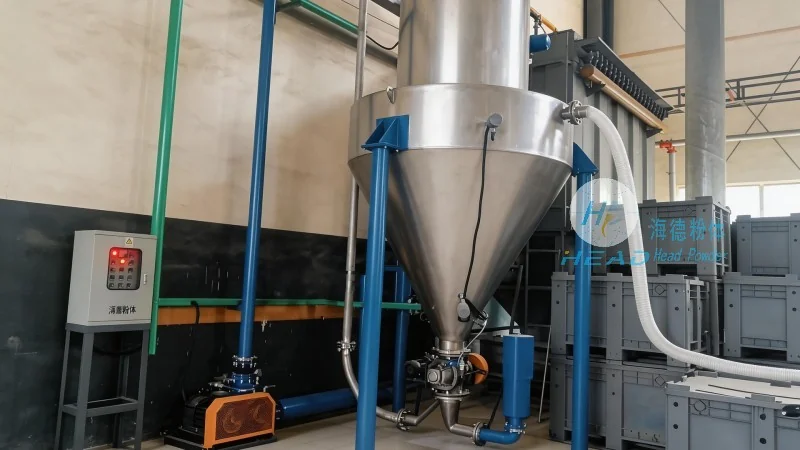
3. **Conveying Pipeline**: The pipeline is the main channel through which wood chips are transported. It is typically made of durable materials such as stainless steel or plastic, which are resistant to corrosion and wear caused by the wood chips. The pipeline is designed with appropriate bends and elbows to accommodate the required conveying path, and it is equipped with pressure relief valves and air filters to maintain system safety and efficiency.
4. **Control System**: The control system is responsible for monitoring and regulating the operation of the pneumatic conveying system. It includes sensors, control panels, and automation equipment that ensure the system operates within safe and optimal parameters. The control system can be programmed to adjust the air pressure, flow rate, and feeding speed based on real-time conditions, thereby improving system efficiency and reducing energy consumption.
5. **Discharge or Collection Equipment**: The discharge equipment is used to collect the wood chips at the end of the conveying line. This may include a hopper, a silo, or a storage bin, depending on the application. The equipment is designed to handle the incoming flow of wood chips and ensure they are stored or processed without any spillage or contamination.
Working Principle of Wood Chip Pneumatic Conveying
The working principle of a wood chip pneumatic conveying system is based on the principle of fluidization and air movement. When the air compressor or blower generates high-pressure air, it is introduced into the conveying pipeline. The air flows through the pipeline, creating a low-pressure zone at the hopper end. As the wood chips are fed into the pipeline, they are entrained by the high-velocity air stream and carried along the pipeline to the discharge point. The air velocity is maintained at a level sufficient to keep the wood chips suspended in the air stream, preventing them from settling or clogging the pipeline.
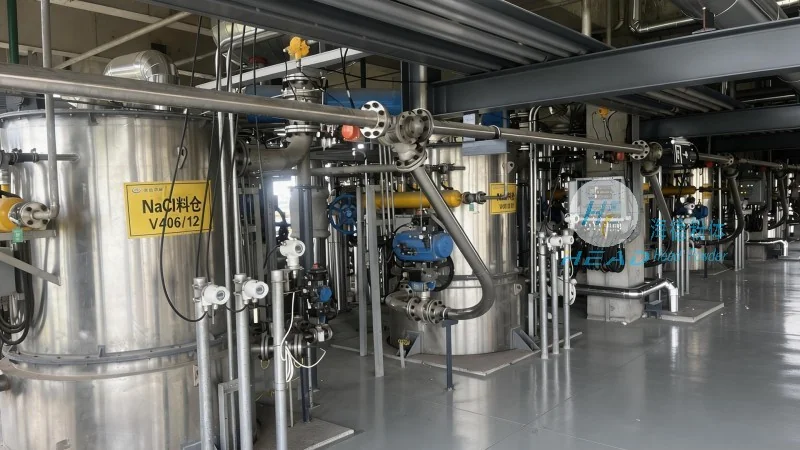
The key to efficient pneumatic conveying is the balance between air velocity and particle size. If the air velocity is too low, the wood chips may settle and cause blockages. Conversely, if the air velocity is too high, excessive energy consumption and wear on the system components may occur. HeadPowder's engineers carefully calculate the required air velocity and pressure based on the specific characteristics of the wood chips, such as size, density, and moisture content, to ensure optimal conveying performance.
Operation Process of a Wood Chip Pneumatic Conveying Line
The operation process of a wood chip pneumatic conveying line involves several sequential steps that ensure the smooth and continuous movement of wood chips from the feed point to the discharge point. The process typically includes the following stages:
1. **Loading and Feeding**: The wood chips are loaded into the hopper or feed bin. The feeding mechanism, such as a rotary valve or star feeder, regulates the flow of wood chips into the pipeline. The feeding rate is controlled to match the system's capacity and the required conveying speed.
2. **Air Compression and Intake**: The air compressor or blower starts operating, generating high-pressure air. The air is introduced into the conveying pipeline, creating a pressure differential between the hopper and the discharge end. The pressure differential ensures that the wood chips are drawn into the pipeline by the moving air.
3. **Conveying and Suspension**: As the wood chips enter the pipeline, they are entrained by the high-velocity air stream and become suspended in the air. The air velocity is maintained at a level that keeps the wood chips in suspension, preventing them from settling or causing blockages. The wood chips are transported along the pipeline to the discharge point.
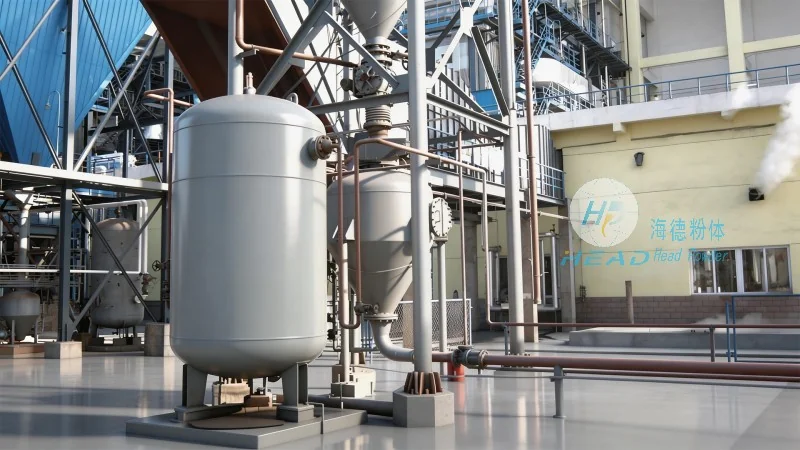
4. **Discharge and Collection**: At the discharge end of the pipeline, the wood chips are collected in the discharge equipment, such as a hopper or silo. The air continues to flow through the pipeline and is typically filtered and recycled back to the compressor or blower to maintain system efficiency.
5. **System Monitoring and Control**: The control system continuously monitors the system's parameters, such as air pressure, flow rate, and temperature. Any deviations from the set points are detected and corrected automatically, ensuring the system operates within safe and optimal conditions. The control system also provides real-time data on the system's performance, allowing operators to make adjustments as needed.
Advantages of Wood Chip Pneumatic Conveying Lines
Wood chip pneumatic conveying lines offer several advantages over traditional mechanical conveying systems. These advantages include:
1. **Efficiency and Speed**: Pneumatic conveying systems can transport wood chips at high speeds, reducing the overall processing time and increasing production efficiency. The system's ability to handle large volumes of wood chips in a short period makes it ideal for high-capacity wood processing facilities.




