Corundum, a high-purity aluminum oxide material, is widely utilized in various industrial sectors including refractory manufacturing, abrasive products, and optical components. The efficient and reliable transportation of corundum powder is essential for maintaining production efficiency and ensuring product quality. Pneumatic conveying systems provide an advanced solution for handling corundum, offering benefits such as minimal dust generation, consistent flow rates, and the ability to transport materials over long distances without the need for complex infrastructure.
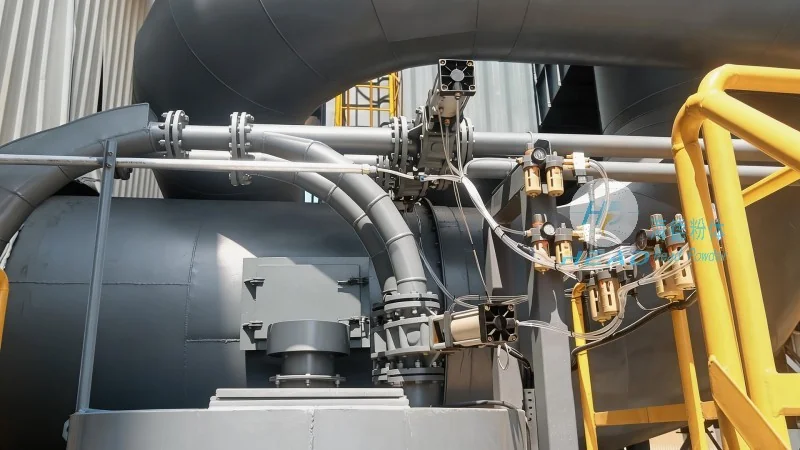
Company Overview: Shandong HeadPowder Engineering Co., Ltd.
HeadPowder, a prominent manufacturer in the powder handling equipment industry, specializes in the design, development, and production of high-performance pneumatic conveying systems. With a strong commitment to innovation and customer satisfaction, the company has established itself as a trusted partner for businesses seeking efficient material handling solutions. HeadPowder's products are engineered to meet the demanding requirements of industrial applications, combining durability, energy efficiency, and ease of maintenance. The company's headquarters is located in Shandong, China, where it operates a state-of-the-art manufacturing facility and research center.
Working Principle of Pneumatic Conveying Systems
Pneumatic conveying systems operate by utilizing compressed air or vacuum to transport solid materials like corundum powder through a pipeline. The fundamental principle involves creating a flow of air that moves the material from the source to the destination. There are two primary types of pneumatic conveying systems: positive pressure and negative pressure (or vacuum) systems. Positive pressure systems use an air compressor to blow air into the pipeline, pushing the material forward. Negative pressure systems, conversely, create a vacuum that draws the material into the line. The choice between these systems depends on factors such as the material's properties, the distance to be covered, and the environmental constraints of the application.
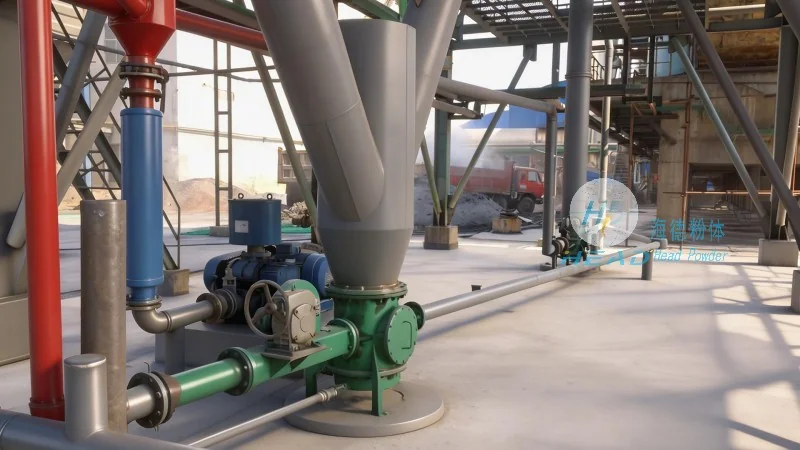
Key Components of a Corundum Pneumatic Conveying Line
A typical corundum pneumatic conveying line comprises several critical components, each designed to perform a specific function in the overall operation. The primary components include the material hopper for storage, a feeder to regulate the flow rate, the conveying pipeline, an air compressor or vacuum pump to generate the necessary pressure, and a receiver for material discharge. The hopper is equipped with a discharge valve to control the material flow into the feeder. The feeder ensures a consistent and controlled supply of corundum to the pipeline, preventing blockages and maintaining stable operation. The conveying pipeline is made of materials resistant to abrasion and corrosion, such as stainless steel or special alloys, to withstand the wear caused by the abrasive corundum particles. The air compressor or vacuum pump provides the energy required to move the material through the system, with the receiver collecting the material at the end of the pipeline.
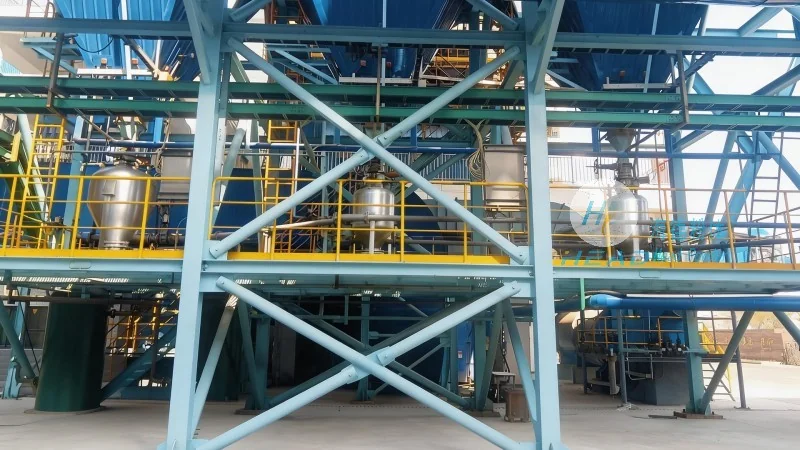
Operation Process of Corundum Pneumatic Conveying Lines
The operation of a corundum pneumatic conveying line follows a systematic process that ensures efficient material transport. The process begins with the loading of corundum powder into the hopper from the storage silo. The feeder then regulates the flow rate, ensuring a steady supply of material into the pipeline. Simultaneously, the air compressor generates compressed air, which is introduced into the pipeline at the inlet. The compressed air creates a flow that propels the corundum particles forward, transporting them to the destination. At the receiving end, the material is discharged into the receiver, where it is collected for further processing or storage. The system continuously monitors parameters such as pressure, flow rate, and temperature to maintain optimal performance and detect any potential issues. This real-time monitoring allows for quick adjustments to ensure the system operates within safe and efficient limits.
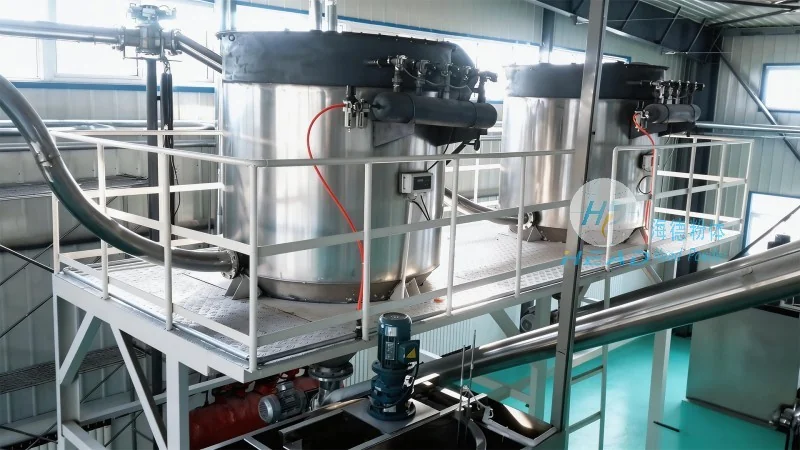
Advantages of Pneumatic Conveying for Corundum Handling
Pneumatic conveying offers several advantages over traditional material handling methods like belt conveyors or bucket elevators. One of the key benefits is the elimination of mechanical parts in direct contact with the material, which reduces wear and tear and extends the lifespan of the equipment. The system is also highly flexible, allowing for changes in the conveying route or distance without significant modifications. Additionally, pneumatic conveying provides better control over dust and particle size, which is crucial for maintaining the quality of corundum products, especially in applications like refractory production where particle size and purity are critical. The system also minimizes the risk of material contamination, as it operates in a closed environment, preventing exposure to external elements.
Customization and Application Flexibility
HeadPowder recognizes that each industrial application has unique requirements, and therefore, offers customized pneumatic conveying solutions tailored to the specific needs of clients. The company's engineering team works closely with clients to assess their production processes, material characteristics, and operational constraints to design the most suitable system. Whether the application involves short-distance transfer within a facility or long-distance pipeline transport, HeadPowder can provide a solution that meets the exact specifications. The company also provides technical support and maintenance services to ensure the system operates at peak efficiency throughout its lifecycle. This comprehensive approach to customer service and product customization has made HeadPowder a preferred choice for businesses handling corundum and other abrasive materials.




