Wood powder pneumatic conveying systems are advanced industrial solutions designed to efficiently transport wood powder materials through a network of pipes using air pressure. These systems are widely used in various industries, including woodworking, paper manufacturing, and biomass processing, due to their ability to handle fine powders with minimal product degradation and high operational efficiency.
Company Overview: Shandong HeadPowder Engineering Co., Ltd.
HeadPowder, a leading provider of pneumatic conveying solutions, is headquartered in Shandong, China. With years of experience in the engineering and manufacturing of industrial conveying systems, the company specializes in customizing wood powder handling equipment to meet the specific needs of clients in the wood processing sector. The company's commitment to quality and innovation has established it as a trusted partner for businesses seeking reliable and efficient material transport solutions.
System Structure and Working Principles
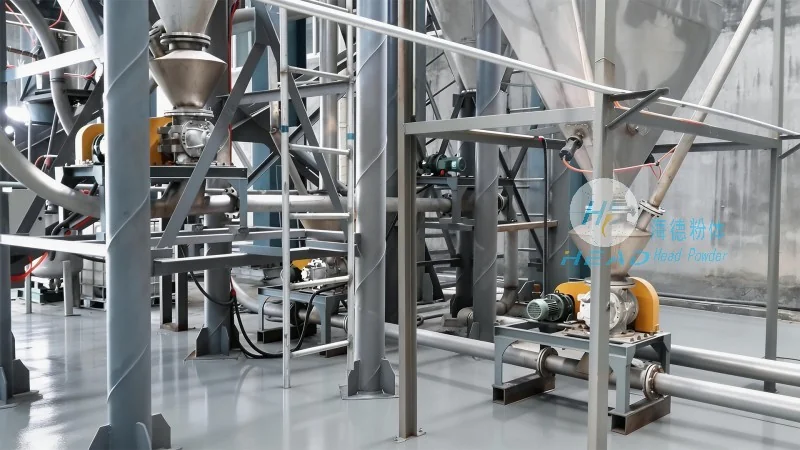
A typical wood powder pneumatic conveying system consists of several key components that work in tandem to ensure smooth material transport. The core components include a material feeder, a conveying line (usually made of stainless steel or other corrosion-resistant materials), a control system, and a dust collection unit. The system operates by introducing air into the conveying line, creating a flow that propels the wood powder particles through the pipe network. The material feeder is responsible for feeding the wood powder into the system at a controlled rate, while the control system regulates the air pressure and flow rate to maintain optimal conveying conditions.
Key Components and Their Functions
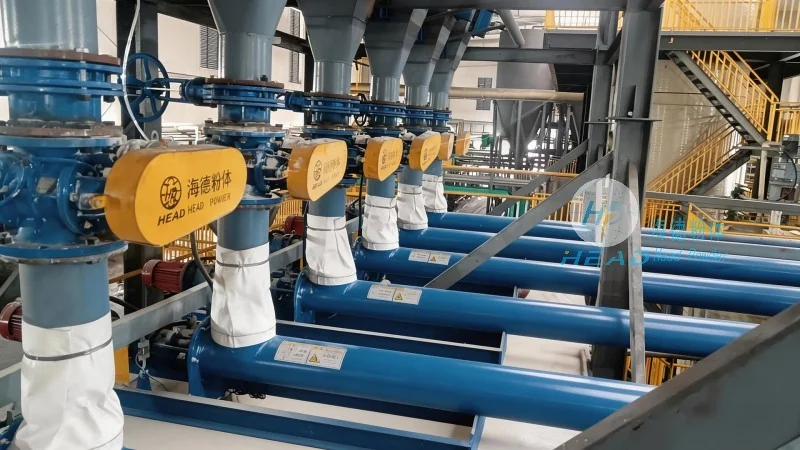
1. Material Feeder: This component is crucial for maintaining a consistent flow of wood powder into the conveying system. It can be a rotary valve, a screw feeder, or a hopper with a metering device, depending on the system design. The feeder ensures that the material is introduced at a controlled rate, preventing blockages and ensuring uniform transport.
2. Conveying Line: The pipe system is typically made of stainless steel or plastic, chosen for its resistance to corrosion and wear from the wood powder. The diameter and length of the line are carefully designed based on the material's properties, such as particle size, density, and moisture content, to ensure efficient transport without excessive pressure drop.
3. Air Supply System: This includes a blower or compressor that generates the necessary air pressure to move the wood powder. The air supply is regulated to maintain a stable pressure, which is critical for consistent conveying performance. The system may also include filters to remove moisture and debris from the air, ensuring clean operation.
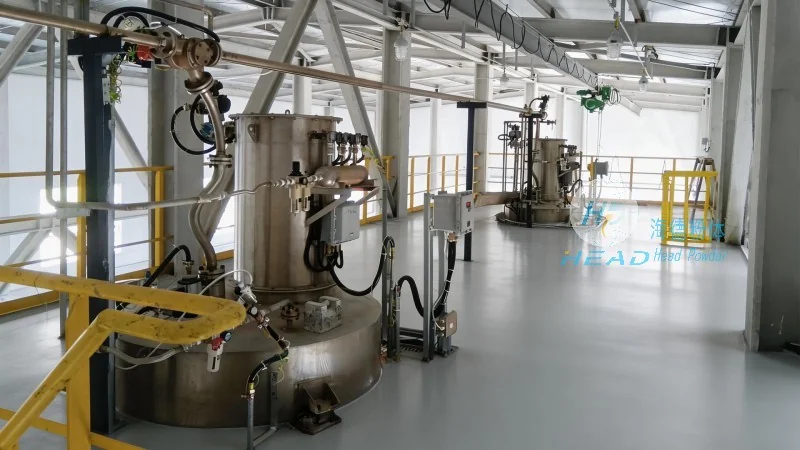
4. Dust Collection and Filtration: To maintain a clean and safe working environment, the system incorporates a dust collection unit. This unit captures any airborne particles and filters them, preventing dust emissions and protecting both the equipment and the surrounding environment.
Working Principle of Pneumatic Conveying
The fundamental principle of pneumatic conveying is the use of air to transport solid particles. In a positive pressure system, the blower forces air into the conveying line, creating a pressure higher than the ambient air. This pressure difference propels the wood powder particles forward. The particles are suspended in the air stream, and the air velocity is maintained above the minimum velocity required to keep the particles airborne, preventing deposition or blockages. The system can operate in either positive or negative pressure modes, depending on the application and material characteristics.
Advantages of Wood Powder Pneumatic Conveying Systems
Wood powder pneumatic conveying systems offer several advantages over traditional mechanical conveying methods. These include:
- Reduced Product Degradation: The enclosed system minimizes exposure to air and moisture, preventing oxidation or clumping of the wood powder, which is essential for maintaining product quality.
- Efficient and Compact: The system uses a network of pipes, which can be installed in a compact space, reducing the footprint compared to traditional bulk handling methods.
- Low Maintenance: With fewer moving parts compared to mechanical conveyors, the pneumatic system requires less maintenance, leading to lower operational costs.
- Versatility: The system can handle a wide range of wood powder types and particle sizes, making it suitable for various applications in the wood processing industry.
Application Examples
Wood powder pneumatic conveying systems are commonly used in applications such as:
- Transporting wood flour from storage silos to processing machines in woodworking plants.
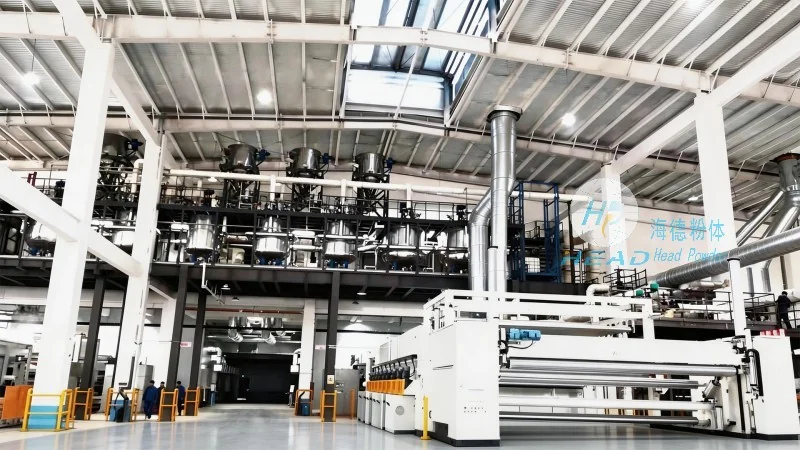
- Conveying wood chips or sawdust from production lines to storage or further processing units.
- Handling fine wood particles in paper mills or biomass energy facilities.
- Moving wood powder for use in composite board manufacturing or other wood-based products.
Customization and Integration
HeadPowder specializes in designing and manufacturing customized pneumatic conveying systems tailored to the specific requirements of each client. The company works closely with clients to understand their material characteristics, production volumes, and operational constraints, ensuring that the final system meets all performance and safety standards. The systems can be integrated with existing production lines or designed as standalone units, providing flexibility and adaptability to different industrial settings.
Conclusion
Wood powder pneumatic conveying systems, as offered by Shandong HeadPowder Engineering Co., Ltd., represent a reliable and efficient solution for handling wood powder materials. By leveraging advanced engineering and material science, these systems provide consistent performance, minimal product degradation, and low maintenance requirements, making them an ideal choice for businesses in the wood processing industry. With a focus on quality and customer satisfaction, HeadPowder continues to innovate and provide cutting-edge solutions to meet the evolving needs of the industry.




