Petroleum coke powder conveying refers to the process of transporting fine petroleum coke particles from one location to another through a system of equipment designed to handle bulk solid materials. This technology is crucial in industrial applications where petroleum coke is used as a raw material or fuel, and efficient transportation is essential for maintaining production efficiency and safety. The design of such conveying systems must consider the unique properties of petroleum coke, including its particle size distribution, density, and flow characteristics, to ensure reliable and consistent operation.
About Shandong HeadPowder Engineering Co., Ltd.
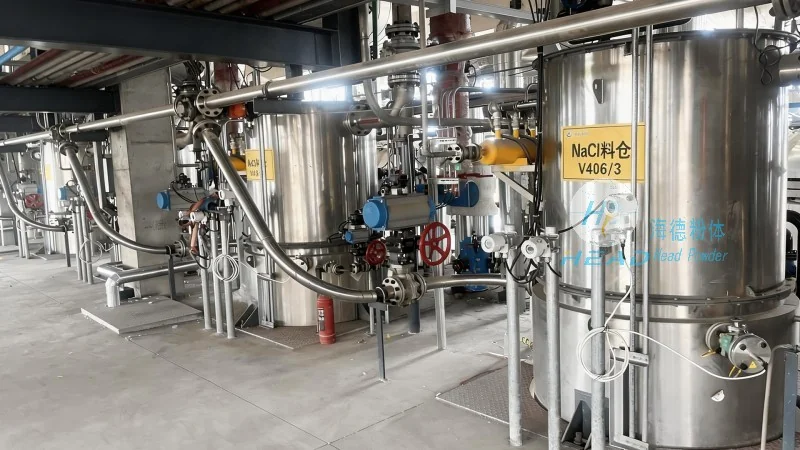
Shandong HeadPowder Engineering Co., Ltd., commonly known as headpowder, is a professional engineering company based in Shandong, China. The company specializes in the design, manufacturing, and installation of bulk material handling systems, with a focus on solutions for challenging materials like petroleum coke. With years of experience in the industry, headpowder has developed expertise in creating customized conveying systems that meet the specific requirements of clients in various sectors, including power generation, steel production, and chemical processing.
Key Design Principles for Petroleum Coke Powder Conveying Systems
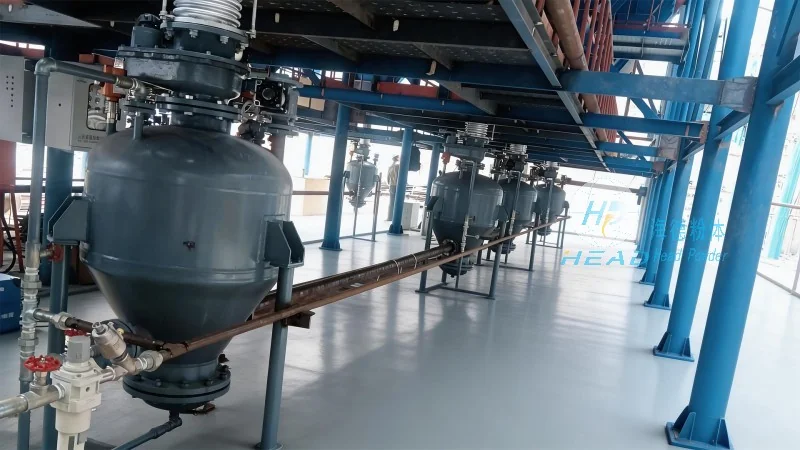
The design of petroleum coke powder conveying systems is guided by several fundamental principles to ensure optimal performance and reliability. First, the system must be capable of handling the specific physical properties of petroleum coke, such as its fine particle size and potential for dust generation. This often involves the use of specialized equipment like screw conveyors, pneumatic conveyors, or pneumatic vacuum systems that can effectively move the material without causing blockages or excessive wear. Second, the design must prioritize safety and environmental compliance. Petroleum coke is a bulk solid that can create dust hazards, so the system typically includes dust collection and control measures to minimize airborne particles and protect both personnel and the environment. Third, the system should be designed for ease of maintenance and operational flexibility. This includes features like easy access to components for cleaning and repair, as well as the ability to adjust conveying rates based on production needs. Fourth, energy efficiency is a critical consideration, as conveying systems can be significant consumers of power. Modern designs incorporate energy-saving technologies, such as variable speed drives and optimized air flow, to reduce operational costs while maintaining performance.
Components of a Typical Petroleum Coke Powder Conveying System
A typical petroleum coke powder conveying system consists of several key components that work together to transport the material from the source to the destination. The primary components include a material feed hopper, which stores and feeds the petroleum coke into the conveying system. The feed hopper is designed to maintain a consistent flow of material and prevent clogging, often equipped with level sensors and feeding mechanisms like rotary valves or screw feeders. Next, the conveying equipment itself, which may be a screw conveyor, pneumatic conveyor, or a combination of both, depending on the application. Screw conveyors are commonly used for horizontal or slight incline transport, utilizing rotating screws to move the material along a trough. Pneumatic conveyors, on the other hand, use air pressure to transport the material through a pipeline, which is particularly effective for fine powders that are difficult to handle with mechanical systems. The system also includes a dust collection system, which captures any airborne particles and returns them to the conveying line or stores them in a collection bin. This system typically includes filters and fans to ensure effective dust removal and compliance with environmental regulations. Additionally, the system may include control panels and monitoring equipment to regulate the conveying rate, monitor pressure and flow, and provide alerts for any issues that may arise during operation.
Applications and Benefits of Petroleum Coke Powder Conveying
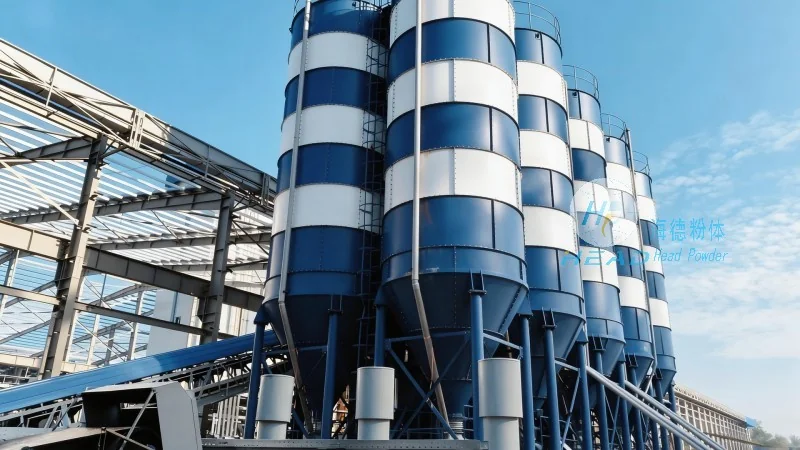
Petroleum coke powder conveying systems are widely used in various industrial applications where petroleum coke is a key component. In the power generation industry, for example, petroleum coke is used as a fuel in boilers, and efficient conveying is essential to ensure a steady supply of fuel to the plant. The systems help maintain consistent fuel levels and prevent interruptions in power production. In the steel industry, petroleum coke is used as a reductant in the production of steel, and conveying systems are used to transport it from storage to the blast furnace. The ability to handle large volumes of petroleum coke efficiently helps improve the overall productivity of steel production. Other applications include the chemical industry, where petroleum coke is used as a raw material in the production of carbon products, and in the production of electrodes for various industrial processes. The benefits of using such systems include improved operational efficiency, reduced labor costs, enhanced safety through minimized dust exposure, and compliance with environmental regulations. By ensuring reliable and consistent material transport, these systems contribute to the overall productivity and profitability of industrial operations.




