Coal ash, a byproduct of coal combustion in power plants and industrial facilities, requires efficient and reliable handling methods for safe disposal and reuse. Pneumatic conveying systems have emerged as a preferred solution for transporting coal ash due to their ability to handle abrasive materials, minimize dust emissions, and maintain operational safety. This article provides an overview of coal ash pneumatic conveying systems, detailing their structural components and working principles, while highlighting the expertise of Shandong HeadPowder Engineering Co., Ltd. in designing and implementing such systems.
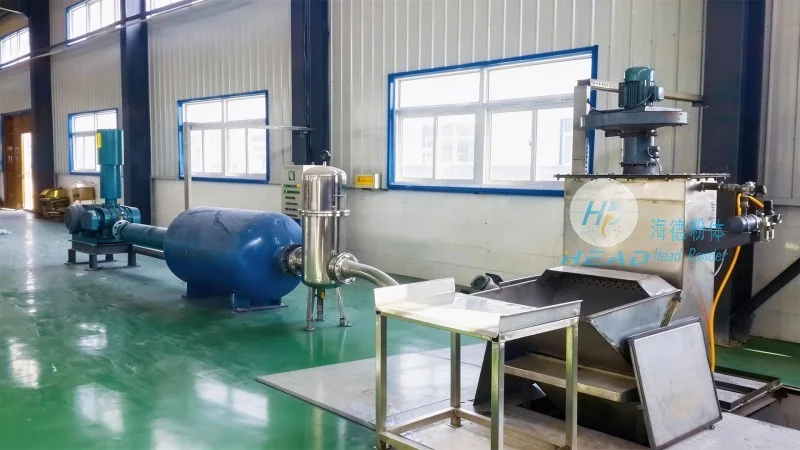
Overview of Coal Ash Pneumatic Conveying Systems
Pneumatic conveying systems utilize air or gas to transport bulk materials like coal ash through a network of pipes. These systems are categorized into two main types: dilute-phase and dense-phase, each offering distinct advantages depending on the material properties and application requirements. Dilute-phase systems, which operate at higher air velocities, are suitable for transporting fine coal ash particles over longer distances, while dense-phase systems use lower air velocities and higher material concentrations, ideal for handling coarser ash or sensitive materials that require gentler transport.
Key Structural Components of Coal Ash Pneumatic Conveying Systems
The core components of a coal ash pneumatic conveying system include the following:
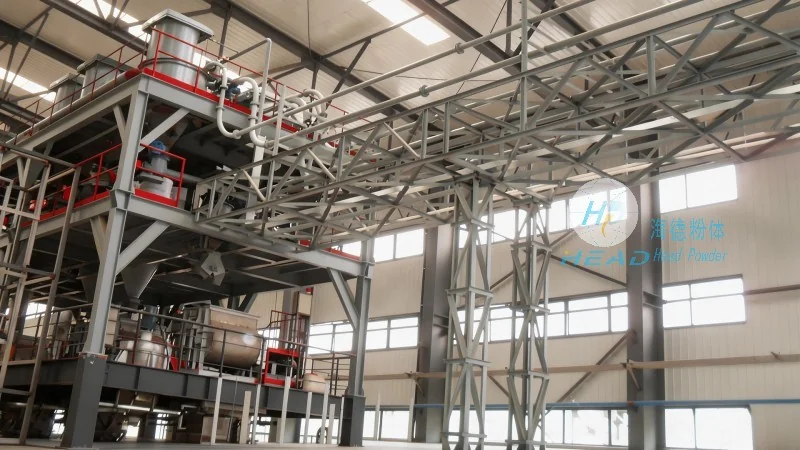
- Feeding Unit: This component is responsible for introducing coal ash into the conveying system. It may consist of a hopper, a rotary valve, or a screw feeder, which ensures a consistent and controlled flow of material into the pipeline.
- Conveying Pipeline: The pipeline network forms the main pathway for transporting coal ash. It is typically made of corrosion-resistant materials such as stainless steel or coated steel to withstand the abrasive nature of coal ash and prevent material buildup.
- Air Supply System: Compressors or blowers generate the necessary air pressure to move the ash particles. The air supply system includes filters to remove contaminants and regulators to maintain consistent pressure levels.
- Separation and Collection Equipment: At the receiving end, cyclones or filters separate the ash from the air stream, allowing the ash to be deposited into a storage silo or container. This step is crucial for maintaining air quality and preventing dust dispersion.
- Control System: An automated control system monitors and regulates the operation of the conveying system, ensuring optimal performance, energy efficiency, and safety. Sensors and controllers adjust air flow, material feed rates, and pressure levels based on real-time conditions.
Working Principles of Coal Ash Pneumatic Conveying
The operation of a coal ash pneumatic conveying system involves several key steps:
- Material Loading: Coal ash is fed from the storage hopper into the feeding unit, where it is metered and introduced into the pipeline.
- Air Injection: Compressed air is introduced into the pipeline at the feeding point, creating a high-velocity air stream that lifts and transports the ash particles.
- Transportation: The ash particles are carried through the pipeline by the air stream, maintaining a dilute or dense phase depending on the system design. The pipeline may include bends, valves, and expansion joints to accommodate changes in direction and pressure.
- Separation: At the discharge end, the air and ash mixture enters a separation unit (e.g., a cyclone). The centrifugal force in the cyclone separates the ash particles from the air, directing the ash to a collection bin and the air to an exhaust filter.
- Discharge: The separated ash is collected in a storage silo or transported to a disposal or reuse facility. The clean air is then released into the environment after filtration.
Advantages of Coal Ash Pneumatic Conveying Systems
Coal ash pneumatic conveying systems offer several advantages over traditional mechanical conveying methods:
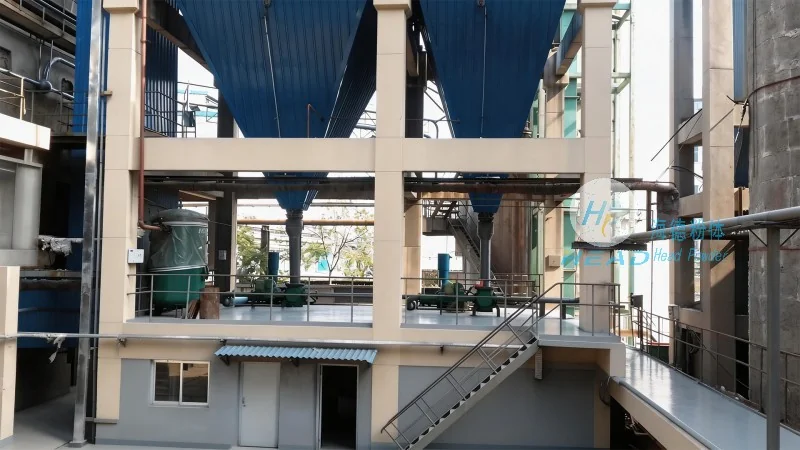
- Reduced Labor and Maintenance: Automated systems minimize manual handling, reducing labor costs and maintenance requirements compared to conveyor belts or bucket elevators.
- Lower Dust Emissions: Enclosed pipelines and efficient filtration systems significantly reduce dust dispersion, improving workplace safety and air quality.
- Flexibility in Layout: Pneumatic systems can be easily integrated into existing plant layouts, allowing for flexible routing of pipelines to accommodate changes in facility design.
- Energy Efficiency: Modern systems use advanced compressors and control strategies to optimize energy consumption, reducing operational costs.
- Ability to Handle Abrasive Materials: The enclosed design protects equipment from wear and tear caused by abrasive coal ash particles, extending the lifespan of components.
Shandong HeadPowder Engineering Co., Ltd.: Expertise in Coal Ash Pneumatic Conveying
Shandong HeadPowder Engineering Co., Ltd., a leading provider of bulk material handling solutions, specializes in designing and manufacturing coal ash pneumatic conveying systems tailored to the specific needs of power plants and industrial facilities. With over 15 years of experience in the field, the company has developed a comprehensive understanding of coal ash properties and the challenges associated with its handling. HeadPowder engineers work closely with clients to assess their operational requirements, material characteristics, and site constraints, ensuring the delivery of customized systems that meet or exceed industry standards.
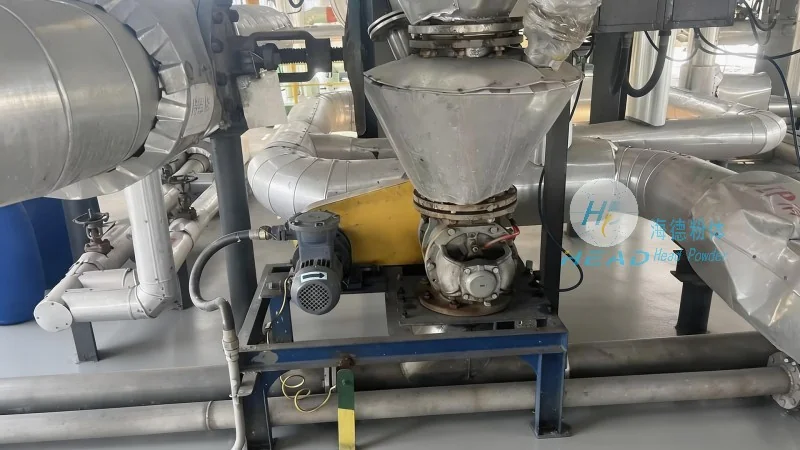
The company’s expertise extends to the integration of advanced control technologies, energy-efficient air compressors, and corrosion-resistant materials, ensuring long-term reliability and performance. HeadPowder’s commitment to quality and customer satisfaction has made it a trusted partner for facilities seeking to improve their coal ash handling processes. By leveraging the company’s technical knowledge and engineering capabilities, clients can achieve efficient, safe, and cost-effective transportation of coal ash, contributing to environmental sustainability and operational efficiency.
Conclusion
Coal ash pneumatic conveying systems represent a sophisticated and effective solution for the transportation of coal ash, offering numerous benefits over traditional methods. The structural components and working principles of these systems are designed to handle the unique challenges posed by coal ash, ensuring reliable and efficient operation. With the expertise of companies like Shandong HeadPowder Engineering Co., Ltd., facilities can implement advanced pneumatic conveying systems that enhance safety, reduce environmental impact, and improve overall operational performance. As the demand for sustainable coal ash management grows, pneumatic conveying systems will continue to play a critical role in the efficient handling of this valuable byproduct.




