HeadPowder, a leading manufacturer based in Shandong, China, specializes in the design and production of advanced pneumatic conveying systems tailored for handling silica powder. This article provides a comprehensive overview of the system's structure and operational principles, highlighting its key components and how they work together to ensure efficient material transport. By understanding these elements, users can appreciate the efficiency and reliability of such systems in industrial applications.
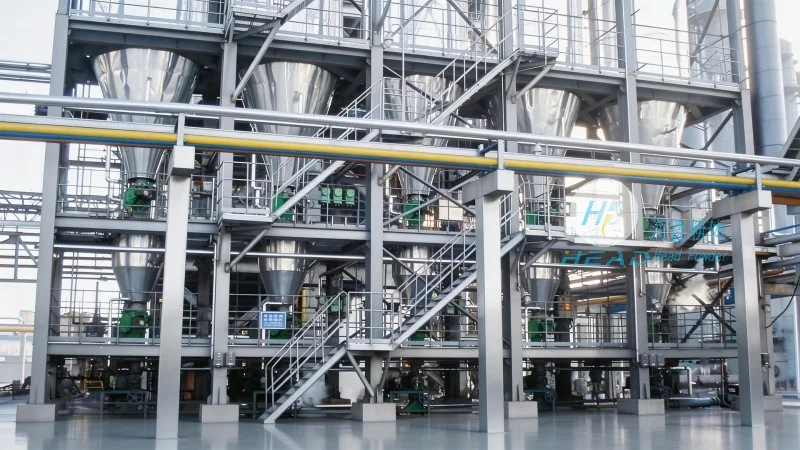
Key Components of the Silica Powder Pneumatic Conveying System
The silica powder pneumatic conveying system consists of several critical components, each playing a vital role in the overall operation. The primary elements include the material feeding unit, the conveying pipeline, the air supply system, the separation and collection equipment, and the control system. Each component is designed to work in harmony to ensure smooth and continuous material transfer.
Material Feeding Unit
The material feeding unit is responsible for introducing silica powder into the conveying system. It typically includes a hopper or a silo that stores the powder, a feeder (such as a rotary valve or a screw feeder) that controls the flow rate, and a connection to the conveying pipeline. The feeder ensures a consistent and controlled feed of the powder, preventing blockages and maintaining system stability. The design of the feeding unit is crucial as it directly impacts the system's performance and the uniformity of the conveyed material.
Conveying Pipeline
The conveying pipeline is the main channel through which silica powder is transported. It is usually made of stainless steel or other corrosion-resistant materials to withstand the abrasive nature of silica powder and the effects of air pressure. The pipeline can be either horizontal or vertical, depending on the layout of the facility. The design of the pipeline, including its diameter, length, and bends, is optimized to minimize pressure drop and ensure efficient material movement. Special attention is paid to the smoothness of the pipeline interior to reduce friction and prevent material accumulation.
Air Supply System
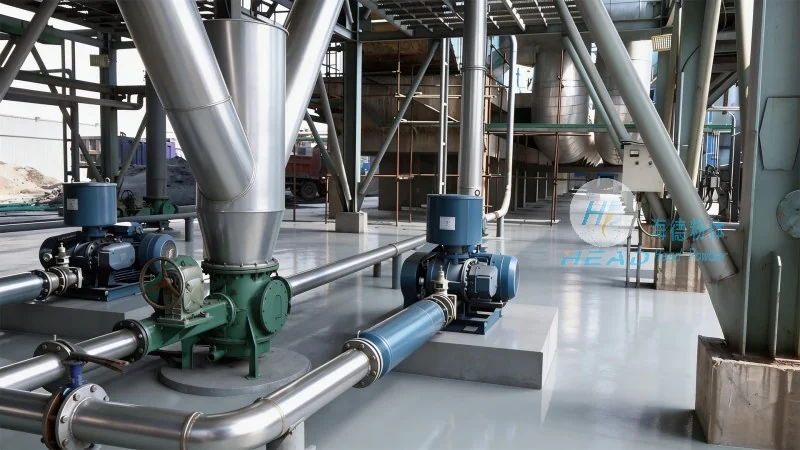
The air supply system provides the necessary airflow to move the silica powder through the pipeline. It typically consists of a blower or a compressor, a filter to remove impurities from the air, and a pressure regulator to maintain the required air pressure. The air supply system is designed to generate sufficient pressure to overcome the resistance in the pipeline and lift the powder particles. The choice of the air supply equipment depends on the system's capacity, the distance of material transport, and the specific characteristics of the silica powder being handled.
Separation and Collection Equipment
At the receiving end of the conveying system, the separation and collection equipment is used to separate the silica powder from the air stream and collect it in a designated container. This unit typically includes a cyclone separator, a bag filter, or a combination of both. The cyclone separator uses centrifugal force to separate the powder from the air, while the bag filter traps fine particles. The collected powder is then discharged into a storage bin or a processing unit. The efficiency of the separation and collection equipment is critical to maintaining the purity of the conveyed material and preventing dust emissions.
Control System
The control system manages the operation of the entire silica powder pneumatic conveying system. It includes sensors to monitor parameters such as pressure, flow rate, and temperature, and a control panel to adjust the settings of the feeding unit, air supply system, and separation equipment. The control system ensures that the system operates within safe and optimal parameters, preventing overloading and maintaining consistent performance. Modern control systems often incorporate automation features, allowing for remote monitoring and adjustment, which enhances operational efficiency and reduces the need for manual intervention.
Working Principles of the Silica Powder Pneumatic Conveying System
The operation of the silica powder pneumatic conveying system is based on the principle of fluidization and suspension of solid particles in a gas stream. When air is supplied at a sufficient pressure and velocity, it creates a flow that lifts and transports the silica powder particles through the pipeline. The powder particles are suspended in the air stream, moving together as a single phase. The system's performance is determined by the balance between the air flow rate and the powder feed rate, ensuring that the particles remain in suspension without settling or clogging the pipeline.
Advantages of Silica Powder Pneumatic Conveying Systems
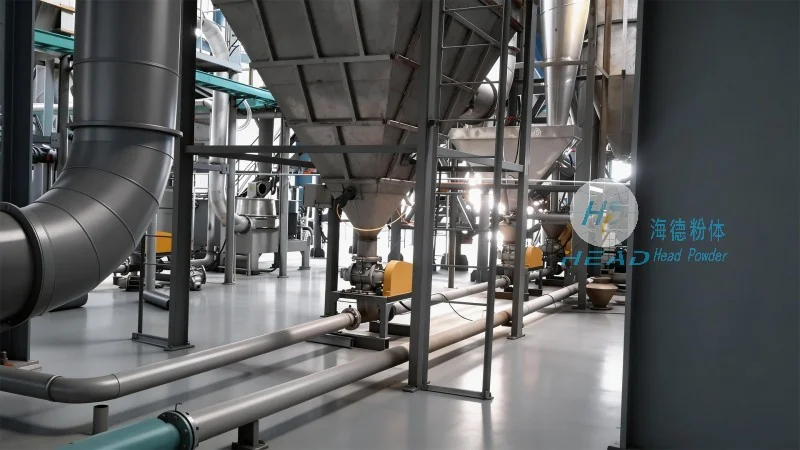
Silica powder pneumatic conveying systems offer several advantages over traditional material handling methods. These include the ability to transport materials over long distances, the elimination of mechanical contact between the material and equipment, and the reduction of dust exposure for operators. The systems are also flexible in terms of layout, as they can be easily integrated into existing production lines. Additionally, pneumatic conveying systems are energy-efficient and can handle a wide range of powder characteristics, making them suitable for various industrial applications.
Applications in Industrial Settings
Silica powder pneumatic conveying systems are widely used in industries such as construction, pharmaceuticals, food processing, and chemical manufacturing. In the construction industry, they are used to transport silica powder for concrete production and other building materials. In the pharmaceutical industry, they are employed to handle silica powder in the production of tablets and capsules, ensuring a clean and dust-free environment. The systems are also utilized in food processing for the transport of silica-based additives and in chemical manufacturing for the handling of various powders. The versatility of the system makes it a valuable asset in many industrial processes.
Conclusion
HeadPowder's silica powder pneumatic conveying systems represent a reliable and efficient solution for material handling in various industrial applications. By understanding the structural components and working principles of these systems, users can make informed decisions about their implementation and operation. The systems' ability to handle silica powder effectively, while maintaining safety and efficiency, makes them a preferred choice for many industries. With continuous advancements in technology, these systems are expected to play an increasingly important role in the future of material handling.




