HeadPowder, a leading provider in the field of material handling and processing, specializes in the design, manufacturing, and implementation of advanced pneumatic conveying systems. This article provides an overview of lithium fluoride pneumatic conveying, detailing its structural principles and operational mechanisms to help users understand the technology's capabilities and applications.
Company Profile and Expertise
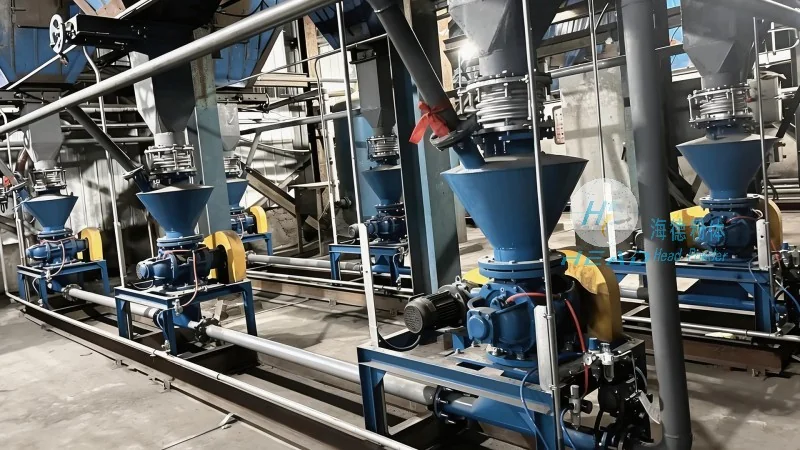
Shandong HeadPowder Engineering Co., Ltd., commonly known as HeadPowder, is a professional enterprise dedicated to the research, development, and production of pneumatic conveying equipment. With a base in Shandong, China, the company leverages years of industry experience to deliver high-quality solutions tailored to the unique needs of various industries. HeadPowder's commitment to innovation and precision engineering ensures that their systems meet stringent performance standards while offering reliable and efficient material transport solutions.
Understanding Lithium Fluoride Pneumatic Conveying
Lithium fluoride (LiF) is a chemical compound widely used in various industrial applications, including nuclear energy, pharmaceuticals, and ceramics. The efficient and safe transport of lithium fluoride is crucial for maintaining production efficiency and ensuring product integrity. Pneumatic conveying offers a non-contact, low-damage method for handling such materials, making it an ideal choice for lithium fluoride transport. This section explores the fundamental concepts and structural components of a lithium fluoride pneumatic conveying system.
Structural Principles of Pneumatic Conveying Systems
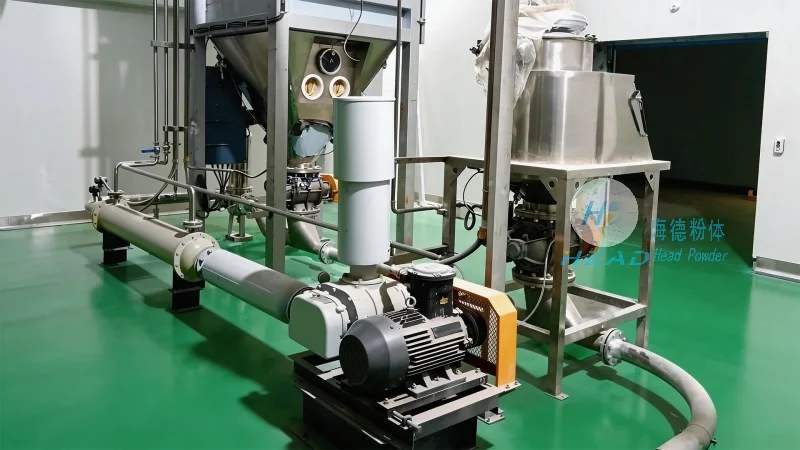
A pneumatic conveying system for lithium fluoride typically consists of several key components that work in tandem to achieve material transport. The primary components include a material feed hopper, a conveying pipeline, a positive displacement or centrifugal blower (air mover), a separation and collection system, and a control unit. Each component plays a critical role in the overall operation:
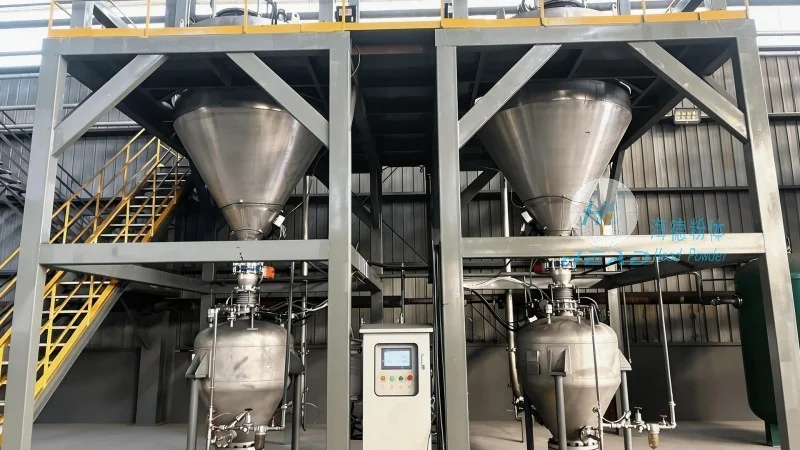
- Material Feed Hopper: This component is responsible for storing and feeding the lithium fluoride material into the conveying system. The hopper is designed to maintain a consistent material level and provide a controlled feed rate to prevent blockages and ensure smooth operation.
- Conveying Pipeline: The pipeline is the main channel through which the material is transported. It is typically made of materials resistant to chemical corrosion, such as stainless steel or specialized plastics, to withstand the effects of lithium fluoride. The pipeline design, including its diameter and length, is optimized to minimize pressure drop and energy consumption while maintaining the material's integrity.
- Air Mover (Blower): The blower is the heart of the pneumatic conveying system, providing the necessary air pressure and flow rate to move the material. Positive displacement blowers, such as rotary lobe or roots blowers, are commonly used for high-pressure applications, while centrifugal blowers are suitable for low to medium pressure systems. The choice of blower depends on the material's characteristics, conveying distance, and system requirements.
- Separation and Collection System: At the receiving end of the pipeline, the separation system separates the conveyed material from the air stream. This is typically achieved using a cyclone separator or a bag filter, which captures the lithium fluoride particles and returns them to a collection bin. The separated air is then discharged or recirculated, depending on the system design.
- Control Unit: The control unit monitors and regulates the operation of the entire system. It includes sensors for pressure, flow rate, and material level, as well as control valves and actuators that adjust the system parameters to maintain optimal performance. Advanced control systems may also include automation features to enhance efficiency and reduce human intervention.
Operational Mechanisms and Advantages
The operation of a lithium fluoride pneumatic conveying system involves the following steps: first, the material is fed from the hopper into the pipeline; second, the blower generates a high-pressure air stream that propels the material through the pipeline; third, the material is separated from the air at the receiving end and collected; and fourth, the air is either vented or recirculated. This process is continuous and can be adjusted to handle varying material volumes and conveying distances.
Compared to traditional mechanical conveying methods, pneumatic conveying offers several advantages for lithium fluoride transport. These include:
- Non-Contact Handling: Since the material is conveyed without physical contact with the conveying equipment, there is minimal risk of contamination or damage to the lithium fluoride particles.
- Low Maintenance: Pneumatic systems have fewer moving parts compared to mechanical conveyors, resulting in lower maintenance costs and longer service life.
- Flexibility: The system can be easily modified or expanded to accommodate changes in production requirements or material handling needs.
- Energy Efficiency: Modern pneumatic conveying systems are designed to be energy-efficient, reducing operational costs while maintaining high performance.
Applications and Industry Impact
Lithium fluoride pneumatic conveying systems are widely used in various industries due to their ability to handle sensitive materials efficiently. Some common applications include:




