Carbide powder pneumatic conveying systems are essential in industrial applications for the efficient transport of calcium carbide powder. This technology involves the use of air or other gases to move the powder material through a pipeline system. Understanding the structure and operational principles of such systems is crucial for optimizing performance and ensuring safety in handling reactive materials like carbide powder.
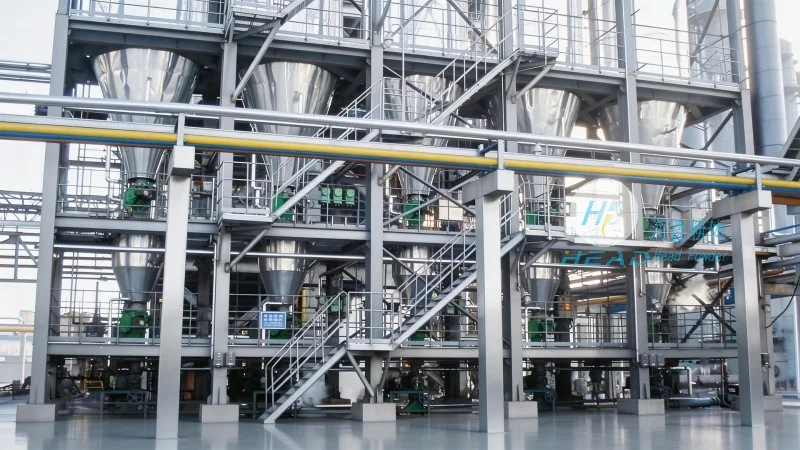
Key Components of Carbide Powder Pneumatic Conveying Systems
The core components of a carbide powder pneumatic conveying system typically include a material hopper, a feeder, a conveying line, a receiver, and a dust collection system. The material hopper stores the carbide powder and provides a consistent feed to the feeder. The feeder, often a rotary valve or a screw feeder, controls the flow rate of the powder into the conveying line. The conveying line, usually made of stainless steel or other corrosion-resistant materials, transports the powder mixture with air. The receiver collects the conveyed powder and may include a silo or storage tank. A dust collection system, such as a baghouse or cyclone, removes fine particles from the exhaust air to prevent contamination and ensure environmental compliance.
Working Principle of Pneumatic Conveying for Carbide Powder
The operation of a carbide powder pneumatic conveying system relies on the principle of fluidization and suspension. Air is introduced into the conveying line at a controlled velocity, creating a flow that lifts and transports the powder particles. The velocity must be sufficient to overcome the gravitational force acting on the powder and maintain the particles in a suspended state. The system can operate in either positive pressure or negative pressure modes. In positive pressure systems, air is forced through the conveying line, pushing the powder from the hopper to the receiver. In negative pressure systems, air is drawn out of the receiver, creating a vacuum that pulls the powder from the hopper. The choice between these modes depends on factors like the distance of transport, the material's properties, and the need for containment.
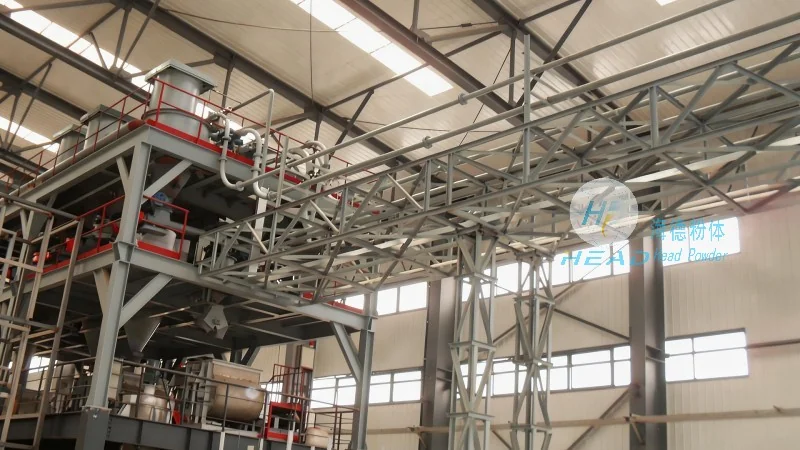
Design Considerations for Handling Reactive Carbide Powder
When designing a pneumatic conveying system for carbide powder, several factors must be considered to ensure safety and efficiency. Carbide powder is reactive and can generate heat or release gases upon contact with moisture or air. Therefore, the system must be constructed from materials that are resistant to corrosion and chemical reactions, such as stainless steel or special alloys. The system should also include explosion-proof components and proper ventilation to prevent the accumulation of flammable vapors. Additionally, the feeding mechanism must be designed to minimize the generation of dust and prevent blockages, as carbide powder can be abrasive and prone to caking. Proper sealing and maintenance are critical to maintain the integrity of the system and prevent leaks that could lead to safety hazards.
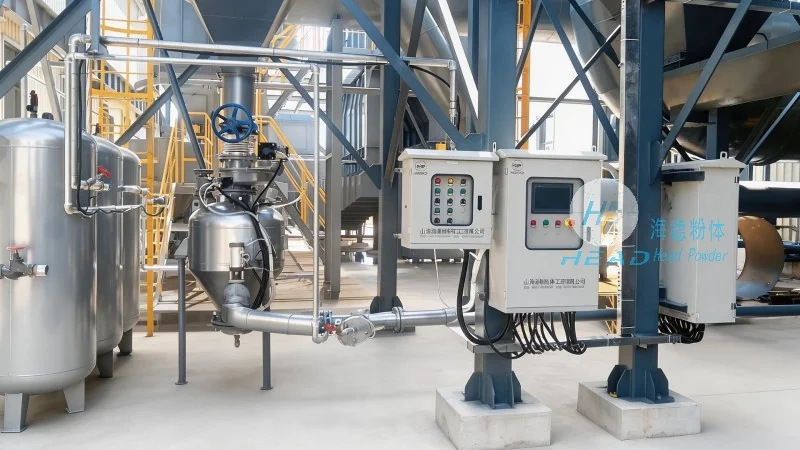
Applications and Benefits of Carbide Powder Pneumatic Conveying
Carbide powder pneumatic conveying systems are widely used in various industrial sectors, including chemical manufacturing, metallurgy, and material processing. The benefits of this technology include high transport efficiency, reduced labor costs, and improved safety compared to manual handling. The system can transport carbide powder over long distances with minimal loss and degradation. It also allows for precise control of the powder flow rate, which is essential for processes that require consistent material input. Furthermore, the enclosed system helps to prevent dust pollution and environmental contamination, making it a more sustainable option for handling reactive materials.
Company Overview: Shandong HeadPowder Engineering Co., Ltd.
Shandong HeadPowder Engineering Co., Ltd., operating under the brand name headpowder, specializes in the design, manufacturing, and installation of pneumatic conveying systems for various industrial applications. With a focus on quality and innovation, the company provides customized solutions tailored to the specific needs of its clients. The company's facilities are located in Shandong, China, where it leverages advanced technology and experienced engineering teams to deliver reliable and efficient conveying systems. By adhering to international standards and maintaining rigorous quality control processes, headpowder ensures that its products meet the highest industry requirements and provide long-term performance and durability.




