When discussing material handling and processing technologies, the concept of sponge sand pneumatic conveying emerges as a specialized solution for transporting granular materials efficiently. This method, often employed in industrial settings, leverages air pressure to move materials through a system of pipes and components. The term "sponge sand" typically refers to a type of lightweight, porous material used in various applications, such as foundry sand, construction aggregates, or specialized industrial powders. The pneumatic conveying system is designed to handle such materials with precision and minimal disruption, ensuring that the material's properties are preserved during transport.
Understanding the Core Design Principles
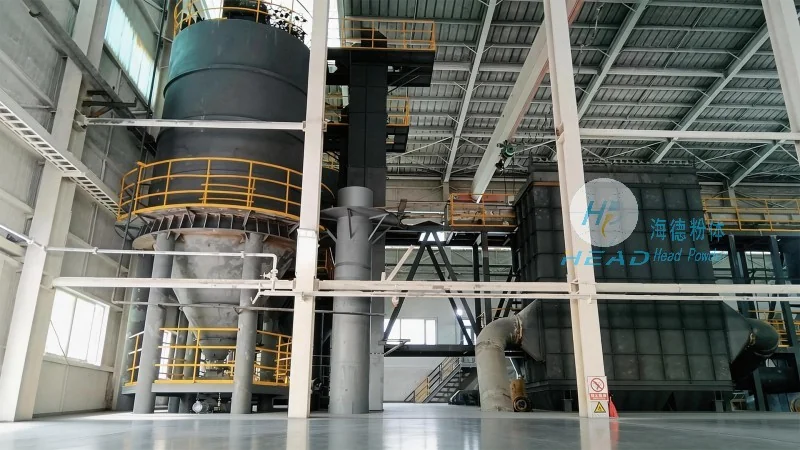
The design principles of a sponge sand pneumatic conveying system are centered on creating a controlled flow of air and material. The system operates by generating a vacuum or pressure differential that draws the sponge sand particles into a transport line. Key design elements include the selection of appropriate air velocities, which must be optimized to prevent particle degradation or clogging. The configuration of the conveying line, including the use of straight sections, bends, and elbows, is critical for maintaining consistent flow and minimizing pressure losses. Additionally, the system incorporates components such as material feeders, which control the rate of material discharge, and airlocks, which prevent backflow and maintain system integrity. The design process involves careful analysis of the material's characteristics, such as particle size, density, and moisture content, to ensure that the system is tailored to the specific application.
Key Components and Operational Mechanics
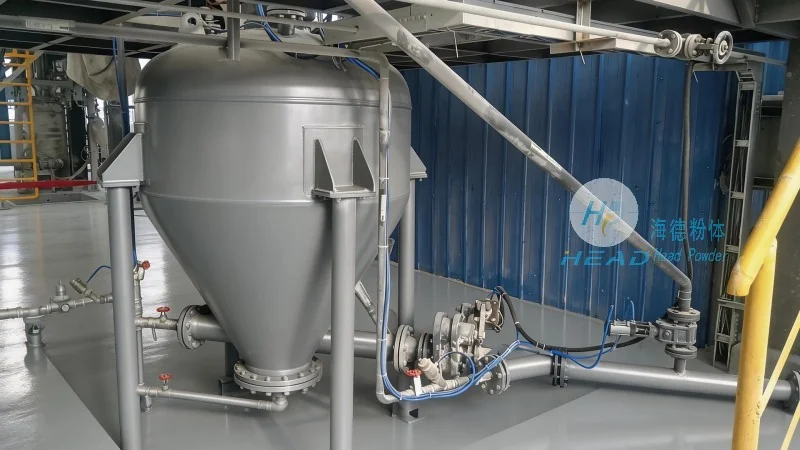
At the heart of a sponge sand pneumatic conveying system are several critical components. The primary components include the material feed hopper, which holds the sponge sand and allows for controlled discharge into the system. The air compressor or blower provides the necessary pressure or vacuum to move the material. The conveying line, often made of stainless steel or other corrosion-resistant materials, is designed to withstand the abrasive nature of the sponge sand. Additionally, the system may incorporate cyclone separators, which use centrifugal force to separate the material from the air stream, and filters to capture any fine particles and prevent contamination. The design of these components is crucial for maintaining system efficiency and longevity. For example, the cyclone separator is typically designed with a specific cut size to ensure that the majority of the sponge sand particles are collected, while the air is discharged to the atmosphere or recirculated. The filter, often a baghouse or cartridge filter, is essential for maintaining air quality and complying with environmental regulations.
Application Scenarios and Benefits
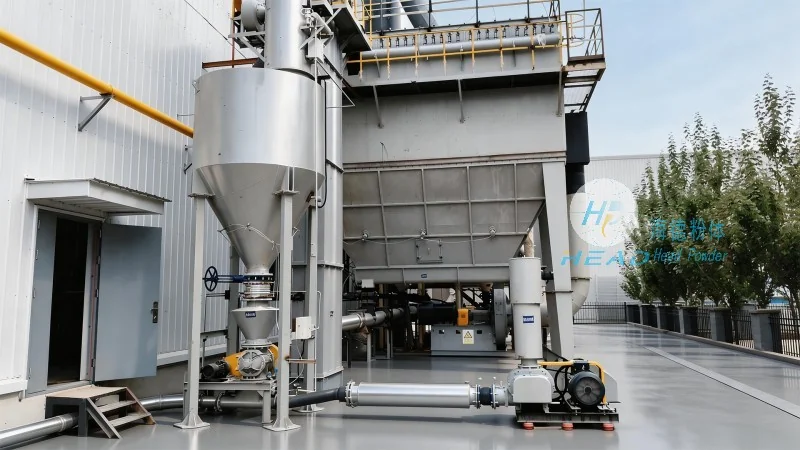
Sponge sand pneumatic conveying is widely used in industries such as foundries, construction, and manufacturing. In foundries, for example, it is used to transport sand for mold making, where the lightweight and porous nature of the material is advantageous. The system's ability to handle large volumes of material with minimal labor makes it a preferred choice for high-throughput operations. Additionally, the design allows for easy integration with existing production lines, reducing downtime and improving overall productivity. In construction, the system is used to transport aggregates or sand for concrete mixing, where the consistent flow of material is critical for maintaining quality. The benefits of this technology include reduced material handling costs, improved safety (as there is no need for manual handling of heavy loads), and enhanced process control. Furthermore, the system's ability to handle dusty or hazardous materials in a contained environment reduces the risk of exposure to workers and the environment. For instance, in foundries, the pneumatic conveying system can transport sand from storage silos to molding machines without the need for manual shoveling, which not only saves time but also reduces the risk of dust inhalation and material spillage. Similarly, in construction sites, the system can deliver sand and aggregates directly to mixing trucks, ensuring a consistent supply and reducing the need for manual loading, which improves efficiency and worker safety.




