HeadPowder, a leading manufacturer based in Shandong, China, specializes in the design and production of advanced pneumatic conveying systems tailored for handling gypsum putty materials. These systems are engineered to efficiently transport bulk materials like gypsum putty from storage silos to processing or packaging areas, ensuring smooth and reliable operation in construction material production lines.
Components and Structure of the Pneumatic Conveying Line
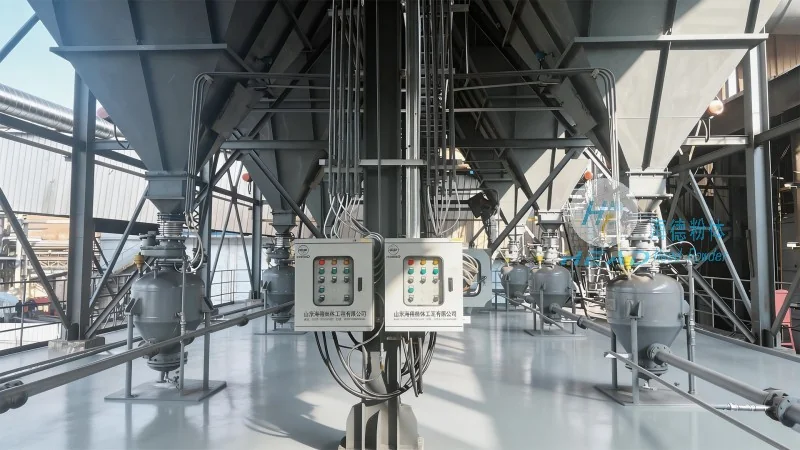
The gypsum putty material pneumatic conveying line typically consists of several key components, each playing a crucial role in the overall system. The main components include the material hopper, which stores the gypsum putty; a rotary valve or feeder that controls the material flow; the conveying pipeline, which may be made of stainless steel or other corrosion-resistant materials to handle the putty's properties; a series of pressure vessels or receivers that collect the material at the destination; and a blower or air compressor that generates the air pressure needed for conveying. Additionally, the system may incorporate filters and dust collectors to ensure air quality and prevent material loss.
Working Principle of the Pneumatic Conveying Process
The operation of the gypsum putty material pneumatic conveying line is based on the principle of air suspension, where the material is suspended in a stream of air and transported through the pipeline. The process begins when the rotary valve or feeder opens, allowing a controlled amount of gypsum putty to enter the conveying pipeline. Simultaneously, the blower or air compressor starts, generating a high-pressure air flow that moves through the pipeline. As the air flows, it lifts and suspends the gypsum putty particles, creating a dense phase or dilute phase conveying system depending on the system design and material characteristics. The material is then carried to the receiving hopper or processing unit at the end of the line. The air, now mixed with the material, passes through filters and dust collectors to remove any fine particles before being discharged or recycled back into the system.
Operation Process: From Material Loading to Delivery
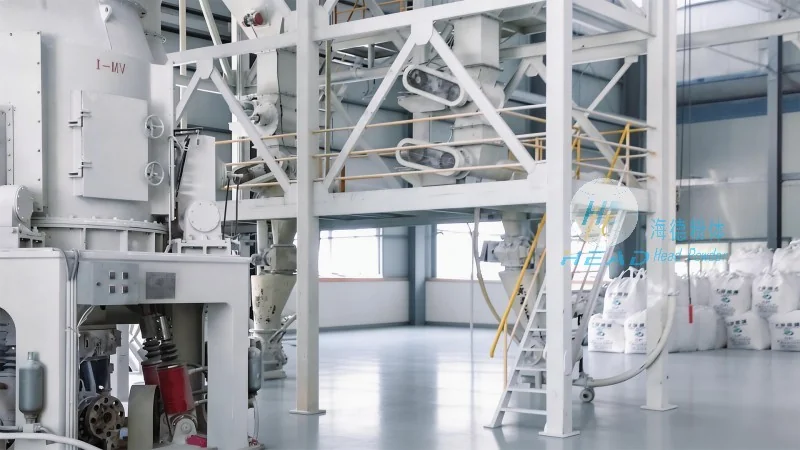
The operational process of the gypsum putty material pneumatic conveying line involves several sequential steps to ensure efficient and continuous material transport. First, the gypsum putty is loaded into the storage hopper from bulk trucks or other storage containers. The material is then fed into the conveying system via the rotary valve, which regulates the flow rate to match the production demand. The blower or air compressor provides the necessary air pressure, typically ranging from 0.5 to 1.5 bar, depending on the pipeline length and material characteristics. As the material is conveyed, the system monitors pressure and flow rates to maintain optimal performance. At the receiving end, the material is deposited into the processing hopper or packaging machine, completing the transport cycle. The system may also include automatic control systems that adjust the flow rate based on real-time demand, ensuring energy efficiency and preventing material blockages.
Advantages of Using Pneumatic Conveying for Gypsum Putty
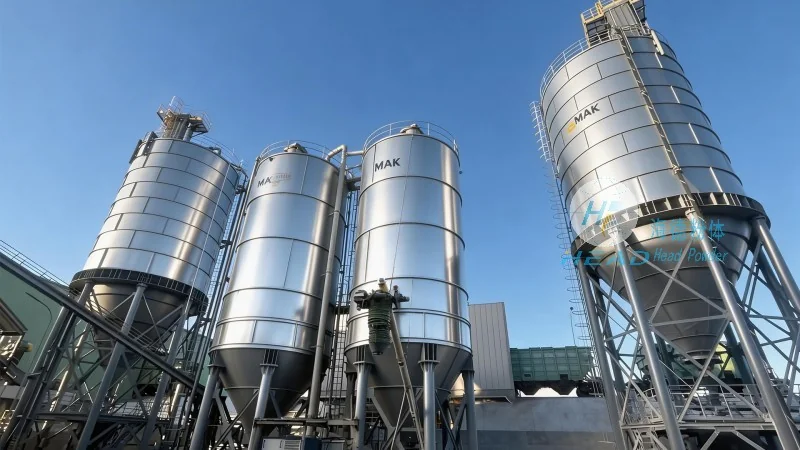
Employing a pneumatic conveying line for gypsum putty offers several advantages over traditional mechanical conveying methods. Firstly, it provides a dust-free and hygienic environment, which is crucial for maintaining the quality of construction materials. The enclosed system prevents material contamination and reduces the risk of dust exposure for operators. Secondly, pneumatic conveying systems are highly flexible, allowing for easy reconfiguration of the pipeline layout to accommodate changes in production processes or facility expansions. Thirdly, these systems offer high material handling capacity, capable of transporting large volumes of gypsum putty at a consistent rate, which improves overall production efficiency. Additionally, the system's ability to handle both dilute and dense phase conveying enables optimization of energy consumption and material transport speed, leading to cost savings over time.
Maintenance and Safety Considerations
To ensure the reliable and long-term operation of the gypsum putty material pneumatic conveying line, regular maintenance and adherence to safety protocols are essential. Regular inspections should be conducted on all components, including the hopper, rotary valve, pipeline, and blower, to check for wear and tear or damage. The filters and dust collectors should be cleaned or replaced as needed to maintain air quality and prevent blockages. The system's control systems should be calibrated regularly to ensure accurate flow rate and pressure control. Safety considerations include proper grounding of electrical components, use of explosion-proof equipment in potentially hazardous environments, and implementation of emergency stop mechanisms. Additionally, operators should be trained on the proper operation and maintenance of the system to prevent accidents and ensure compliance with safety regulations.




