

Introduction to the Structure and Working Principle of Coke Particle Pneumatic Conveying Equipment
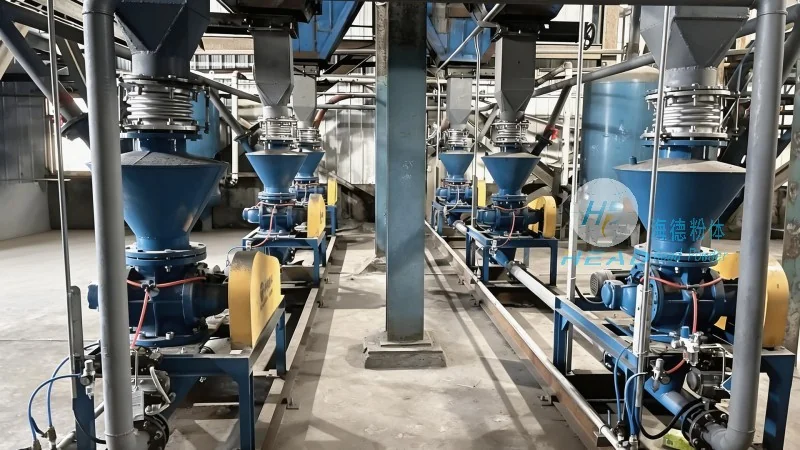
For industrial applications involving the transport of coke particles, the coke particle pneumatic conveying equipment from Shandong HeadPowder Engineering Co., Ltd. (commonly known as headpowder) offers a reliable and efficient solution. This equipment is designed to handle the unique challenges associated with coke particle characteristics, ensuring smooth and consistent material transfer. The following sections provide an overview of the equipment's structure, working principles, and key features.
Company Background and Expertise
Shandong HeadPowder Engineering Co., Ltd., based in Shandong, China, is a leading manufacturer specializing in pneumatic conveying systems. With years of experience in the industry, headpowder has developed a reputation for producing high-quality, durable equipment tailored to the specific needs of various industrial sectors. The company's commitment to innovation and customer satisfaction has positioned it as a trusted partner for businesses requiring efficient material handling solutions.
Overview of Coke Particle Pneumatic Conveying Equipment
The coke particle pneumatic conveying system is engineered to transport coke particles through a pipeline using air or other gas as the conveying medium. This method eliminates the need for mechanical components like belts or buckets, reducing maintenance requirements and operational costs. The system is particularly suitable for applications where the material is abrasive or has a tendency to cause blockages in traditional conveyor systems.
Key Structural Components
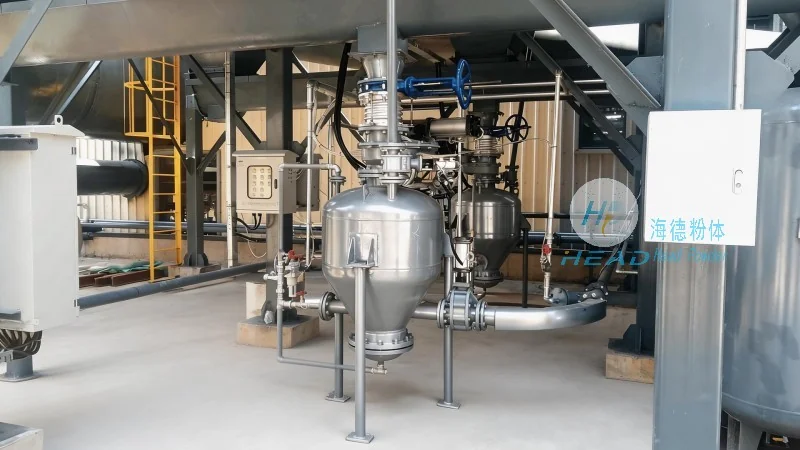
The coke particle pneumatic conveying equipment consists of several critical components that work in tandem to achieve effective material transport. These components include:
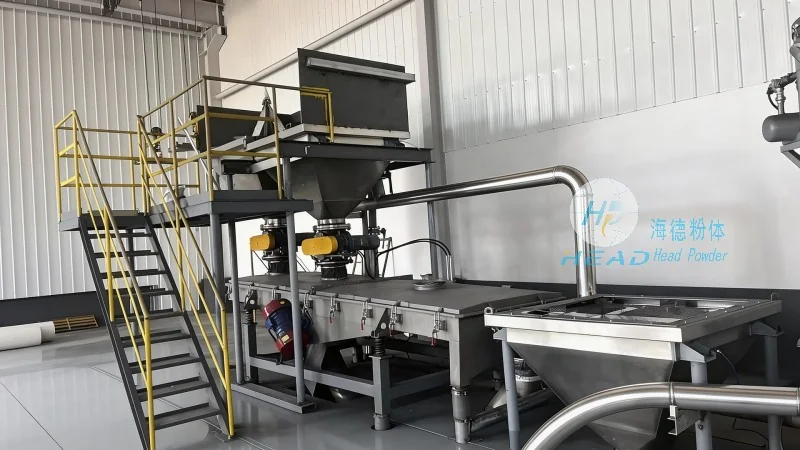
- Feeding System: This component is responsible for introducing coke particles into the conveying line. It typically features a hopper or a rotary valve that controls the flow rate of the material, ensuring a consistent feed to the system.
- Pneumatic Conveying Line: The main pipeline through which the coke particles are transported. The line is usually made of durable materials such as stainless steel or special alloys to withstand the abrasive nature of coke particles and the pressure of the conveying air.
- Air Supply System: This system generates and regulates the airflow required to move the particles. It includes a blower or compressor, air filters, and pressure regulators to maintain optimal operating conditions.
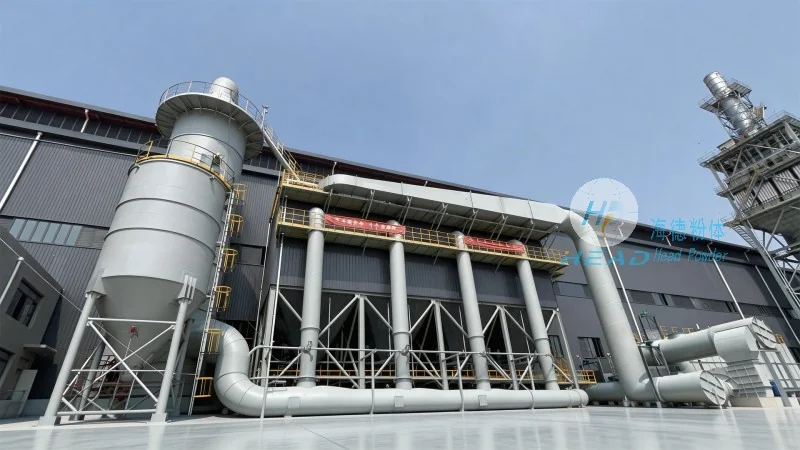
- Separation and Collection System: At the receiving end of the pipeline, this component separates the coke particles from the air stream. It typically consists of a cyclone separator or a bag filter, which collects the particles and returns them to the process or storage area.
Working Principle of the Equipment
The operation of the coke particle pneumatic conveying equipment is based on the principle of fluidization and pneumatic transport. When air is introduced into the conveying line at a sufficient velocity, it creates a low-pressure zone that draws the coke particles into the pipeline. The particles are then suspended and carried along the pipeline by the air stream. The separation system at the end of the line uses centrifugal force or filtration to separate the particles from the air, allowing the air to be recirculated or discharged while the particles are collected.
Advantages of Using Coke Particle Pneumatic Conveying Equipment
Implementing a coke particle pneumatic conveying system offers several advantages over traditional mechanical conveyors. These include:
- Reduced Maintenance: With no moving parts in direct contact with the material, the system requires less maintenance and has a longer service life.
- Improved Efficiency: The ability to transport materials over long distances with minimal energy consumption makes it highly efficient.
- Enhanced Safety: The enclosed pipeline design prevents dust emissions and reduces the risk of fire or explosion, especially important when handling coke particles.
- Flexibility: The system can be easily adapted to different process requirements, including changes in material flow rates or pipeline layout.
Applications and Industrial Use Cases
The coke particle pneumatic conveying equipment is widely used in various industrial applications, including:
- Steel Production: Transporting coke from storage to blast furnaces or other processing units.
- Cement Manufacturing: Handling coke as a fuel source or raw material in the production process.
- Power Generation: Conveying coke to power plants for combustion in boilers.
- Chemical Processing: Moving coke particles in chemical plants for various industrial processes.
Conclusion
Shandong HeadPowder Engineering Co., Ltd. provides a robust and reliable coke particle pneumatic conveying equipment that addresses the specific needs of industrial applications. By understanding the structure and working principles of this equipment, businesses can make informed decisions about implementing efficient material handling solutions. The company's expertise and commitment to quality ensure that customers receive a product that meets their operational requirements and enhances overall productivity.