Wood powder pneumatic conveying systems are essential for efficient material handling in various industrial applications. These systems are designed to transport wood powder through a pipeline using air pressure, offering a reliable and flexible solution for moving bulk materials. The equipment typically includes components such as a hopper, feeder, air compressor, and pipeline, all working in tandem to ensure smooth and continuous operation. For industries dealing with wood powder, such as woodworking, paper manufacturing, or biomass energy production, these systems enhance productivity and reduce labor costs by automating the material transport process.
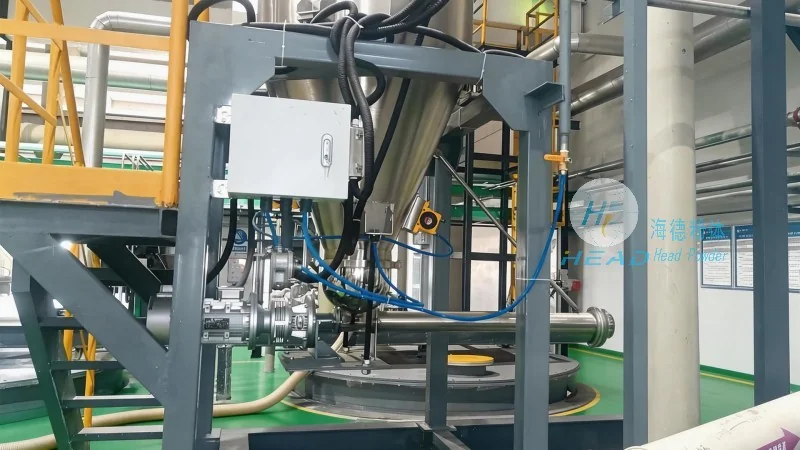
Structural Principles of the Pneumatic Conveying System
The core structural principle of a wood powder pneumatic conveying system revolves around the use of air as the conveying medium. The system operates by creating a pressure differential between the hopper and the discharge point. When the feeder introduces wood powder into the system, the air compressor generates high-pressure air that propels the powder particles through the pipeline. The design of the hopper and feeder ensures consistent material flow, while the pipeline layout minimizes pressure losses and maintains the integrity of the wood powder. Key components include the hopper, which stores the wood powder; the rotary valve or screw feeder, which controls the material discharge rate; the air compressor, which supplies the necessary air pressure; and the pipeline network, which transports the material to the destination. The system's efficiency depends on the proper sizing of these components and the optimization of air flow rates to prevent blockages or degradation of the wood powder.
Key Components and Their Functions
Each component of the wood powder pneumatic conveying system plays a critical role in its overall performance. The hopper serves as the storage vessel, providing a large capacity to hold the wood powder and ensuring a steady supply to the feeder. The feeder, often a rotary valve or screw feeder, regulates the flow rate of the wood powder into the system, preventing overloading and maintaining consistent pressure. The air compressor is the heart of the system, generating the required air pressure to move the powder through the pipeline. It must be capable of delivering sufficient air volume and pressure to overcome the resistance in the pipeline and the weight of the wood powder. The pipeline network connects all components and transports the material from the hopper to the discharge point. The pipeline is typically made of materials resistant to wood powder, such as stainless steel or PVC, to prevent corrosion and material buildup. Additionally, the system may include filters and cyclones to separate the air from the powder at the discharge point, ensuring clean air is released and the powder is collected efficiently.
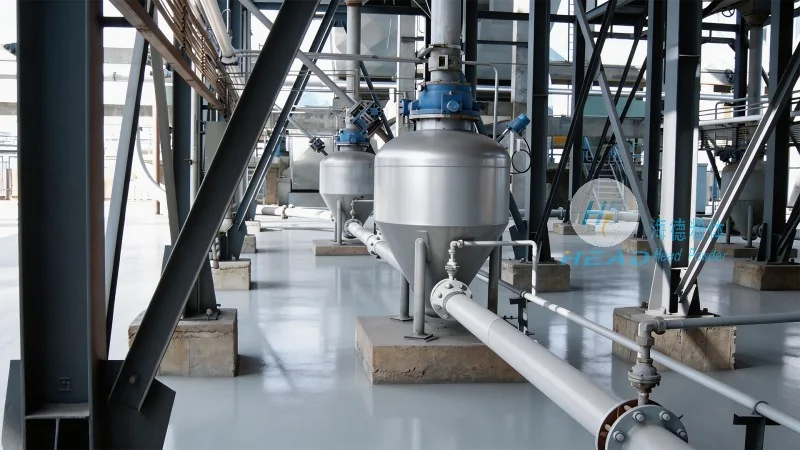
Advantages of Using Wood Powder Pneumatic Conveying Systems
Implementing a wood powder pneumatic conveying system offers several advantages over traditional material handling methods. First, it provides a dust-free and clean operation, which is crucial for maintaining a safe and healthy work environment, especially in industries where wood powder can cause respiratory issues. Second, the system enhances productivity by automating the material transport process, reducing the need for manual handling and minimizing downtime. Third, it offers flexibility in pipeline layout, allowing for easy reconfiguration or expansion of the system as production needs change. Fourth, the system reduces material loss and contamination, as the powder is contained within the pipeline and handled in a controlled manner. Finally, it improves energy efficiency by using air pressure to move the material, which is often more cost-effective than mechanical conveyors in certain applications. These advantages make wood powder pneumatic conveying systems a preferred choice for many industries dealing with wood powder.
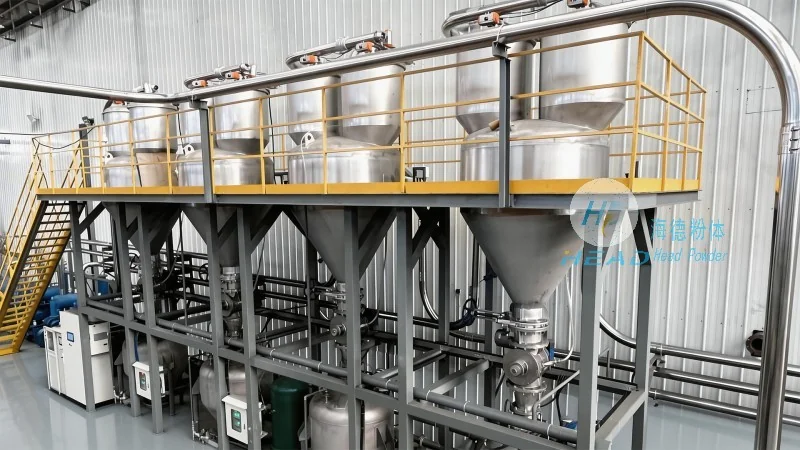
Application Scenarios and Industry Use Cases
Wood powder pneumatic conveying systems are widely used in various industries that process wood powder. In the woodworking industry, these systems are used to transport wood flour from storage to processing machines, ensuring a continuous supply of material for production. In paper manufacturing, they help move wood pulp or wood powder to the papermaking machines, improving the efficiency of the production line. In biomass energy production, the systems are used to transport wood pellets or powder to the combustion or gasification units, facilitating the generation of energy from wood waste. Additionally, in the chemical and pharmaceutical industries, where wood powder is used as a raw material, these systems ensure safe and efficient transport, minimizing the risk of contamination and accidents. The versatility of the wood powder pneumatic conveying system makes it suitable for a wide range of applications, from small-scale operations to large industrial plants.
Maintenance and Operational Considerations
Proper maintenance is essential to ensure the longevity and efficiency of a wood powder pneumatic conveying system. Regular cleaning of the hopper, feeder, and pipeline is necessary to prevent material buildup and blockages. The air compressor should be checked regularly for proper operation and maintenance, including oil changes and filter replacements. The filters and cyclones at the discharge point should be cleaned or replaced as needed to maintain air quality and prevent dust accumulation. Operational considerations include monitoring the system's pressure and flow rates to detect any issues early. It is also important to train operators on the proper use and maintenance of the system to ensure safe and efficient operation. By following these maintenance and operational guidelines, the system can operate at optimal performance, reducing downtime and maintenance costs.




