Alumina powder, a critical material in various industrial applications, requires efficient and reliable handling systems to ensure optimal performance and safety. The alumina powder pneumatic conveying machine, developed by Shandong HeadPowder Engineering Co., Ltd. based in Shandong, China, addresses these needs through a sophisticated design that combines advanced engineering principles with practical application requirements. This equipment is engineered to handle alumina powder in a manner that minimizes material degradation, ensures consistent flow, and maintains operational efficiency.
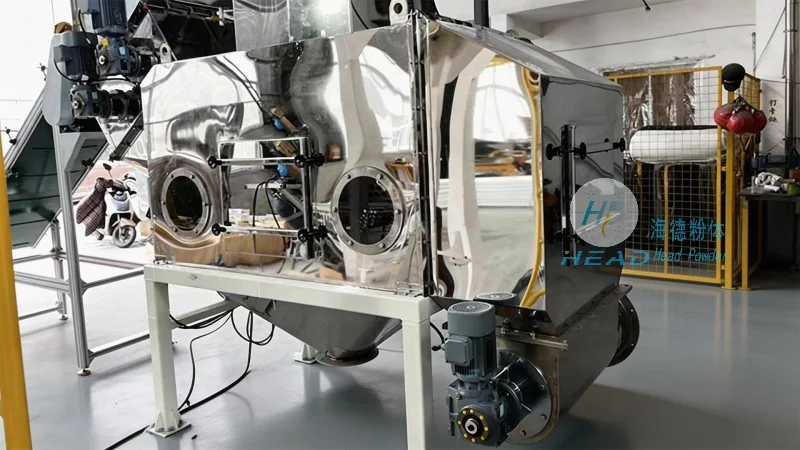
Key Structural Components of the Pneumatic Conveying System
The alumina powder pneumatic conveying machine consists of several integral components that work in tandem to achieve effective material transport. At the core of the system is the conveying pipeline, which serves as the main channel for transporting the alumina powder. This pipeline is typically made from materials resistant to corrosion and abrasion, such as stainless steel or specialized polymers, to withstand the harsh conditions associated with alumina powder handling. The pipeline is equipped with various fittings, including elbows, tees, and bends, which are strategically positioned to guide the powder flow and maintain system integrity.
Another critical component is the air supply system, which generates the necessary airflow to move the alumina powder through the pipeline. This system includes a blower or compressor that provides the required pressure and volume of air. The air supply is often regulated by a control valve to adjust the flow rate and pressure, allowing for precise control over the conveying process. Additionally, the system may incorporate a filter and separator to remove any particulate matter from the air, ensuring that the conveyed powder remains clean and free from contaminants.
The feed hopper is a key component for introducing the alumina powder into the system. It is designed to hold a sufficient quantity of material and features a discharge valve that controls the flow rate. The hopper is typically equipped with a level indicator to monitor the powder level and a vent to release any accumulated air pressure. The design of the feed hopper is crucial for preventing material bridging and ensuring a smooth feed into the conveying pipeline.
The discharge unit is responsible for releasing the alumina powder from the conveying system at the desired location. This component includes a valve or outlet that allows the powder to be deposited into a storage bin, processing equipment, or other destinations. The discharge unit is often designed with a dust collection system to minimize airborne particles and maintain a clean working environment. It may also include a check valve to prevent backflow of the powder and air.
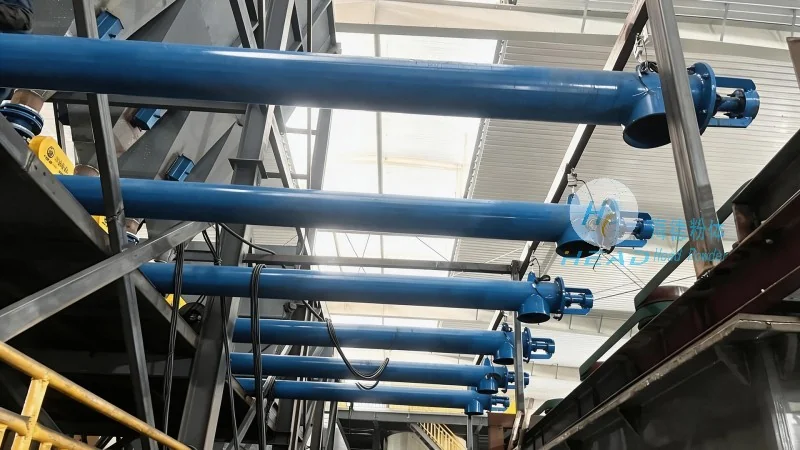
Working Principle of the Pneumatic Conveying Process
The operation of the alumina powder pneumatic conveying machine is based on the principle of pneumatic transport, where the alumina powder is suspended in a stream of air and transported through the pipeline. The process begins with the introduction of alumina powder into the feed hopper. The air supply system then generates a flow of air that enters the pipeline, creating a pressure differential that draws the powder particles into the air stream.
As the air flows through the pipeline, it carries the alumina powder particles along with it. The velocity of the air is maintained at a level sufficient to keep the powder suspended, preventing settling or blockages. The conveying system is designed to handle different flow rates and distances, with adjustments made to the air pressure and flow rate to optimize performance. The system may also incorporate a series of cyclones or filters at the discharge end to separate the powder from the air, ensuring that the powder is collected efficiently and the air is cleaned before being released.
The entire process is controlled by a system of sensors and controls that monitor parameters such as pressure, flow rate, and powder level. These controls adjust the operation of the blower, feed hopper, and discharge unit to maintain optimal conditions. The design of the system ensures that the alumina powder is handled gently, minimizing the risk of agglomeration or damage to the particles, which is essential for maintaining the quality of the final product.
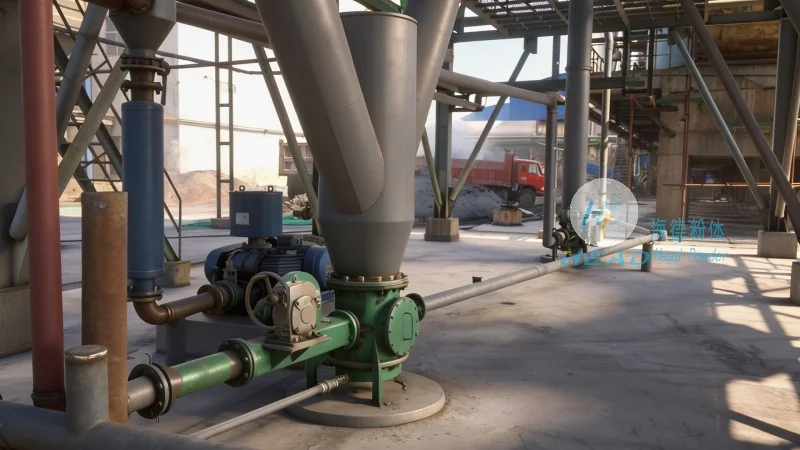
Advantages of the Alumina Powder Pneumatic Conveying Machine
The alumina powder pneumatic conveying machine offers several advantages over traditional material handling methods. One of the primary benefits is the ability to transport the powder in a closed system, which reduces dust emissions and improves workplace safety. This is particularly important for alumina powder, which can be hazardous if inhaled. The closed system also prevents contamination of the powder with external particles, ensuring that the material remains pure and consistent.
Another advantage is the flexibility of the system, which can be configured to handle different powder types and flow rates. The adjustable air pressure and flow rate allow for customization to meet specific application requirements. The system is also relatively compact and can be installed in various locations, making it suitable for both new and existing industrial facilities.
The alumina powder pneumatic conveying machine is also known for its efficiency and reliability. The design minimizes downtime and maintenance requirements, with components that are easy to access and replace. The system is equipped with safety features, such as pressure relief valves and emergency shut-off mechanisms, to prevent accidents and ensure operator safety. Overall, the machine provides a cost-effective solution for handling alumina powder, reducing labor costs and improving overall productivity.
Conclusion
Shandong HeadPowder Engineering Co., Ltd. has developed a highly effective alumina powder pneumatic conveying machine that combines advanced structural design with reliable operational principles. The machine is engineered to handle alumina powder efficiently, safely, and with minimal environmental impact. By incorporating key components such as the conveying pipeline, air supply system, feed hopper, and discharge unit, the system ensures consistent and controlled transport of the material. The pneumatic conveying process, based on the suspension of powder in air, offers advantages such as dust reduction, flexibility, and efficiency. For industries requiring reliable handling of alumina powder, this equipment provides a superior solution that meets the highest standards of performance and safety.




