Iron powder pneumatic conveying systems are critical in industrial applications for efficiently transporting iron powder and related materials. These systems utilize air or gas as the conveying medium to move bulk materials through a pipeline network. The technology is widely adopted in sectors such as chemical manufacturing, food processing, and pharmaceuticals due to its ability to handle fine powders with minimal product degradation and contamination.
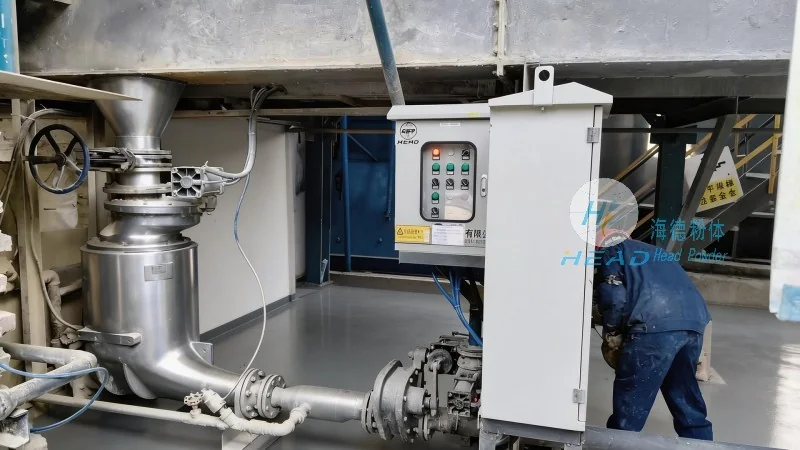
Overview of Iron Powder Pneumatic Conveying Systems
Iron powder pneumatic conveying systems are designed to transport iron powder and other similar particulate materials over long distances with high efficiency. The core components of these systems include a material feed hopper, a conveyor line, a pressure or vacuum source, and a receiver for the discharged material. The system operates by creating a flow of air or gas that pulls or pushes the iron powder through the pipeline, ensuring consistent and reliable material transfer. This method is particularly advantageous for handling iron powder as it avoids direct contact with mechanical components, reducing the risk of contamination and material degradation.
Key Components and Structural Principles
The structural design of an iron powder pneumatic conveying system is tailored to the specific characteristics of iron powder, such as its particle size, density, and flowability. The system typically consists of several key components: a hopper for material storage and feeding, a rotary valve or feeder to control the material flow rate, a pipeline network that may include bends, elbows, and filters to maintain system efficiency, and a receiver or discharge hopper where the material is collected. The pressure or vacuum source, often a blower or compressor, generates the necessary airflow to move the iron powder through the system. The system may operate under positive pressure (where air is forced through the pipeline) or negative pressure (where air is drawn out), depending on the application requirements.
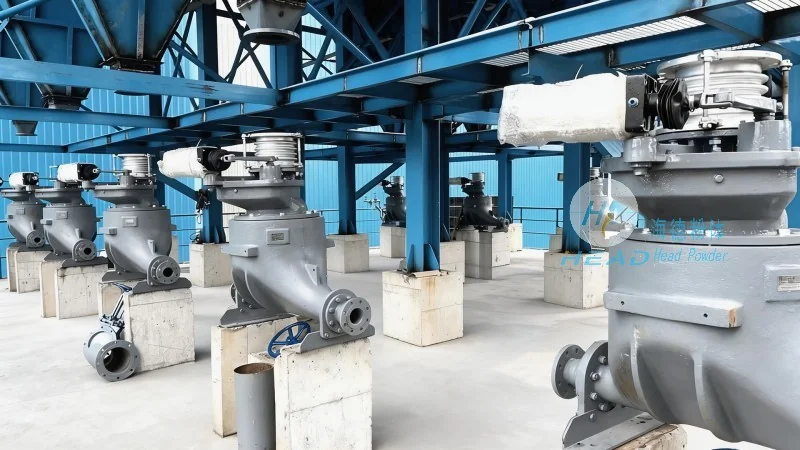
Working Principle of the Conveying Process
The working principle of an iron powder pneumatic conveying system involves the creation of a fluidized bed or a dense phase flow within the pipeline. When air is introduced into the pipeline at a controlled velocity, it lifts the iron powder particles and carries them along the conveyor line. The velocity of the air must be sufficient to overcome the gravitational forces acting on the particles but not so high as to cause particle breakage or excessive pressure drop. The system is designed to maintain a stable flow of iron powder, minimizing the risk of blockages or material deposition in the pipeline. This is achieved through proper sizing of the pipeline, selection of appropriate air velocities, and the use of filters to remove any fine particles that may cause clogging.
Advantages of Iron Powder Pneumatic Conveying Systems
Iron powder pneumatic conveying systems offer several advantages over traditional mechanical conveying methods. These include the ability to transport iron powder over long distances without the need for multiple transfer points, reduced risk of contamination due to enclosed systems, and lower maintenance requirements compared to mechanical conveyors. The systems are also flexible in terms of layout, allowing for changes in the material flow path without major modifications. Additionally, the use of air as the conveying medium allows for the integration of dust collection and filtration systems, ensuring compliance with environmental regulations and maintaining a clean working environment.
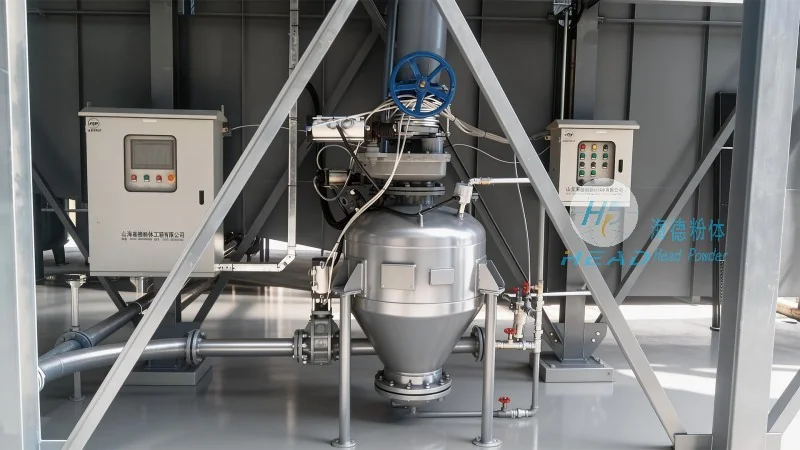
Applications and Industries
Iron powder pneumatic conveying systems are used in a variety of industries where iron powder is a key component. These include the production of magnetic materials, pigments, and catalysts, as well as in the manufacturing of iron-based alloys and composites. The systems are also utilized in the food and pharmaceutical industries for the transport of iron supplements and other iron-containing products. The ability to handle fine powders with precision and control makes these systems ideal for applications where product quality and consistency are critical.
Conclusion
In summary, iron powder pneumatic conveying systems are efficient and reliable solutions for the transportation of iron powder and similar materials. The structural design and working principles of these systems are optimized to handle the unique properties of iron powder, ensuring minimal degradation and contamination. With proper maintenance and operation, these systems can provide long-term performance and cost-effectiveness in industrial applications. The technology continues to evolve, with advancements in materials and control systems enhancing the efficiency and safety of iron powder pneumatic conveying systems.




