Operation Process and Working Principle of Pneumatic Conveying System for Dry Mortar Materials
Release time:2026-09-21 11:01:46
name of the company:Shandong Headpowder Engineering Co., Ltd.
telephone:156-6277-7102
contacts:Zhang manager
HeadPowder, a leading engineering company based in Shandong, China, specializes in the design, manufacturing, and installation of advanced pneumatic conveying systems tailored for the dry mortar industry. The company's expertise lies in providing efficient and reliable solutions for transporting dry mortar materials, ensuring optimal performance and durability in various industrial applications. This article delves into the operation process and working principle of such systems, highlighting the key components and mechanisms that enable seamless material handling. With a strong commitment to innovation and quality, HeadPowder has established itself as a trusted partner in the construction materials sector, delivering customized solutions that meet the unique needs of its clients.
Key Components of the Pneumatic Conveying System
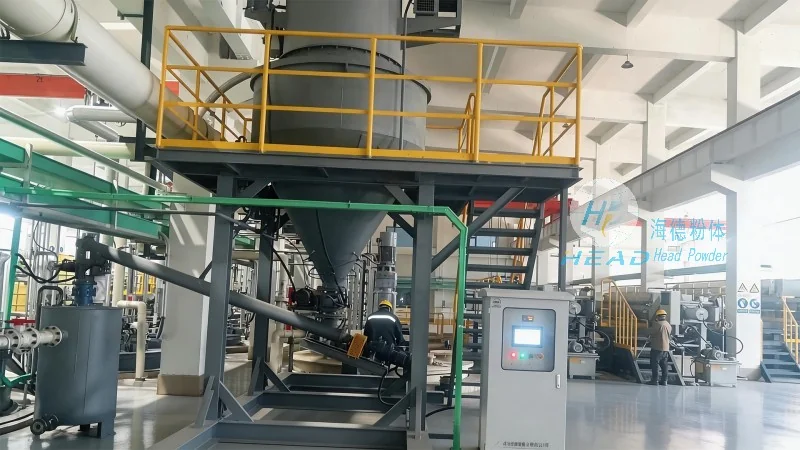
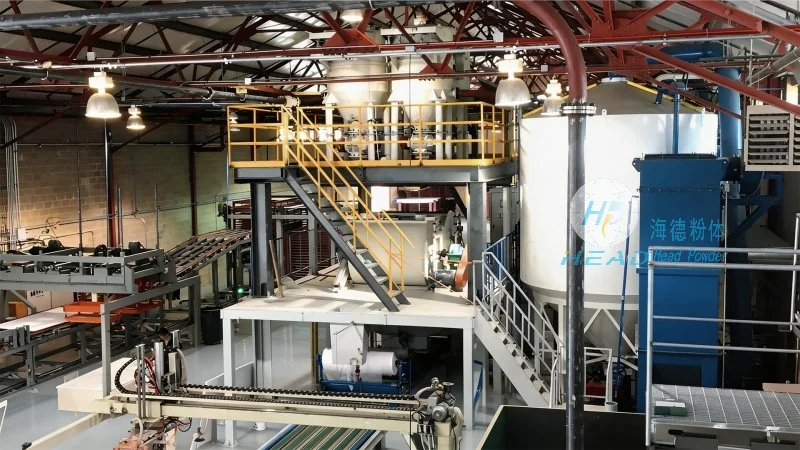
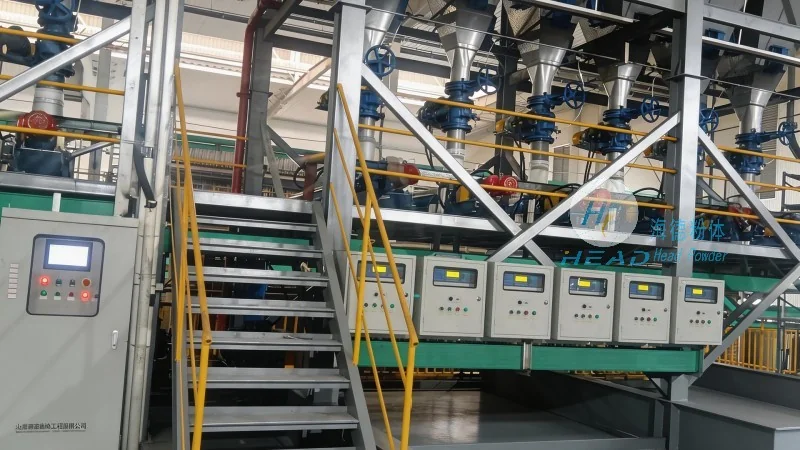
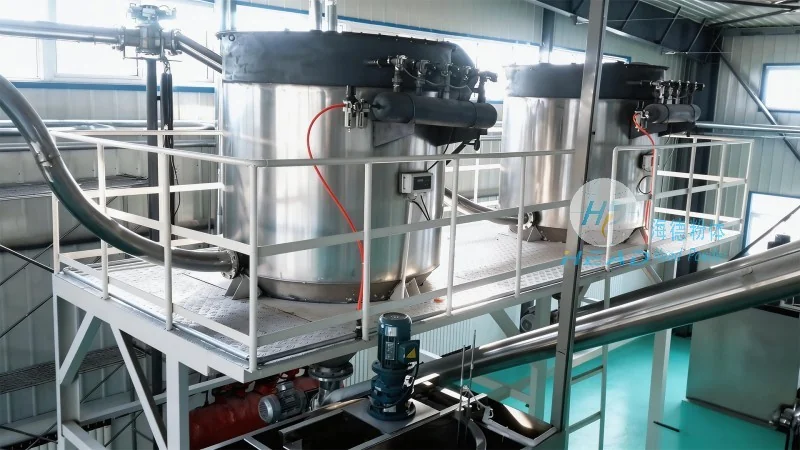
The pneumatic conveying system for dry mortar materials typically consists of several essential components that work in tandem to achieve effective material transport. These components include the material hopper, which serves as the storage and feeding unit, equipped with a hopper design that minimizes material bridging and ensures consistent flow. The hopper is often fitted with a rotary valve or screw feeder at the discharge end, which controls the material feed rate and prevents backflow. The air compressor or blower is the heart of the system, generating a high-pressure or vacuum airflow depending on the operating mode. The compressor is selected based on the required airflow rate and pressure, with options including positive displacement blowers and centrifugal compressors. The conveying pipeline is constructed from materials such as stainless steel or plastic, depending on the material being transported and the operating conditions. The pipeline is designed with smooth internal surfaces to reduce friction and prevent material buildup. Additionally, the system may incorporate features such as bends, elbows, and expansion joints to accommodate changes in direction and pressure. The control system, which includes sensors and a programmable logic controller (PLC), monitors and regulates the operation of the system, ensuring that it operates within safe and efficient parameters. The system may also include dust collection units and filters to capture and remove airborne particles, enhancing safety and compliance with environmental regulations.




