Understanding the operation process and working principle of PVC resin powder pneumatic conveying is crucial for optimizing material handling in industrial applications. This article provides a detailed overview of the key aspects involved in the pneumatic transport of PVC resin powders, highlighting the technical nuances and practical considerations that ensure efficient and reliable material movement.
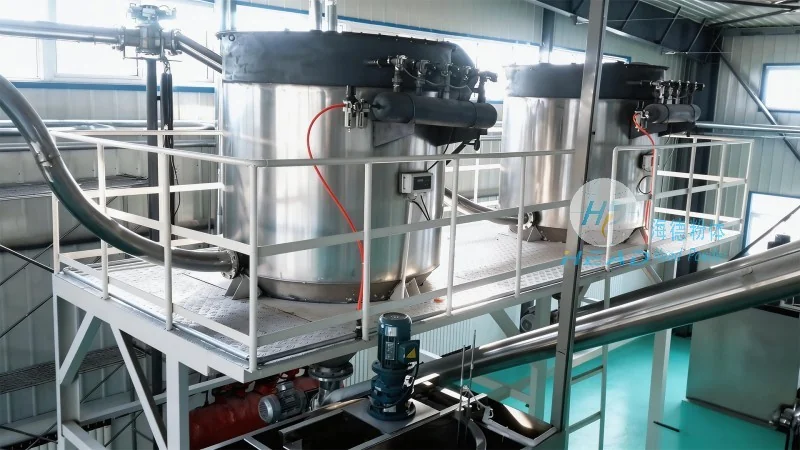
About Shandong HeadPowder Engineering Co., Ltd.
Shandong HeadPowder Engineering Co., Ltd., commonly known as headpowder, is a leading manufacturer specializing in pneumatic conveying systems and related engineering solutions. HeadPowder, located in Shandong, China, has established itself as a trusted partner for industries requiring efficient material handling technologies. With a strong focus on innovation and quality, the company designs and implements customized pneumatic conveying systems tailored to the specific needs of clients, ensuring optimal performance and durability.
Operation Process of PVC Resin Powder Pneumatic Conveying
The pneumatic conveying process for PVC resin powders typically involves several key steps that work in tandem to ensure the material is transported efficiently from the source to the destination. The process begins with the preparation of the PVC resin powder, which may involve drying or conditioning to ensure consistent particle size and moisture content. This step is critical as it directly impacts the flow characteristics and conveying efficiency. Once prepared, the powder is introduced into the conveying system, where it is then transported using air or other gases under pressure.
During the conveying phase, the PVC resin powder is carried by the moving air stream through a series of pipes and components. The system may utilize different types of pneumatic conveying methods, such as pressure or vacuum systems, depending on the specific application requirements. Pressure systems, for example, use compressed air to push the powder through the pipeline, while vacuum systems use suction to draw the material. The choice of system depends on factors like the distance to be covered, the volume of material to be transported, and the desired flow rate. In either case, the conveying process relies on the interaction between the powder particles and the air stream, which can be influenced by parameters such as air velocity, pressure, and particle size distribution.
Working Principle of PVC Resin Powder Pneumatic Conveying
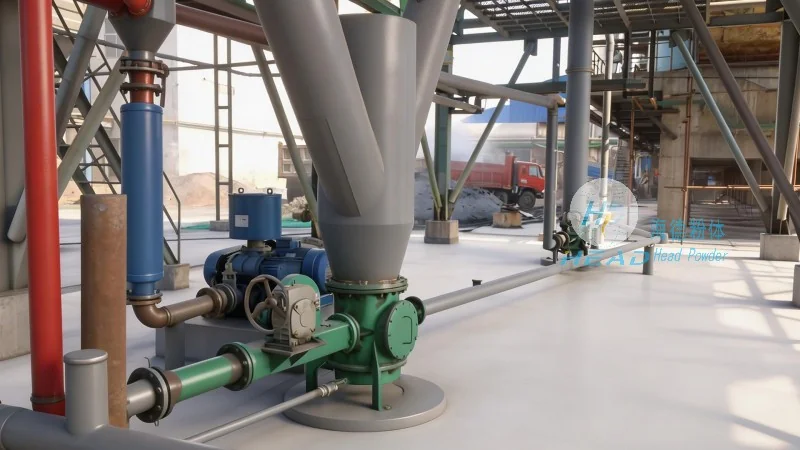
The working principle of PVC resin powder pneumatic conveying is based on the fundamental concept of fluidization and suspension of solid particles in a gas stream. When air is introduced into the conveying line at a sufficient velocity, it creates a fluidized bed of the PVC resin powder, allowing the particles to be suspended and transported along with the air. This phenomenon is known as pneumatic transport and is governed by the principles of fluid dynamics and particle mechanics.
Key components of the pneumatic conveying system include the material feed hopper, the air supply system (such as a blower or compressor), the conveying pipes, and the discharge equipment. The material feed hopper is designed to hold the PVC resin powder and control the flow rate into the system. The air supply system provides the necessary pressure or vacuum to move the material through the pipes. The conveying pipes are typically made of materials resistant to the PVC resin powder and the air, such as stainless steel or special plastics, to prevent corrosion and material degradation. The discharge equipment, such as a rotary valve or a filter, is used to collect the conveyed powder at the destination and separate it from the air stream.
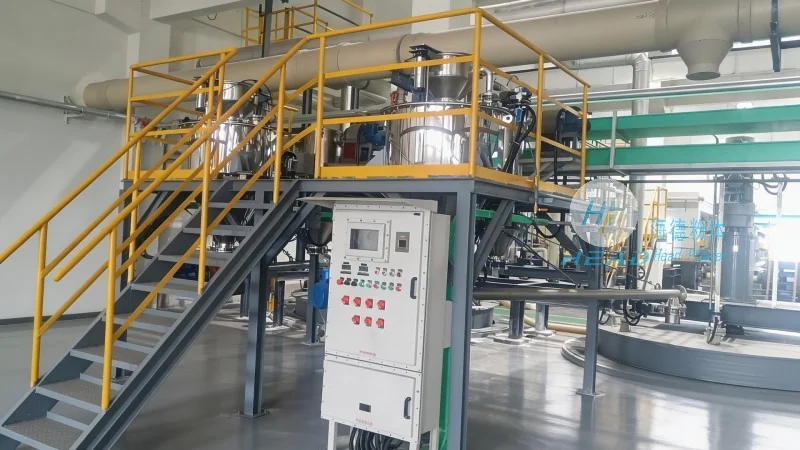
The efficiency of the pneumatic conveying system is influenced by several factors, including the air velocity, which must be high enough to suspend the powder particles but not so high as to cause excessive wear on the system components. The particle size and density of the PVC resin powder also play a critical role, as larger or denser particles may require higher air velocities for effective transport. Additionally, the system design, including the pipe diameter and length, affects the overall performance and energy consumption. Proper maintenance and monitoring of the system are essential to ensure consistent performance and minimize downtime.
Applications and Benefits of PVC Resin Powder Pneumatic Conveying
PVC resin powder pneumatic conveying is widely used in various industrial applications, including the manufacturing of PVC products, such as pipes, sheets, and profiles. The technology offers several advantages over traditional material handling methods, such as reduced labor costs, improved safety by eliminating manual handling, and increased efficiency in material transfer. The ability to transport PVC resin powders over long distances without the need for intermediate storage or handling points makes it an ideal solution for large-scale production facilities.
HeadPowder's pneumatic conveying systems are designed to meet the specific requirements of PVC resin powder applications, ensuring optimal performance and reliability. The company's expertise in system design and engineering allows for the development of customized solutions that address the unique challenges of each client's operation. By leveraging advanced technology and rigorous quality control, HeadPowder ensures that its pneumatic conveying systems deliver consistent results and contribute to the overall productivity and profitability of its clients.




