Understanding the operation process and working principle of cement aggregate pneumatic conveying is crucial for optimizing material handling in construction and industrial applications. This article provides a detailed overview of how these systems function, emphasizing the technical aspects and operational efficiency.
Company Overview: Shandong HeadPowder Engineering Co., Ltd.
HeadPowder, a leading engineering company based in Shandong, China, specializes in the design, manufacturing, and installation of advanced pneumatic conveying solutions. With a strong focus on innovation and customer satisfaction, HeadPowder has established itself as a trusted partner for businesses seeking reliable material transport systems.
Key Components of Pneumatic Conveying Systems
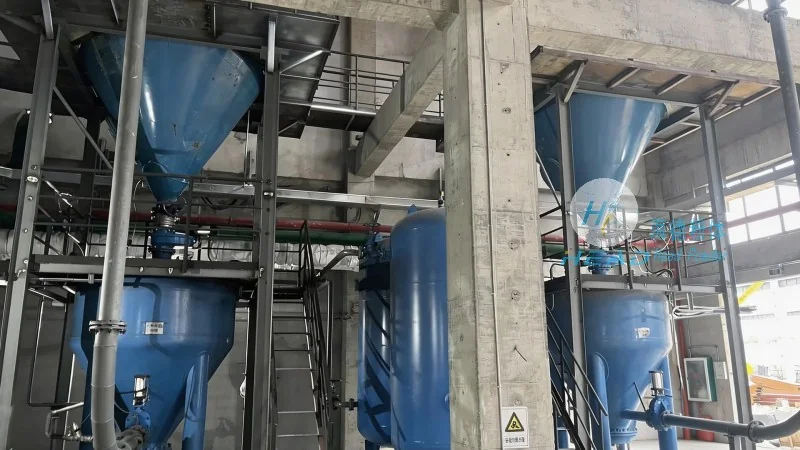
Pneumatic conveying systems for cement aggregates typically consist of several core components that work in tandem to ensure efficient material transport. These include the hopper for material storage, the air compressor or blower to generate the necessary airflow, the pipeline network for conveying the material, and the control system to regulate the operation. Each component plays a vital role in maintaining the system's performance and reliability.
The Working Principle of Pneumatic Conveying
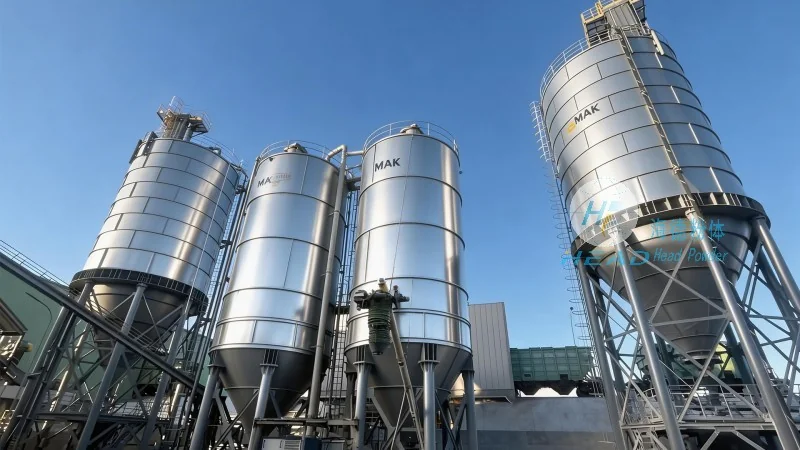
The fundamental principle of pneumatic conveying involves using air to transport bulk materials like cement aggregates through a closed pipeline system. As air is forced through the pipeline, it creates a pressure differential that lifts and moves the material particles. This process can be categorized into two main types: dilute phase and dense phase conveying, each with distinct characteristics and applications. Dilute phase systems use higher air velocities to transport material in a more dispersed state, while dense phase systems operate at lower velocities, allowing for more controlled and gentle material movement.
Operation Process of Cement Aggregate Pneumatic Conveying
The operation process of a cement aggregate pneumatic conveying system begins with the loading of material into the hopper. This initial step ensures that the system has a sufficient supply of material to be conveyed. Once the hopper is filled, the control system activates the air compressor, which starts generating the required airflow. The air pressure created by the compressor creates a pressure differential within the pipeline, drawing the cement aggregates from the hopper and propelling them through the system. The material travels through the pipeline network, which may include bends, elbows, and other components designed to maintain the flow and prevent blockages. The system continues to transport the material until it reaches the destination, such as a storage silo or a processing unit. Throughout the operation, the control system monitors key parameters like airflow rate, pressure, and material level to ensure optimal performance. Regular maintenance, including cleaning the pipeline and checking the compressor performance, is essential to prevent issues like clogging or reduced efficiency.
Advantages of Pneumatic Conveying for Cement Aggregates
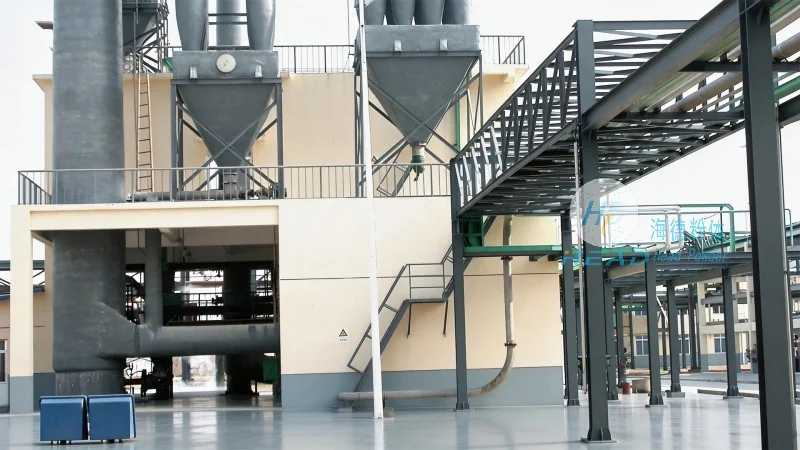
Implementing pneumatic conveying systems offers several advantages for the transportation of cement aggregates. These include reduced labor costs by automating the material handling process, improved safety by eliminating manual handling of heavy or dusty materials, and enhanced efficiency in material movement compared to traditional methods like trucks or conveyor belts. Additionally, these systems can be designed to handle various particle sizes and moisture content, making them versatile for different industrial applications. The closed pipeline system also helps in controlling dust emissions, contributing to a cleaner working environment.
Applications in Construction and Industrial Sectors
Pneumatic conveying systems are widely used in the construction industry for transporting cement, sand, and other aggregates to job sites. In industrial settings, they are employed in manufacturing processes where bulk materials need to be moved between different stages of production, such as from raw material storage to processing units or from production lines to packaging areas. The flexibility and adaptability of these systems make them suitable for a wide range of applications, from small-scale operations to large-scale industrial facilities. For example, in cement plants, pneumatic conveying is used to transport raw materials and finished products, while in concrete mixing plants, it facilitates the delivery of aggregates to the mixing area. The systems can be customized to meet specific operational requirements, including varying material flow rates and distances.




