Carbide slag, a byproduct of the calcium carbide production process, poses significant challenges in handling due to its high moisture content, abrasive nature, and potential for dust generation. Pneumatic conveying systems offer an efficient and safe method for transporting this material from the production site to disposal or processing facilities. This article delves into the operational process and underlying principles of carbide slag pneumatic conveying, highlighting key components, system configurations, and the technical considerations that ensure reliable performance.
Shandong HeadPowder Engineering Co., Ltd., a leading provider in the field, specializes in the design, manufacturing, and installation of customized pneumatic conveying solutions tailored to the unique demands of industrial applications. With a focus on durability, efficiency, and environmental compliance, the company’s expertise in carbide slag handling has established it as a trusted partner for clients seeking advanced material transport systems.
The pneumatic conveying process for carbide slag typically involves a combination of positive and negative pressure systems, depending on the distance and layout of the transport route. Positive pressure systems utilize a blower or compressor to generate air pressure that propels the material through a pipeline, while negative pressure systems create a vacuum to draw the material into the system. Both approaches require careful consideration of the material’s physical properties, such as particle size distribution, moisture content, and density, to optimize system performance and prevent blockages or system failures.
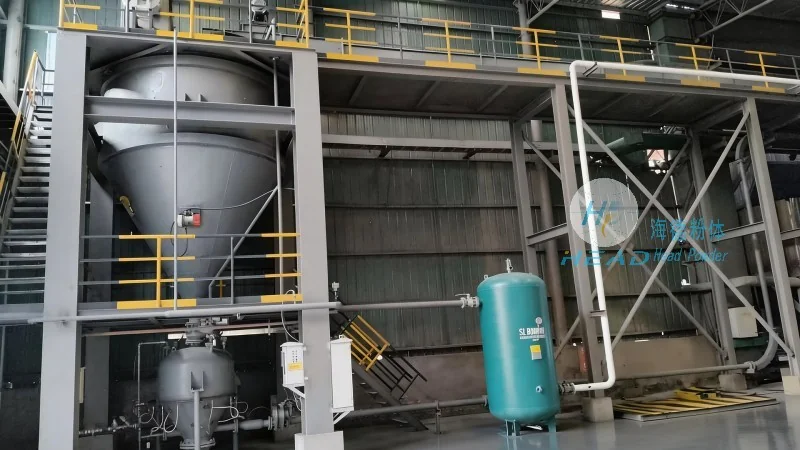
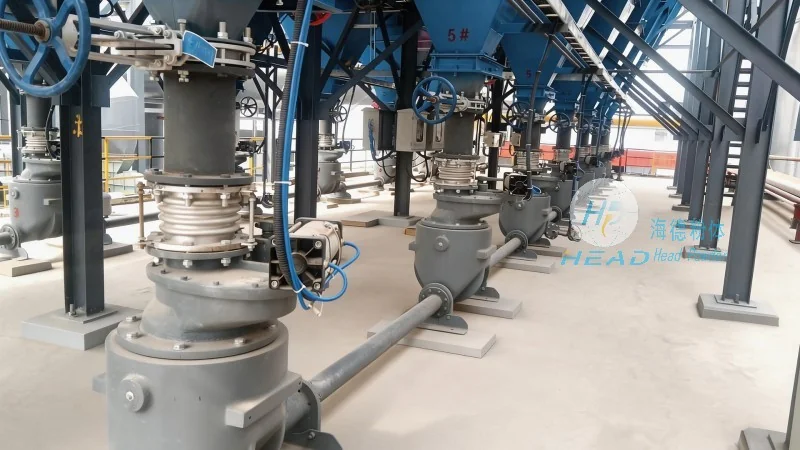
Key components of a carbide slag pneumatic conveying system include the material feed hopper, which feeds the slag into the pipeline, the airlock or rotary valve that controls the flow rate, the conveying pipeline itself, and the discharge hopper or silo at the receiving end. The feed hopper is designed to handle the abrasive nature of carbide slag, often featuring wear-resistant liners and robust construction to minimize maintenance and downtime. The airlock or rotary valve ensures a consistent and controlled flow of material, preventing backflow and maintaining system pressure stability.
The conveying pipeline is typically made of high-quality, corrosion-resistant materials such as stainless steel or polyethylene, chosen to withstand the chemical and mechanical stresses associated with carbide slag. The pipeline diameter and length are critical parameters that influence the system’s capacity and efficiency. Proper sizing ensures that the air velocity remains within optimal ranges, preventing particle segregation and ensuring uniform material transport.
At the receiving end, the discharge hopper or silo collects the conveyed carbide slag, allowing for subsequent processing or disposal. The design of this component is crucial for preventing material accumulation and ensuring smooth discharge. In some applications, additional equipment such as classifiers or driers may be integrated to improve the quality of the material before storage or use.
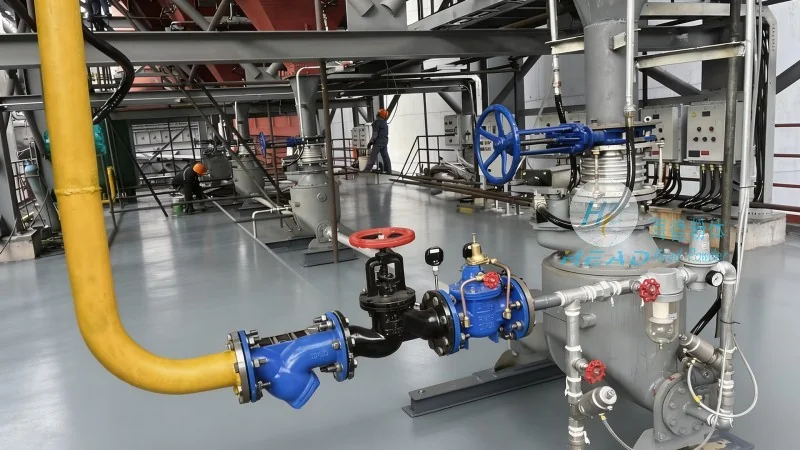
Operational considerations for carbide slag pneumatic conveying systems include the management of dust and moisture. Carbide slag is prone to generating fine dust, which can lead to health hazards and equipment wear. Therefore, dust collection systems, such as cyclones or baghouses, are often incorporated into the design to capture and remove particulate matter from the air stream. Moisture control is also essential, as high moisture content can cause blockages and reduce system efficiency. Pre-drying or moisture reduction steps may be implemented upstream to improve material flow characteristics.
System performance is evaluated based on several key metrics, including conveying capacity, pressure drop, and energy consumption. Conveying capacity refers to the volume of material transported per unit time, which is influenced by the system’s design and operating parameters. Pressure drop across the pipeline indicates the energy required to move the material and is a critical factor in determining the system’s efficiency. Energy consumption is a significant cost factor, and optimizing the system to minimize pressure drop and air velocity can lead to substantial savings over time.
Maintenance and troubleshooting are integral to the long-term reliability of carbide slag pneumatic conveying systems. Regular inspection of wear parts, such as pipeline liners and valve components, is necessary to prevent premature failure. Monitoring system pressure and flow rates helps identify potential issues early, allowing for timely maintenance and reducing downtime. Common problems include blockages, air leaks, and material buildup, which can be addressed through proper system design, regular cleaning, and adherence to operational guidelines.
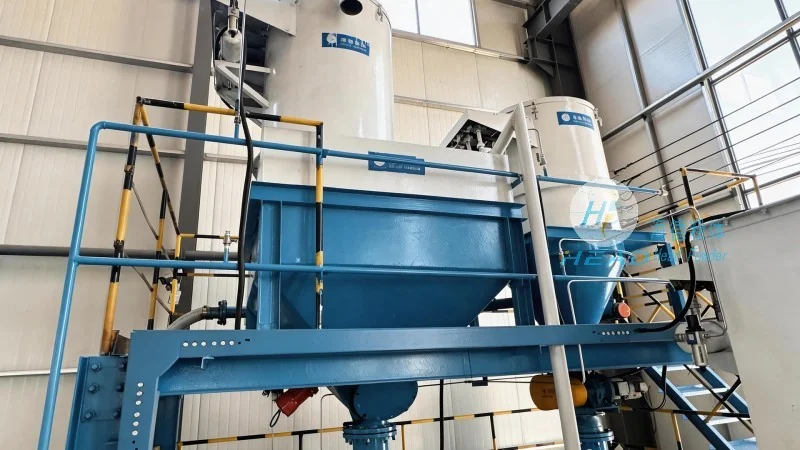
Shandong HeadPowder Engineering Co., Ltd. leverages its extensive experience in carbide slag handling to provide comprehensive solutions that address the specific challenges of each application. The company’s team of engineers works closely with clients to assess their operational needs, develop customized system designs, and ensure compliance with industry standards and regulations. By combining advanced technology with practical engineering expertise, HeadPowder delivers reliable, efficient, and cost-effective pneumatic conveying systems that enhance productivity and safety in carbide slag processing operations.
As a leading manufacturer in China, Shandong HeadPowder Engineering Co., Ltd. is committed to innovation and quality in the design and production of pneumatic conveying equipment. The company’s facilities, located in Shandong, China, are equipped with state-of-the-art manufacturing capabilities and rigorous quality control processes to ensure that every system meets the highest standards of performance and durability. With a focus on customer satisfaction and long-term partnerships, HeadPowder continues to be a trusted provider of advanced material transport solutions for the industrial sector.




