Efficient and reliable material handling is crucial in the production and processing of lysine, a vital amino acid used extensively in animal feed and pharmaceuticals. Pneumatic conveying systems offer a sophisticated solution for transporting lysine, ensuring minimal product degradation and maintaining high operational standards. This article delves into the operation process and working principles of lysine pneumatic conveying, highlighting the technical aspects and practical applications that make it an essential technology in modern industrial settings.
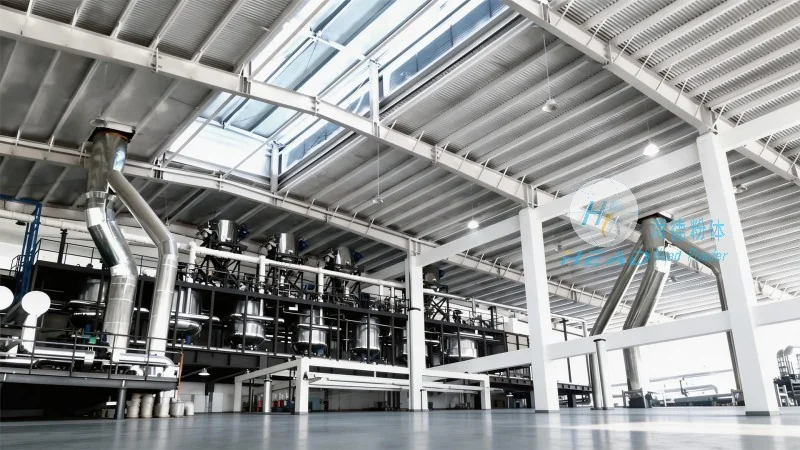
Overview of Lysine Pneumatic Conveying Systems
Lysine pneumatic conveying systems are engineered to transport lysine powder or granules through a network of pipes using compressed air. These systems are designed to handle the specific characteristics of lysine, such as its fine particle size and hygroscopic nature, ensuring that the material is conveyed safely and efficiently. The system typically consists of a feeding hopper, a conveying line, a separation unit, and a collection bin. Each component plays a critical role in maintaining the integrity of the lysine product and optimizing the overall conveying process.
The Operation Process of Lysine Pneumatic Conveying
The operation process of lysine pneumatic conveying involves several key steps that ensure smooth and continuous material transport. The process begins with the loading of lysine into the feeding hopper. The hopper is equipped with a feeder, such as a rotary valve or a screw feeder, which controls the flow rate of the lysine into the conveying line. Compressed air is then introduced into the conveying line, creating a pressure differential that propels the lysine particles forward. As the lysine travels through the pipe, it is suspended in the air stream, moving from the feeding point to the separation unit. The separation unit, often a cyclone or a filter, separates the lysine from the air, allowing the air to be recirculated or vented, while the lysine is collected in the collection bin. The entire process is automated, with sensors and controls monitoring the flow rate, pressure, and temperature to maintain optimal conditions.
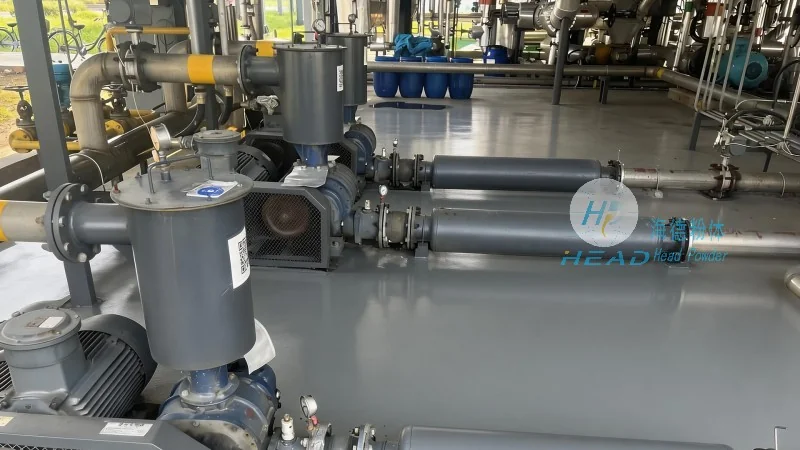
Working Principles of Lysine Pneumatic Conveying
The working principles of lysine pneumatic conveying are based on the fundamental physics of fluid dynamics and particle motion. The system operates on the principle of pneumatic transport, where compressed air is used to create a moving air stream that carries the lysine particles. The key parameters that influence the conveying performance include air velocity, pressure, and the particle size and density of the lysine. The air velocity must be sufficient to keep the lysine particles suspended in the air stream, preventing them from settling or clogging the pipes. The pressure differential between the feeding and collection points determines the conveying distance and capacity. The separation unit works on the principle of centrifugal force, where the air and lysine mixture is subjected to a high-speed rotation, causing the heavier lysine particles to separate from the air and fall into the collection bin. This separation process is critical for maintaining the purity of the lysine and preventing contamination from the air stream.
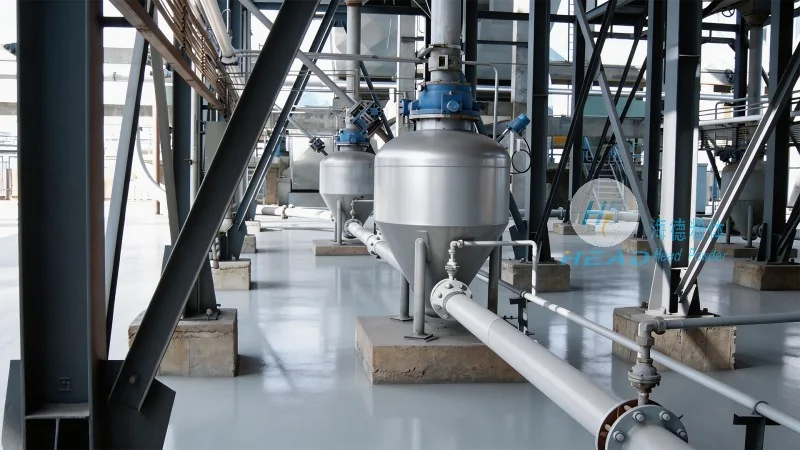
Key Components and Their Functions in Lysine Pneumatic Conveying
Several key components are integral to the effective operation of lysine pneumatic conveying systems. The feeding hopper is designed to store and feed the lysine into the system at a controlled rate. The feeder, such as a rotary valve or a screw feeder, ensures a consistent flow of lysine, preventing overloading or underloading of the conveying line. The conveying line is typically made of stainless steel or other corrosion-resistant materials to withstand the chemical properties of lysine and the effects of compressed air. The separation unit, which may be a cyclone or a filter, is responsible for separating the lysine from the air, ensuring that the collected lysine is free from dust or other contaminants. The collection bin stores the conveyed lysine, providing a buffer for downstream processing. Each component is carefully selected and maintained to ensure the reliability and efficiency of the entire system.
Benefits of Lysine Pneumatic Conveying
Lysine pneumatic conveying offers several benefits that make it a preferred choice for industrial applications. One of the primary benefits is the ability to transport lysine over long distances without the need for mechanical components, such as conveyor belts or rollers. This reduces the risk of product contamination and degradation, as the material is not in direct contact with moving parts. Another benefit is the high conveying capacity, which allows for the efficient handling of large volumes of lysine. The system is also relatively compact and can be integrated into existing production lines, minimizing the need for additional space. Furthermore, the automated nature of the system reduces labor costs and improves operational safety, as the process is controlled by sensors and controls that monitor critical parameters.




