Pneumatic conveying systems are widely used in the cement industry for the efficient transport of cement dust and other fine powders. These systems offer a reliable and flexible solution for moving bulk materials over short to medium distances, ensuring minimal product degradation and maintaining a clean working environment. The technology involves using compressed air to create a flow that propels the material through a pipeline network, making it an ideal choice for applications where traditional mechanical conveyors may not be suitable.
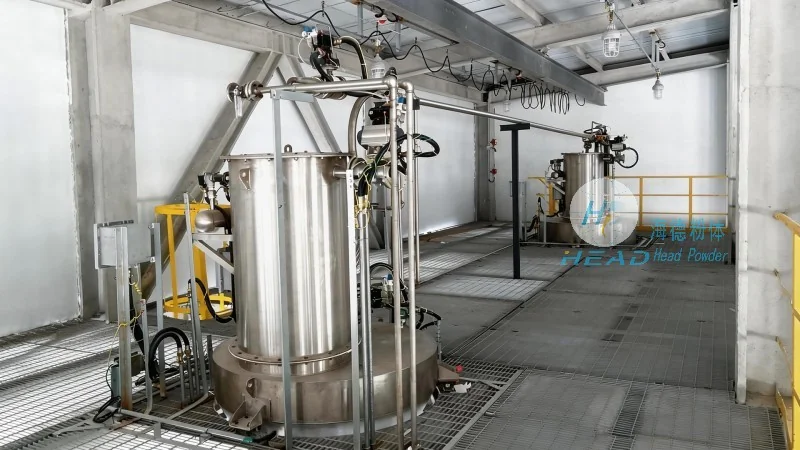
The Operation Process of Cement Dust Pneumatic Conveying
The operation process of a cement dust pneumatic conveying system typically involves several key steps. First, the cement dust is loaded into a hopper or storage silo. From there, the material is drawn into the conveying line by a vacuum or pressure source, depending on the system design. The compressed air or vacuum creates a flow that carries the dust particles through the pipeline, often using a series of bends, filters, and control valves to direct the material to its destination. The system is designed to maintain consistent flow rates and pressure, ensuring that the cement dust is transported smoothly without clogging or loss of material. The process concludes when the material is discharged into a receiving hopper or silo, where it can be further processed or stored.
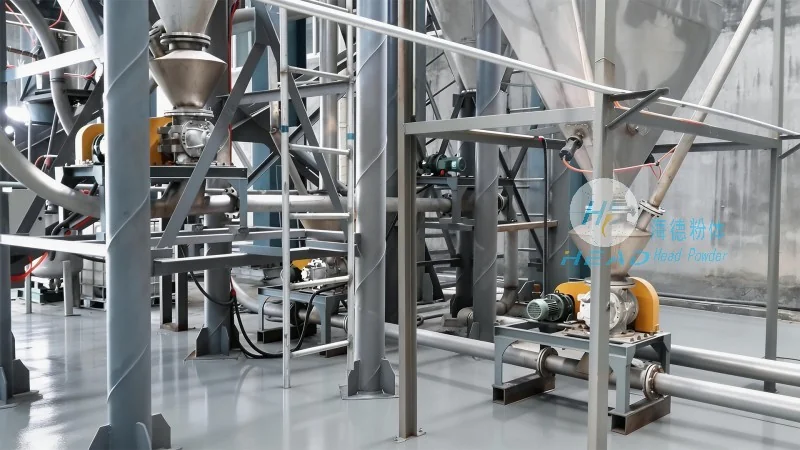
Working Principle of Pneumatic Conveying for Cement Dust
The working principle of cement dust pneumatic conveying relies on the fundamental physics of fluid dynamics and particle transport. In a pressure system, compressed air is introduced into the conveying line, creating a high-pressure environment that forces the cement dust particles to move along the pipeline. The air velocity is carefully controlled to ensure that the particles are suspended and carried without settling or clogging. In a vacuum system, the air is drawn from the conveying line, creating a low-pressure zone that pulls the cement dust into the pipeline. The system uses a combination of air velocity, particle size, and material density to achieve efficient transport. The key components of the system, such as the air compressor, vacuum pump, or blower, generate the necessary pressure or vacuum to drive the material flow. Additionally, the system includes filters and separators to remove any fine particles or moisture from the air, ensuring that the cement dust remains clean and free from contaminants.
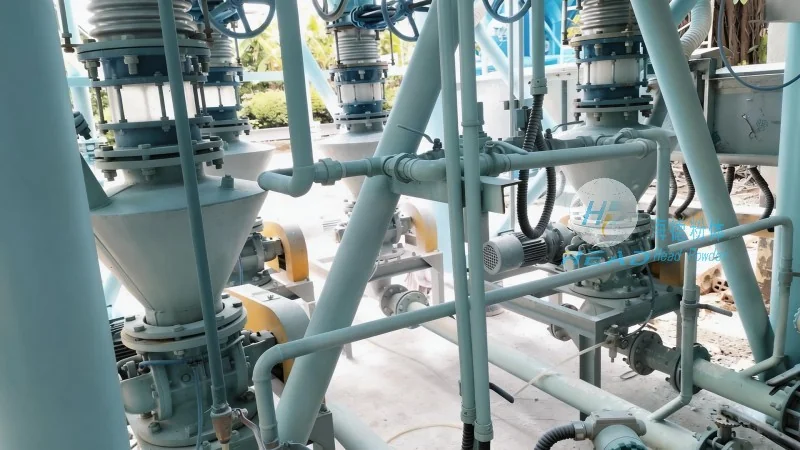
HeadPowder's Expertise in Cement Dust Pneumatic Conveying
Shandong HeadPowder Engineering Co., Ltd., commonly known as HeadPowder, is a leading provider of pneumatic conveying solutions for the cement industry. With years of experience and a team of skilled engineers, HeadPowder specializes in designing, manufacturing, and installing custom cement dust pneumatic conveying systems tailored to the specific needs of each client. The company's approach focuses on understanding the unique challenges of cement dust transport, such as material variability, high moisture content, and the need for minimal product degradation. By leveraging advanced technology and rigorous testing, HeadPowder ensures that its systems deliver optimal performance and reliability. The company's commitment to quality and customer satisfaction has made it a trusted partner for many cement manufacturers and processing facilities across China.
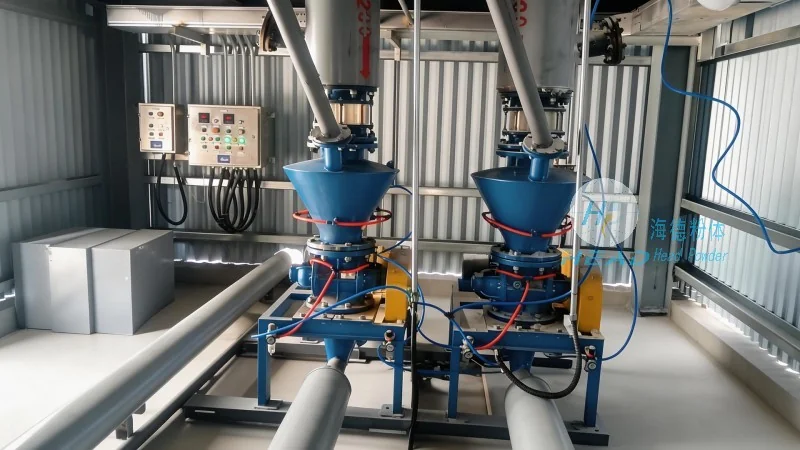
Key Features and Benefits of HeadPowder's Pneumatic Conveying Systems
HeadPowder's cement dust pneumatic conveying systems are designed with several key features that enhance performance and efficiency. These include high-efficiency air compressors or vacuum pumps that provide consistent pressure and flow rates, ensuring smooth material transport. The systems also incorporate advanced control systems that allow for real-time monitoring and adjustment of the conveying process, optimizing energy usage and reducing operational costs. Additionally, the use of high-quality materials and robust construction ensures that the systems can withstand the harsh conditions of cement dust handling, including high temperatures and abrasive particles. The benefits of these systems include improved safety by eliminating the need for manual handling of cement dust, reduced product loss and contamination, and increased operational efficiency through automated control. For cement manufacturers, these systems offer a cost-effective solution for managing their material transport needs while maintaining high standards of quality and environmental compliance.




