Pneumatic conveying systems are widely used in the agricultural and food processing industries for the efficient transport of bulk materials like sorghum. These systems offer a clean, dust-free, and flexible method to move high-volume grain products from one location to another. Understanding the operation process and working principle of such systems is crucial for optimizing performance and ensuring reliable material handling in grain processing facilities.
Key Components of a Sorghum Pneumatic Conveying System
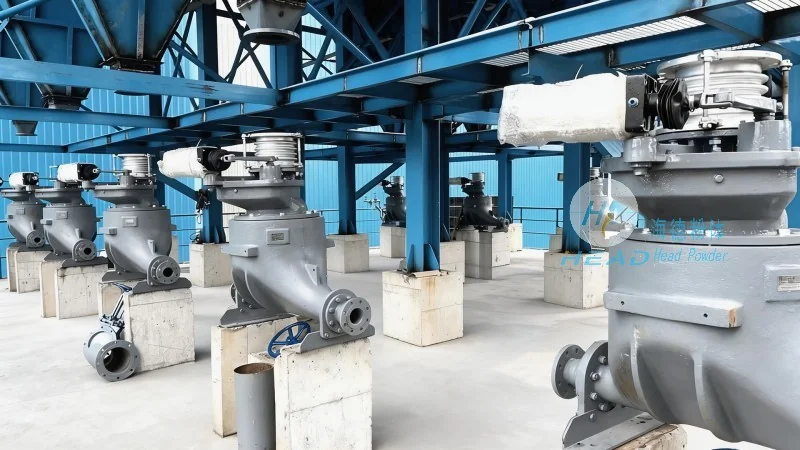
A typical sorghum pneumatic conveying system consists of several essential components that work in tandem to achieve efficient material transport. The main components include a material hopper, a conveying pipeline, a fan or blower unit, a control system, and a discharge point. Each component plays a vital role in the overall operation of the system. The material hopper stores the sorghum, ensuring a consistent feed to the system. The conveying pipeline, often made of stainless steel or other corrosion-resistant materials, carries the material through the system. The fan or blower provides the necessary air pressure and flow rate to move the sorghum particles. The control system monitors and regulates the operation, while the discharge point collects the conveyed sorghum at the destination.
The Operation Process of Sorghum Pneumatic Conveying
The operation process of a sorghum pneumatic conveying system begins with the loading of the material into the hopper. As the material is fed into the system, the fan or blower starts operating, creating a pressure differential within the pipeline. The air flow generated by the fan draws the sorghum particles into the pipeline, where they are carried to the discharge point. The system operates continuously, with the material moving from the hopper to the discharge point in a steady stream. The speed and pressure of the air flow can be adjusted to control the rate of material transport, ensuring optimal performance under different operational conditions. The process is designed to minimize material degradation and maintain product quality throughout the conveying operation.
Working Principle of Pneumatic Conveying for Sorghum
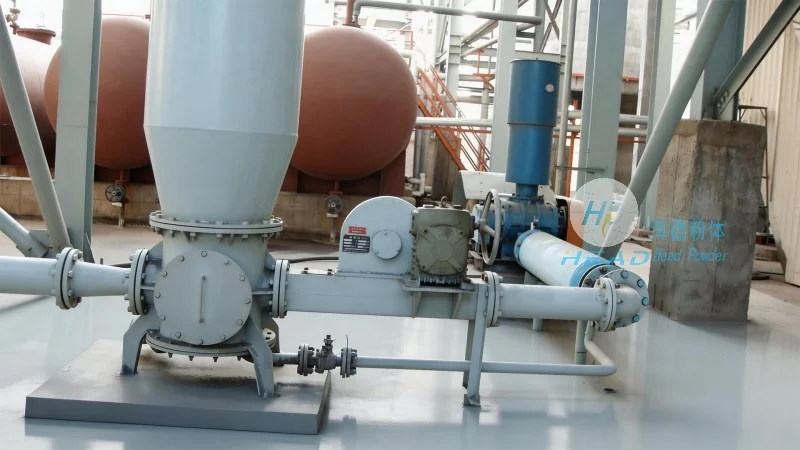
The working principle of a sorghum pneumatic conveying system is based on the use of air as the conveying medium. The system operates by creating a pressure difference between the inlet and outlet of the pipeline. The fan or blower generates a high-pressure air stream that pulls the sorghum particles into the pipeline. The particles are suspended in the air stream and transported through the pipeline to the discharge point. The air flow rate and pressure are critical parameters that determine the efficiency of the system. Proper design and maintenance of the system ensure that the sorghum particles are conveyed without excessive pressure loss or particle degradation. The system's design also considers factors such as material density, particle size, and moisture content to optimize the conveying process.
Advantages of Using Pneumatic Conveying for Sorghum Handling
Pneumatic conveying systems offer several advantages when handling sorghum and other bulk materials. One of the key advantages is the ability to transport materials in a clean and dust-free environment, which is essential for maintaining product quality and meeting regulatory standards. The system also provides flexibility in terms of layout and installation, as the pipeline can be arranged in various configurations to suit the facility's design. Additionally, pneumatic conveying systems are capable of handling high volumes of material at a relatively low cost compared to other material handling methods. The system's ability to operate continuously without the need for manual intervention also contributes to increased efficiency and productivity in grain processing operations.
Applications of Sorghum Pneumatic Conveying Systems
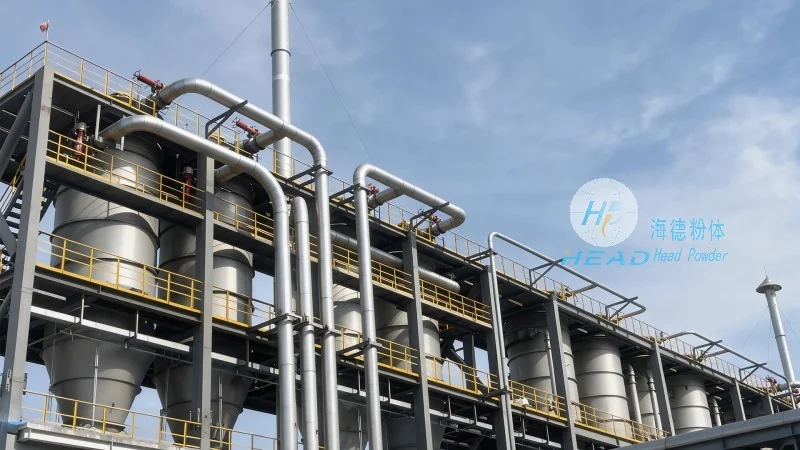
Sorghum pneumatic conveying systems are widely used in various applications within the agricultural and food processing industries. These systems are commonly employed in grain storage facilities for moving sorghum from storage silos to processing equipment. They are also used in milling operations to transport sorghum from the grinding stage to the packaging stage. Additionally, the systems are utilized in feed manufacturing plants to convey sorghum as part of animal feed formulations. The versatility of pneumatic conveying systems makes them suitable for a wide range of applications, from small-scale operations to large industrial facilities.
Maintenance and Operational Considerations for Sorghum Pneumatic Conveying Systems
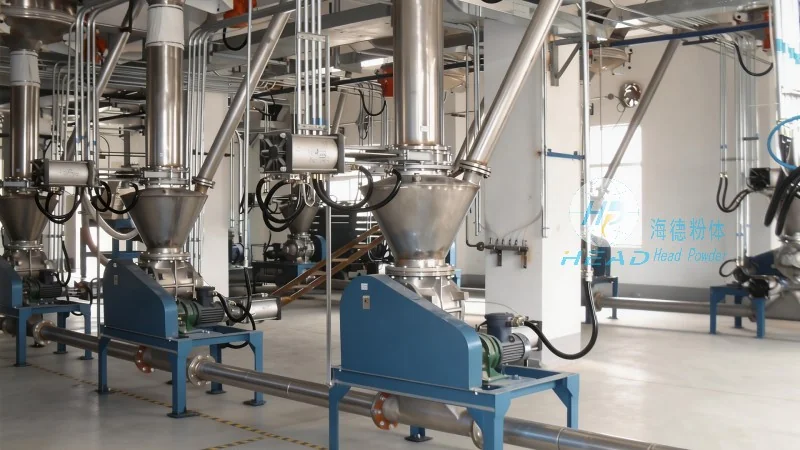
Proper maintenance and operational considerations are essential for ensuring the reliable and efficient operation of sorghum pneumatic conveying systems. Regular maintenance of the fan or blower unit, pipeline, and control system is crucial to prevent equipment failure and maintain optimal performance. The system should be inspected regularly for signs of wear and tear, such as corrosion or blockages in the pipeline. Additionally, the material feed rate and air flow parameters should be monitored and adjusted as needed to ensure consistent material transport. Proper cleaning of the system after each use is also important to prevent material buildup and maintain product quality. By following these maintenance and operational guidelines, the system can operate efficiently and reliably for extended periods, minimizing downtime and maximizing productivity.
Conclusion: The Importance of Understanding Sorghum Pneumatic Conveying
In conclusion, understanding the operation process and working principle of sorghum pneumatic conveying systems is vital for optimizing material handling in grain processing facilities. These systems offer a clean, efficient, and flexible method for transporting bulk materials like sorghum. By leveraging the key components and operational principles discussed, facilities can improve their productivity, maintain product quality, and reduce operational costs. The continued development and application of advanced pneumatic conveying technologies will further enhance the efficiency and reliability of sorghum handling processes, contributing to the overall success of agricultural and food processing operations.




