HeadPowder, a leading manufacturer in the field of material handling equipment, specializes in the design and production of advanced pneumatic conveying systems tailored for various bulk materials, including corn cob. This article provides a detailed overview of the operation process and working principle of their corn cob material pneumatic conveying equipment, highlighting the technical aspects and practical applications that make it an efficient solution for material transport in agricultural and industrial settings.
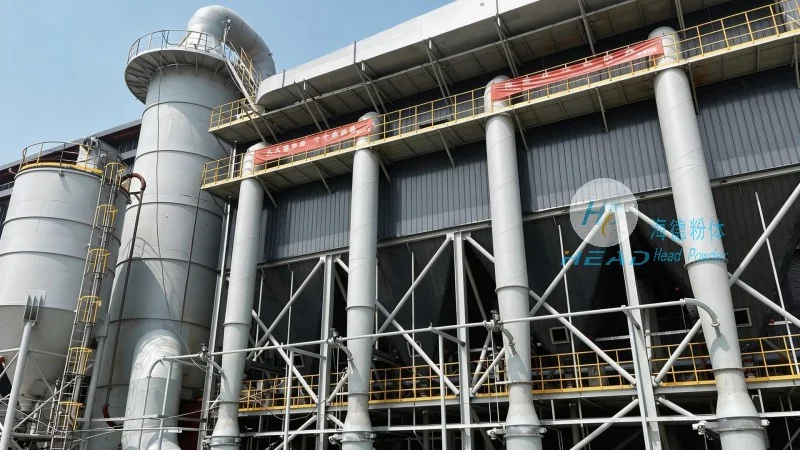
Company Profile and Expertise
Shandong HeadPowder Engineering Co., Ltd., commonly known as HeadPowder, is headquartered in Shandong, China. With years of experience in the engineering and manufacturing of material handling solutions, the company has built a strong reputation for delivering high-quality, reliable equipment that meets the demanding requirements of the agricultural and industrial sectors. HeadPowder's expertise lies in the development of customized pneumatic conveying systems, ensuring optimal performance and durability for diverse material types, such as corn cob, which is a common byproduct in the corn processing industry.
Working Principle of Pneumatic Conveying Systems
The core of the corn cob material pneumatic conveying equipment is the pneumatic conveying technology, which utilizes air as the medium to transport bulk materials. The system operates by creating a pressure differential between the inlet and outlet of the conveying line. When the system is activated, a fan or blower generates high-pressure air, which is then introduced into the conveying line. The corn cob particles are fed into the line, typically through a hopper or feeder, and are carried along by the moving air stream. The air velocity is carefully controlled to ensure that the particles are suspended and transported efficiently without causing blockages or excessive wear on the system components.
Key Components and Their Functions
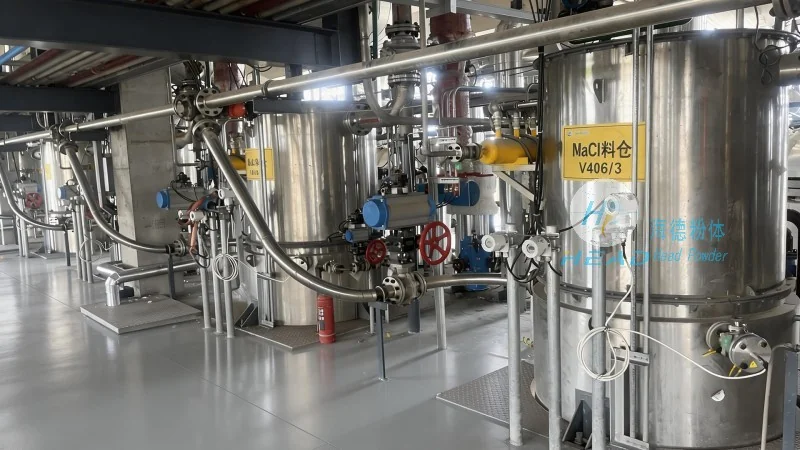
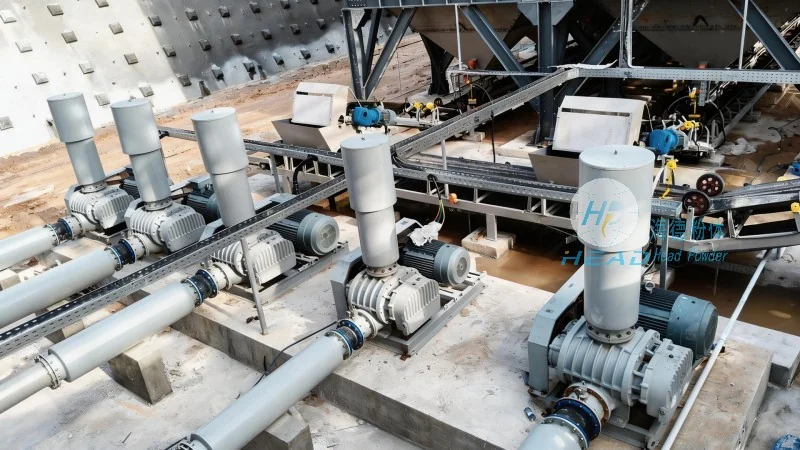
The corn cob material pneumatic conveying equipment consists of several key components, each playing a crucial role in the overall operation. These components include the air source system (such as a fan or blower), the conveying line (usually made of stainless steel or other corrosion-resistant materials), the feeding system (hopper and feeder), the separation and cleaning system (cyclone separators or filters), and the control system (electronic controls for monitoring and adjusting the operation). The air source provides the necessary air pressure and flow rate, while the conveying line transports the material from the feeding point to the discharge point. The feeding system ensures a consistent and controlled flow of corn cob into the line, preventing overloading and maintaining system efficiency. The separation system removes any fine particles or dust from the air stream, protecting the equipment and ensuring clean material handling. The control system allows operators to monitor and adjust the system parameters, such as air pressure and flow rate, to optimize performance and prevent issues like clogging or excessive energy consumption.
Operation Process: Step-by-Step Guide
The operation of the corn cob material pneumatic conveying equipment follows a systematic process to ensure safe and efficient material transport. The steps involved are as follows:
- Preparation and Setup: Before starting the operation, the system is prepared by checking all components for proper installation and functionality. The air source is turned on, and the system is allowed to reach the required operating pressure. The feeding hopper is filled with corn cob, and the feeder is adjusted to the desired flow rate.
- System Activation: Once the preparation is complete, the control system is activated, and the fan or blower starts operating. The air pressure builds up, and the conveying line is pressurized. The feeder then begins to discharge the corn cob into the line, and the material is carried by the air stream to the discharge point.
- Material Transport: As the corn cob moves through the conveying line, it is suspended and transported efficiently. The system continuously monitors the air pressure and flow rate to ensure that the material is being transported at the optimal speed. Any adjustments to the flow rate or air pressure are made as needed to maintain consistent performance.
- Discharge and Collection: At the discharge point, the corn cob is collected in a receiving container or storage area. The separation system may be activated at this stage to remove any fine particles or dust from the air stream, ensuring that the collected material is clean and free from contaminants.
- System Shutdown: When the material transport is complete, the control system is deactivated, and the air source is turned off. The conveying line is depressurized, and the system is prepared for the next operation cycle. The hopper and feeder are cleared of any remaining material to prevent clogging and ensure the system is ready for the next use.
Advantages and Applications
The corn cob material pneumatic conveying equipment offers several advantages over traditional material handling methods, such as belt conveyors or bucket elevators. These advantages include:




