Pneumatic conveying equipment is a critical component in the cement industry, designed to efficiently transport cement powder and other fine particulate materials. The technology offers a dust-free, low-cost, and flexible solution for material handling, making it indispensable in modern cement production and processing facilities. This article provides a detailed overview of the operation process and working principle of such equipment, highlighting the key components, operational mechanisms, and practical applications.
Key Components of Pneumatic Conveying Systems
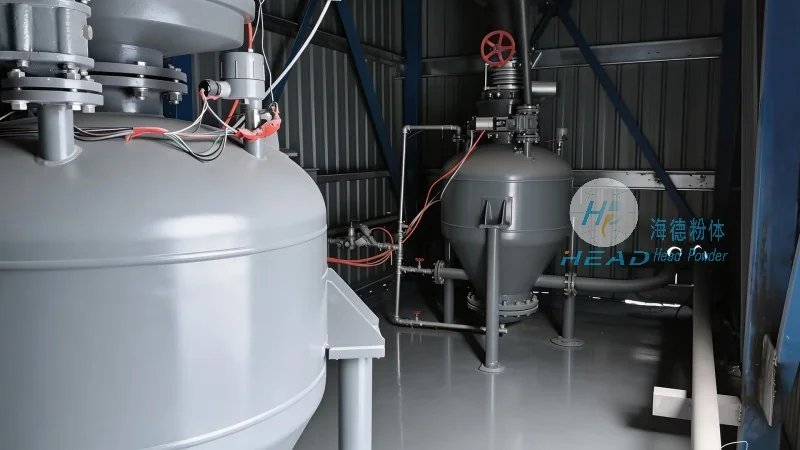
The pneumatic conveying system for cement powder typically consists of several essential components that work in tandem to ensure smooth material transport. These include the material feed hopper, the air supply system (usually a blower or compressor), the conveying pipeline, the control valves, and the discharge outlet. The material feed hopper is responsible for storing and feeding the cement powder into the system, while the air supply system generates the necessary airflow to move the material through the pipeline. The conveying pipeline, often made of stainless steel or other corrosion-resistant materials, ensures the material is transported efficiently without degradation. Control valves are used to regulate the airflow and material flow, maintaining optimal operating conditions. The discharge outlet is where the cement powder is released at the destination point.
Working Principle of Pneumatic Conveying
The core working principle of pneumatic conveying equipment is based on the use of air to transport solid materials. In the case of cement powder, the system operates by creating a pressure differential between the feed and discharge points. The air supply system generates a high-pressure airflow, which draws the cement powder from the feed hopper and propels it through the conveying pipeline. As the air and material mixture moves through the pipeline, the air velocity is maintained at a level sufficient to keep the powder particles suspended, preventing blockages and ensuring consistent flow. The pressure differential and air velocity are carefully controlled to match the specific characteristics of the cement powder, such as particle size, density, and moisture content, to achieve optimal conveying efficiency.
Operation Process of Cement Powder Pneumatic Conveying
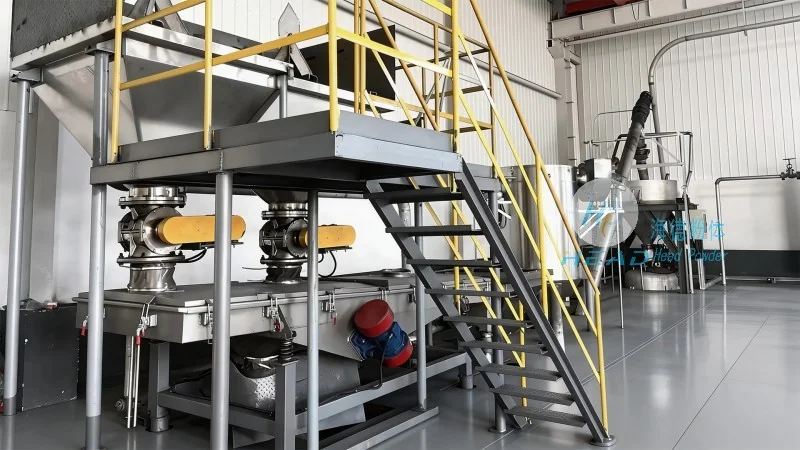
The operation process of a cement powder pneumatic conveying system involves several sequential steps that ensure the smooth and continuous transport of material. First, the cement powder is fed into the material hopper from the storage silo or production line. The hopper is equipped with a feeder mechanism, such as a rotary valve or screw feeder, which controls the rate of material discharge into the system. Simultaneously, the air supply system is activated, generating the required airflow. The air is introduced into the conveying pipeline at the feed end, creating a pressure that draws the cement powder into the air stream. As the material is drawn into the pipeline, it is carried along by the high-velocity air, moving towards the discharge point. The system is equipped with pressure sensors and flow meters to monitor the operational parameters, ensuring that the airflow and material flow rates are within the optimal range. At the discharge end, the air and material mixture passes through a separator, where the air is separated from the cement powder. The air is then discharged to the atmosphere or recirculated, while the cement powder is collected in a storage bin or directly to the next processing stage. The entire process is automated and controlled by a programmable logic controller (PLC), which adjusts the feeder speed and air pressure based on real-time monitoring data to maintain consistent performance.
Advantages and Applications of Pneumatic Conveying for Cement Powder
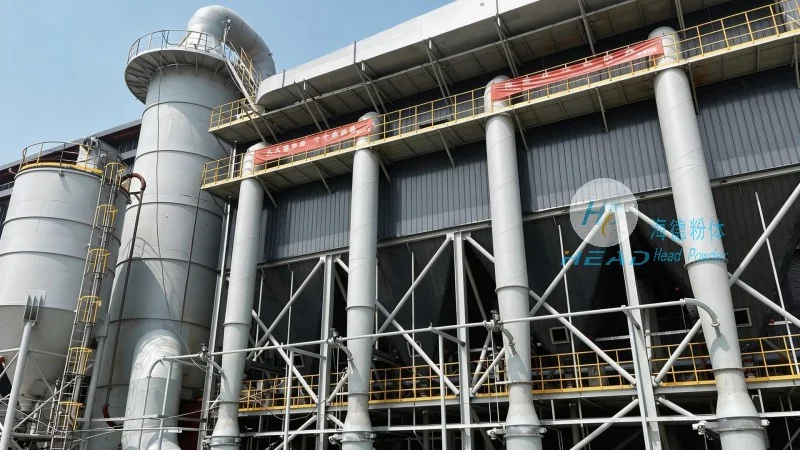
Pneumatic conveying equipment offers several advantages over traditional material handling methods, making it a preferred choice for cement powder transport. The primary benefits include dust-free operation, which improves workplace safety and reduces environmental pollution. The system is also highly flexible, allowing for easy reconfiguration and adaptation to changing production needs. Additionally, pneumatic conveying is energy-efficient compared to other methods, such as belt conveyors or bucket elevators, as it minimizes material degradation and reduces maintenance costs. The technology is widely used in various applications within the cement industry, including the transport of raw materials from storage silos to the production line, the movement of finished cement products to packaging facilities, and the transfer of additives or admixtures during the cement manufacturing process. The equipment is also suitable for handling other fine particulate materials, such as fly ash, slag, and other industrial powders, making it a versatile solution for diverse material handling needs.
Conclusion
In conclusion, the operation process and working principle of cement powder pneumatic conveying equipment are based on a well-coordinated system of components and mechanisms designed to efficiently transport fine particulate materials. The technology provides a reliable, cost-effective, and environmentally friendly solution for material handling in the cement industry. By understanding the key components, operational mechanisms, and practical applications of such equipment, users can optimize their material transport processes and enhance overall operational efficiency. As a leading provider in the field, Shandong HeadPowder Engineering Co., Ltd. specializes in the design, manufacturing, and installation of high-quality pneumatic conveying systems tailored to the specific needs of cement and other industrial applications.




