HeadPowder, a leading engineering company based in Shandong, China, specializes in the design, manufacturing, and installation of advanced pneumatic conveying systems tailored for handling silica fume materials. These systems are crucial in industrial applications where efficient and reliable material transport is essential, particularly in the construction and chemical sectors where silica fume is widely used as a supplementary cementitious material.
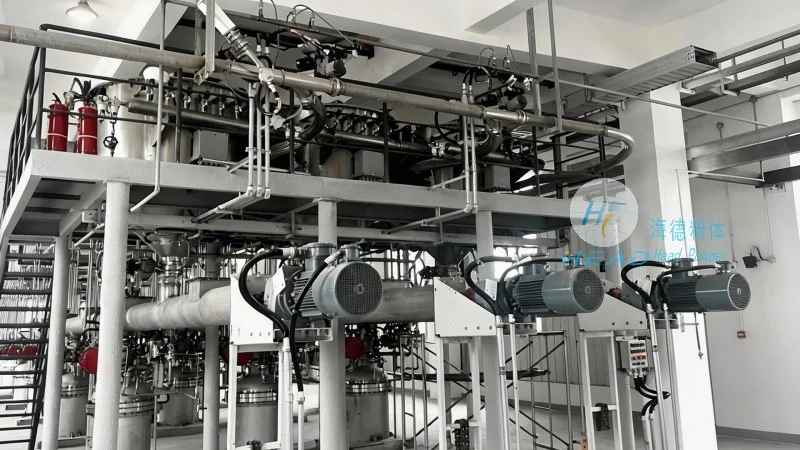
Overview of Silica Fume Pneumatic Conveying Systems
Silica fume, also known as microsilica, is a byproduct of silicon metal or ferrosilicon production, characterized by its extremely fine particle size and high surface area. Handling this material requires specialized equipment to prevent dust generation, ensure consistent flow, and maintain product quality. Pneumatic conveying systems offer a solution by using air or other gases to transport the material through pipelines, eliminating the need for mechanical components that could cause contamination or degradation.
Key Components of the Pneumatic Conveying Equipment
The core components of a silica fume pneumatic conveying system include the material feed hopper, air compressor or blower, conveying pipeline, control valves, and dust collection or filtration units. The feed hopper is designed to store and meter the silica fume, ensuring a steady supply to the system. The air compressor generates the necessary pressure to move the material through the pipeline, with the blower providing a lower pressure, more energy-efficient option for certain applications. The conveying pipeline is typically made of stainless steel or other corrosion-resistant materials to withstand the abrasive nature of silica fume particles. Control valves regulate the flow rate and direction of the material and air, allowing for precise control over the conveying process. Finally, dust collection systems are integrated to capture any airborne particles, ensuring compliance with environmental regulations and maintaining a clean working environment.
Operation Process of the Pneumatic Conveying System
The operation of a silica fume pneumatic conveying system begins with the loading of the material into the feed hopper. The hopper is equipped with a metering device, such as a rotary valve or a screw feeder, which controls the flow rate of the silica fume into the conveying line. Simultaneously, the air compressor or blower starts operating, generating a flow of air that is introduced into the pipeline at the inlet of the feed hopper. The air flow creates a negative pressure or positive pressure within the pipeline, depending on the system design, which pulls or pushes the silica fume particles along with the air stream. As the material travels through the pipeline, it is suspended and transported to the destination point, such as a storage silo or a processing unit. The system may include intermediate pulse jets or airlocks to prevent material buildup and ensure smooth operation. At the receiving end, the material is separated from the air using a cyclone separator or a bag filter, and the air is then discharged or recirculated back into the system to conserve energy.
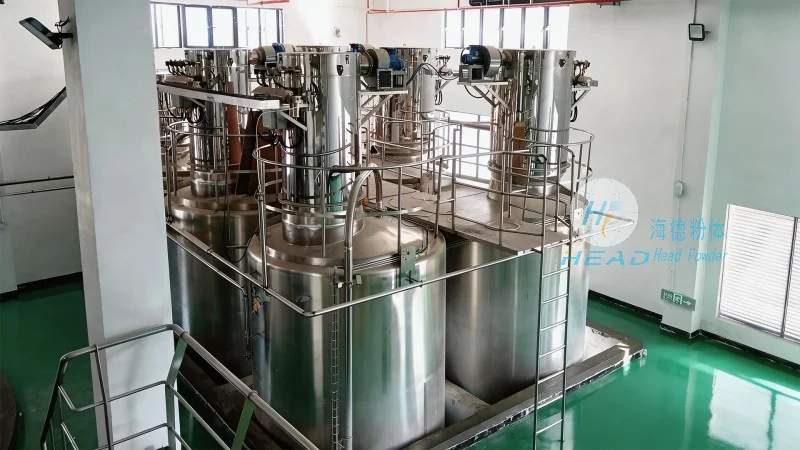
Working Principle of the Pneumatic Conveying System
The working principle of a pneumatic conveying system for silica fume relies on the interaction between the material particles and the air flow. In a positive pressure system, the air compressor pushes air through the pipeline, creating a positive pressure that forces the material to move forward. The material is suspended in the air stream due to the drag force exerted by the air, and the particle size and density of the silica fume determine the required air velocity for effective transport. In a negative pressure system, the blower creates a vacuum at the receiving end, drawing the material and air into the pipeline. The material is then carried by the air flow towards the discharge point. The efficiency of the system depends on factors such as the air velocity, pipeline diameter, and the length of the conveying line. Proper design and maintenance of the components are critical to ensure optimal performance and minimize energy consumption.
Advantages of Using Pneumatic Conveying for Silica Fume
Implementing a pneumatic conveying system for silica fume offers several advantages over traditional mechanical conveying methods. First, it eliminates the need for moving parts in contact with the material, reducing the risk of contamination and wear. Second, the system provides a closed-loop operation, preventing dust emissions and protecting the environment. Third, it allows for precise control over the material flow rate and direction, ensuring consistent quality of the transported material. Fourth, the system is flexible and can be easily integrated with existing industrial processes, adapting to changes in production requirements. Finally, pneumatic conveying systems are energy-efficient, especially when using low-pressure blowers, and can reduce overall operational costs compared to other transport methods.
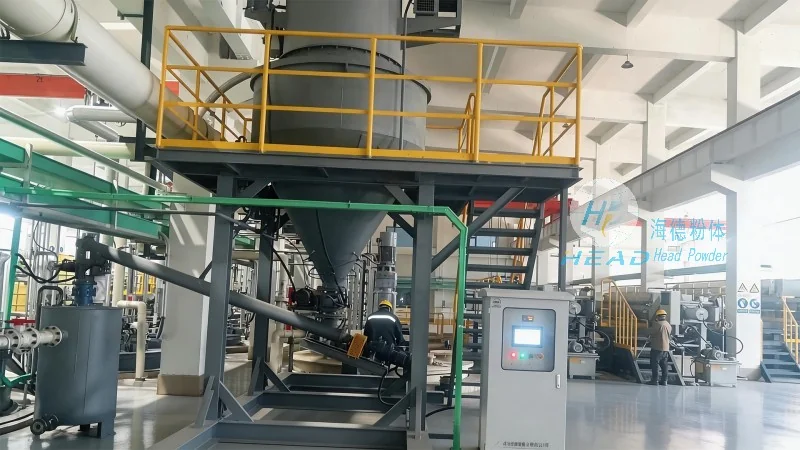
Application Examples and Industries
Silica fume pneumatic conveying systems are widely used in various industries that rely on silica fume as a key ingredient. In the construction industry, these systems are employed in concrete production facilities to transport silica fume from storage silos to mixing plants. In the chemical industry, they are used in the manufacturing of high-performance cementitious materials, where consistent quality is paramount. Additionally, in the steel and foundry sectors, pneumatic conveying systems help in the transport of silica fume used as a refractory material or a component in the production of ferroalloys. The versatility of the system makes it suitable for a range of applications where efficient and clean material handling is essential.
Maintenance and Operational Considerations
To ensure the long-term reliability and efficiency of a silica fume pneumatic conveying system, regular maintenance is essential. This includes checking the air compressor or blower for proper operation, inspecting the conveying pipeline for any blockages or leaks, and cleaning the dust collection systems to maintain optimal performance. The feed hopper and metering devices should be inspected for wear and tear, and the control valves should be calibrated to ensure accurate flow control. Additionally, the system should be monitored for any signs of air leakage or material buildup, which can indicate potential issues that need to be addressed promptly. Proper training of operators on the system's operation and maintenance procedures is also crucial to prevent accidents and ensure compliance with safety regulations.
Conclusion
HeadPowder's pneumatic conveying equipment for silica fume materials exemplifies advanced engineering solutions designed to meet the demanding requirements of modern industrial applications. By leveraging the principles of pneumatic transport, these systems provide efficient, reliable, and environmentally friendly material handling solutions. With a focus on quality and customer satisfaction, HeadPowder continues to innovate and provide tailored solutions that enhance productivity and reduce operational costs for its clients. The company's commitment to excellence and its expertise in the field make it a trusted partner for businesses seeking to optimize their silica fume handling processes.




