HeadPowder, a leading manufacturer based in Shandong, China, specializes in providing high-efficiency pneumatic conveying systems for quicklime powder. This equipment is designed to handle the transportation of quicklime powder from storage silos to processing units with precision and reliability. The following sections will delve into the operational process and working principles of such systems, highlighting key components and their functions.
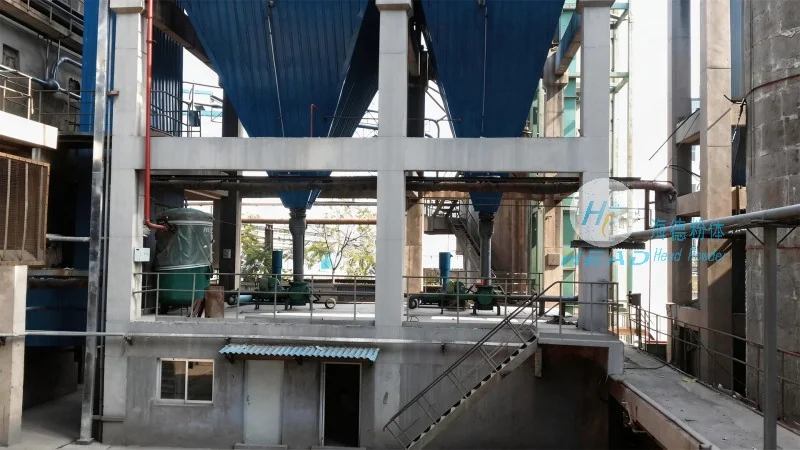
Key Components of Pneumatic Conveying Systems
The pneumatic conveying system for quicklime powder typically consists of several critical components that work in tandem to ensure smooth material transport. These include a storage silo, a feeder, a conveying line, a receiver, and a dust collection system. Each component plays a vital role in the overall functionality of the equipment.
The storage silo is used to hold the quicklime powder in bulk, providing a stable source of material. The feeder, often a rotary valve or a screw feeder, regulates the flow of powder from the silo into the conveying line. The conveying line, usually made of stainless steel or other corrosion-resistant materials, transports the powder under pressure using air or other gases. The receiver is where the quicklime powder is deposited at the destination point. The dust collection system, such as a bag filter or an electrostatic precipitator, captures any airborne particles to maintain air quality and prevent contamination.
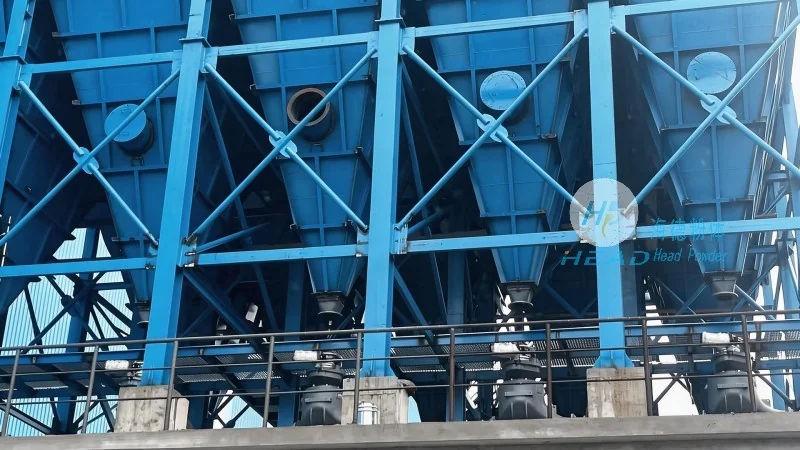
Operation Process of Quicklime Powder Pneumatic Conveying
The operation process of the quicklime powder pneumatic conveying system begins with the material being loaded into the storage silo. Once the silo is filled, the feeder starts to discharge the powder at a controlled rate. The feeder ensures a consistent flow, preventing overloading or underloading of the conveying line. Simultaneously, the conveying line is pressurized with air or another gas, creating a flow that pulls the powder particles along the line. The powder is carried in a dilute phase or a dense phase, depending on the system design and the material properties. The dilute phase system uses higher air velocities to transport the powder, while the dense phase system uses lower velocities with higher material concentrations. The receiver at the end of the line collects the quicklime powder, and the dust collection system filters the exhaust air to remove any residual particles.
Working Principle of the System
The working principle of the quicklime powder pneumatic conveying system is based on the principle of fluidization and pneumatic transport. The system uses air as the conveying medium, which is introduced into the conveying line under pressure. The pressure difference between the inlet and the outlet of the line creates a flow that moves the powder particles. The powder particles are suspended in the air stream, and their movement is governed by the velocity of the air and the particle size and density. The system is designed to maintain a stable flow rate, ensuring that the powder is transported efficiently without clogging or excessive pressure drops. The control system monitors the pressure, flow rate, and material level, adjusting the feeder and air supply as needed to maintain optimal operation.
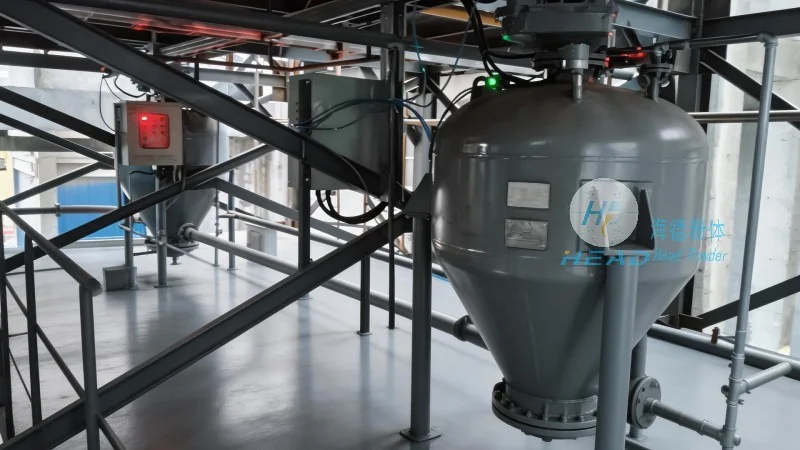
Advantages of Using Pneumatic Conveying for Quicklime Powder
There are several advantages to using pneumatic conveying systems for quicklime powder. First, the system is fully enclosed, which prevents dust contamination and protects the material from moisture and other environmental factors. This is particularly important for quicklime powder, which can be hygroscopic and reactive. Second, the system is highly efficient, with minimal material loss and low maintenance requirements. The enclosed design also reduces the risk of dust explosions, which is a significant safety concern in powder handling operations. Third, the system can handle a wide range of material properties, including different particle sizes and densities. This makes it suitable for various applications in the chemical, cement, and food industries. Finally, the system is flexible and can be easily integrated into existing production lines, allowing for seamless material transfer between different processes.
Applications in Industrial Settings
The quicklime powder pneumatic conveying equipment is widely used in various industrial applications. In the chemical industry, it is used to transport quicklime powder to reactors and other processing units. In the cement industry, it is used to move quicklime from storage to the clinker production line. In the food industry, it is used to transport quicklime for pH adjustment and other processing steps. The system is also used in the pharmaceutical industry for the handling of quicklime in laboratory and production settings. The versatility of the system makes it an essential component in many industrial processes that require efficient and reliable material transport.




