HeadPowder, a leading provider of industrial material handling solutions, specializes in the design and implementation of pneumatic conveying systems tailored for zinc calcine materials. This article delves into the operational processes and underlying principles that ensure efficient and reliable material transport in industrial settings.
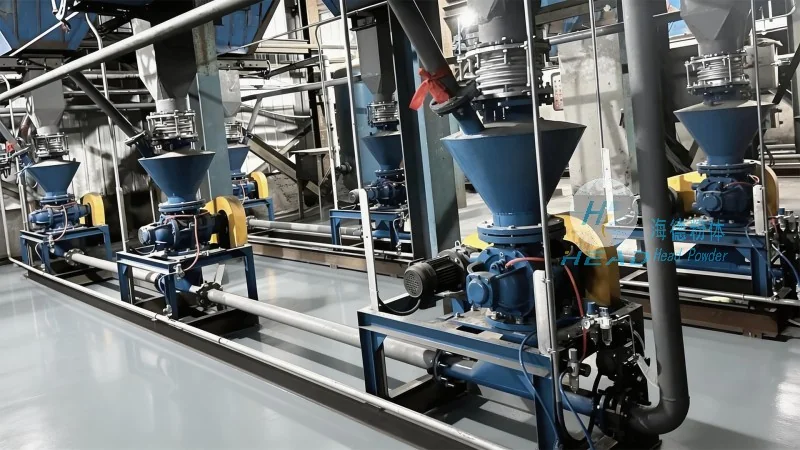
Understanding Pneumatic Conveying Systems for Zinc Calcine
Zinc calcine, a byproduct of the zinc smelting process, requires specialized handling due to its chemical properties and particle size distribution. Pneumatic conveying offers a non-contact, dust-free method to transport these materials, making it ideal for applications where traditional belt or bucket elevators may pose challenges. The system operates by using compressed air to move the material through a pipeline network, ensuring minimal product degradation and contamination.
The Core Components and Their Functions
A typical pneumatic conveying system for zinc calcine includes several key components, each playing a critical role in the overall operation. These components are designed to work in harmony to achieve consistent material flow and system efficiency.
1. Feed Hopper: The feed hopper is the initial point where zinc calcine is stored and prepared for transport. It is equipped with a feeder mechanism, such as a rotary valve or a screw feeder, which controls the flow rate of the material into the conveying line. This component ensures a steady and controlled supply of material, preventing blockages and maintaining system stability.
2. Conveying Line: The conveying line is the main pipeline through which the zinc calcine is transported. It is typically made of stainless steel or other corrosion-resistant materials to withstand the chemical environment of the zinc calcine. The line is designed with appropriate bends and fittings to guide the material smoothly, minimizing pressure losses and ensuring consistent velocity.
3. Compressor and Air System: The compressor generates the necessary compressed air to propel the material through the conveying line. The air system includes filters, regulators, and moisture separators to ensure the air is clean and dry, preventing contamination of the zinc calcine and extending the life of the system components.
4. Receiver and Discharge Unit: The receiver is the final destination where the zinc calcine is deposited. It is equipped with a discharge valve or a rotary valve to control the release of the material. The receiver is designed to handle the material's characteristics, such as its bulk density and flowability, to ensure efficient unloading.
Operating Process: Step-by-Step Breakdown
The operation of a pneumatic conveying system for zinc calcine involves a series of coordinated steps that ensure the material is transported from the feed hopper to the receiver without interruption. Here is a detailed breakdown of the process:
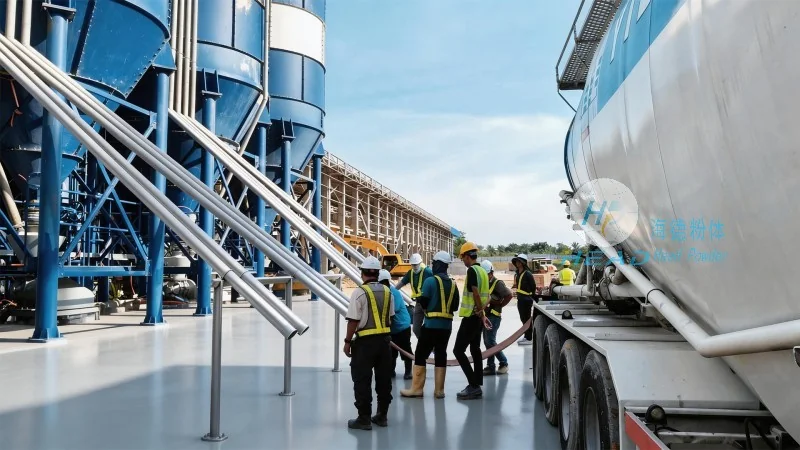
1. Material Loading: The zinc calcine is loaded into the feed hopper from a storage silo or a batch container. The feeder mechanism regulates the flow rate, ensuring a consistent feed into the conveying line.
2. Air Injection and Material Suspension: Compressed air is introduced into the conveying line at the feed point. The air velocity is sufficient to lift and suspend the zinc calcine particles, creating a slurry of material and air. This suspension allows the material to be transported through the pipeline.
3. Pipeline Transport: The suspended material travels through the conveying line, guided by bends and fittings. The air velocity is maintained at a level that prevents particle settling and ensures smooth flow. The system is designed to handle the specific particle size and density of zinc calcine, optimizing the conveying efficiency.
4. Material Deposition: At the receiver end, the air velocity decreases, causing the zinc calcine to settle out of the air stream. The material is then discharged into the receiver, where it is collected for further processing or storage.
5. Air Exhaust and Filtration: The exhaust air, now containing fine particles of zinc calcine, passes through a filter system. The filter captures the particles, preventing them from being released into the environment. The clean air is then discharged or recirculated, depending on the system design.
Working Principle: The Physics Behind Pneumatic Conveying
The working principle of pneumatic conveying for zinc calcine is based on the fundamental principles of fluid dynamics and particle mechanics. The system relies on the interaction between the air flow and the material particles to achieve transport. The key principles include:
1. Velocity and Particle Lift: The air velocity in the conveying line must be sufficient to overcome the gravitational force acting on the zinc calcine particles. The minimum velocity required to lift the particles is known as the "minimum conveying velocity." This velocity is determined by the particle size, density, and shape of the zinc calcine, as well as the air pressure and line diameter.
2. Pressure Drop and Energy Efficiency: The pressure drop along the conveying line is a critical factor in the system's energy consumption. The system is designed to minimize pressure losses by optimizing the line diameter, bends, and fittings. This ensures that the compressor operates efficiently, reducing energy costs and extending its lifespan.
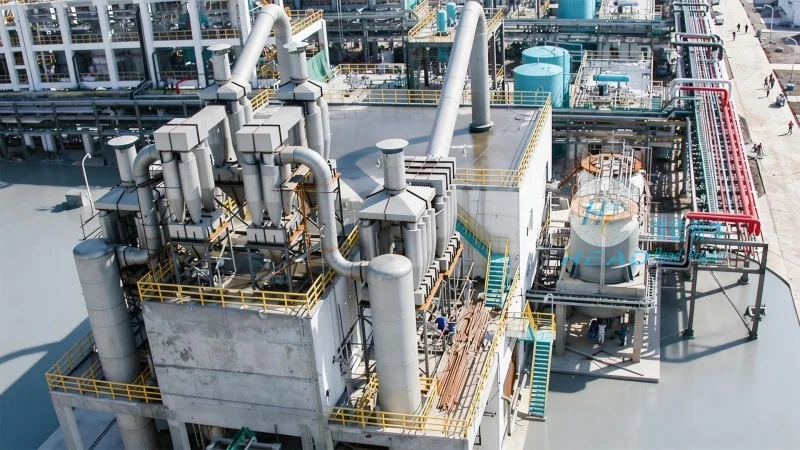
3. Flow Rate and System Capacity: The flow rate of the zinc calcine is controlled by the feeder mechanism and the air pressure. The system's capacity is determined by the maximum flow rate that can be achieved without causing blockages or excessive pressure drop. Proper sizing of the components, such as the feeder and compressor, is essential to match the required production capacity.
Advantages of Pneumatic Conveying for Zinc Calcine
Implementing a pneumatic conveying system for zinc calcine offers several advantages over traditional material handling methods. These benefits contribute to improved operational efficiency and product quality.
1. Non-Contact Handling: Pneumatic conveying does not involve physical contact between the material and the equipment, reducing the risk of contamination and product degradation. This is particularly important for zinc calcine, which may be sensitive to moisture or other environmental factors.
2. Dust-Free Operation: The enclosed system prevents dust and particles from being released into the environment, improving workplace safety and reducing the risk of respiratory issues for operators.
3. Reduced Maintenance: Compared to belt or bucket elevators, pneumatic conveying systems have fewer moving parts, resulting in lower maintenance requirements and reduced downtime.
4. Flexibility and Scalability: Pneumatic conveying systems can be easily modified or expanded to accommodate changes in production volume or material characteristics. This flexibility makes them suitable for a wide range of industrial applications.
Conclusion: Ensuring Efficient Material Handling with HeadPowder
HeadPowder Engineering Co., Ltd., based in Shandong, China, specializes in the design and implementation of advanced pneumatic conveying systems for zinc calcine materials. By leveraging the principles of fluid dynamics and particle mechanics, their systems ensure efficient, reliable, and safe transport of zinc calcine. The company's expertise in material handling solutions helps industrial clients optimize their operations, reduce costs, and maintain product quality. With a focus on innovation and customer satisfaction, HeadPowder continues to provide cutting-edge solutions for the zinc industry and beyond.




