Understanding the operation process and working principle of sugar cane molasses pneumatic conveying is crucial for optimizing material handling in the sugar industry. This technology, provided by Shandong HeadPowder Engineering Co., Ltd., a leading manufacturer in China, ensures efficient and reliable transport of molasses, a key byproduct in sugar production.
Overview of Pneumatic Conveying Systems for Molasses
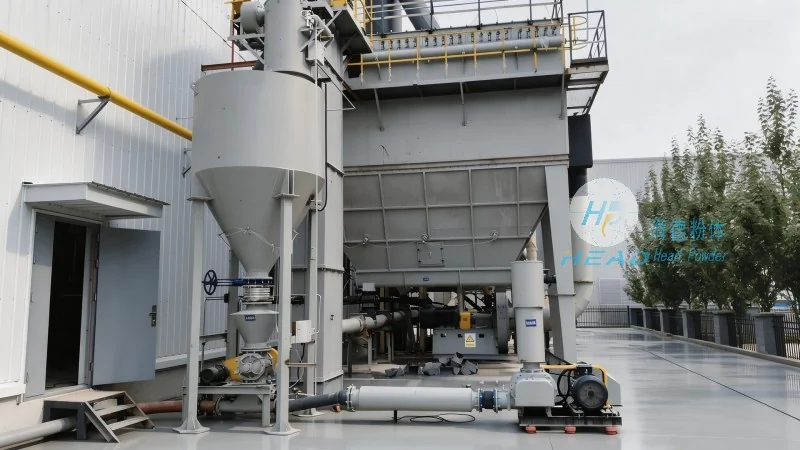
Pneumatic conveying systems are designed to transport bulk materials like sugar cane molasses through a pipeline using air or gas as the conveying medium. These systems offer several advantages over traditional mechanical conveying methods, including reduced equipment wear, lower maintenance costs, and the ability to handle materials that are difficult to transport via conventional means. The system typically consists of a hopper, a feeder, a conveying line, and a receiver, all working in tandem to move molasses from the source to the destination.
Key Components and Their Functions
Each component of the pneumatic conveying system plays a vital role in the efficient operation of molasses transport. The hopper serves as a storage container, holding the molasses before it is fed into the system. The feeder, often a rotary valve or a screw feeder, controls the flow rate of the molasses into the conveying line, ensuring a consistent and controlled feed. The conveying line, usually made of stainless steel or other corrosion-resistant materials, is the main pathway for the molasses and air mixture. The receiver at the end of the line collects the conveyed molasses, separating it from the air using a cyclone or other separation equipment.
Operation Process of Molasses Pneumatic Conveying
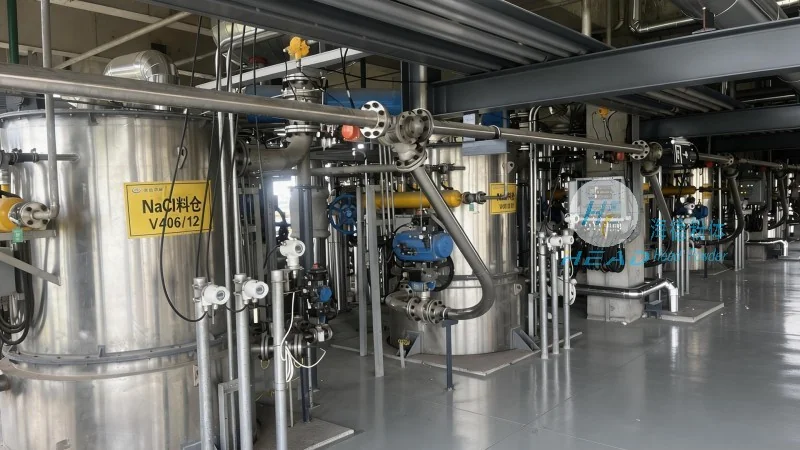
The operation process begins with the molasses being loaded into the hopper. The feeder then regulates the discharge rate, allowing a controlled amount of molasses to enter the conveying line. Simultaneously, air is introduced into the system, either by a blower or a compressor, creating a pressure differential that propels the molasses through the pipeline. As the molasses travels through the line, it is mixed with the air, forming a slurry that moves efficiently. At the receiving end, the air and molasses are separated, with the molasses collected in the receiver and the air either vented or recycled back into the system.
Working Principle: The Role of Air Pressure and Flow
The working principle of molasses pneumatic conveying relies on the principles of fluid dynamics and pressure. The system operates under either positive pressure (where air is forced into the line) or negative pressure (where air is drawn out of the line). In positive pressure systems, a blower generates the necessary air pressure to push the molasses through the pipeline. The velocity of the air and the size of the particles determine the conveying capacity and efficiency. Proper air flow rates are critical to prevent blockages and ensure smooth operation. The pressure differential created by the blower or vacuum pump provides the force needed to move the molasses, while the design of the conveying line and components minimizes friction and energy loss.
Advantages of Using Pneumatic Conveying for Molasses
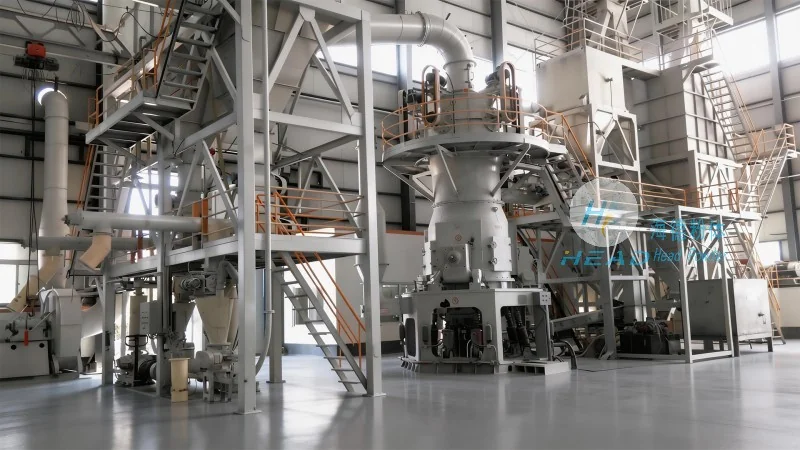
Implementing pneumatic conveying systems for sugar cane molasses offers numerous benefits. Firstly, it reduces the risk of contamination and spoilage, as the material is enclosed within the pipeline, protecting it from external factors. Secondly, it improves safety by eliminating the need for manual handling of molasses, which can be messy and hazardous. Thirdly, the system is highly adaptable, allowing for changes in the conveying distance or volume without significant modifications. Additionally, the reduced maintenance requirements and lower energy consumption compared to traditional methods make it a cost-effective solution for sugar processing facilities.
Application in Sugar Industry
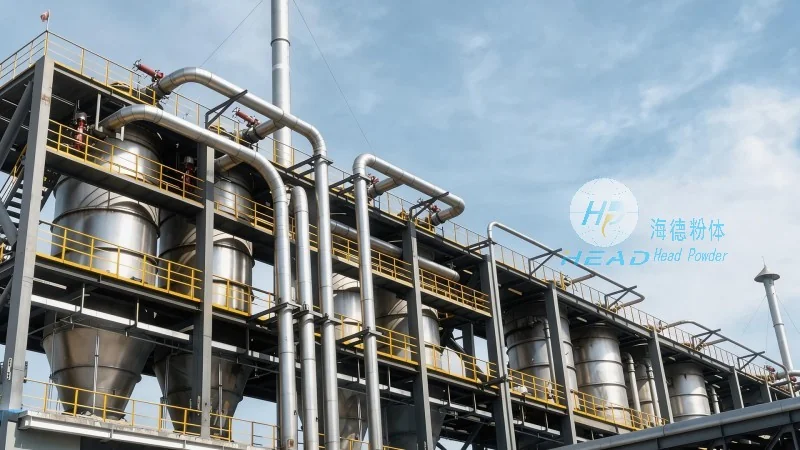
In the sugar industry, molasses pneumatic conveying is widely used in various stages of production. It is commonly employed to transport molasses from the extraction process to storage tanks or to other processing units, such as for the production of ethanol or other byproducts. The efficiency of the system ensures that molasses is moved quickly and reliably, supporting the overall productivity of the sugar plant. By leveraging the expertise of Shandong HeadPowder Engineering Co., Ltd., sugar manufacturers can enhance their material handling capabilities and improve operational efficiency.
Conclusion
Understanding the operation process and working principle of sugar cane molasses pneumatic conveying is essential for optimizing material handling in the sugar industry. The technology, offered by Shandong HeadPowder Engineering Co., Ltd., provides a reliable and efficient solution for transporting molasses, contributing to the overall productivity and cost-effectiveness of sugar processing operations. With its advantages in safety, contamination control, and adaptability, pneumatic conveying has become a preferred method for handling molasses in modern sugar plants.




