Ferric sulfate, also known as ferric sulphate, is a widely used chemical compound in various industrial applications, including water treatment, wastewater management, and chemical manufacturing. The efficient and reliable transportation of this material is crucial for maintaining production efficiency and ensuring safety in industrial operations. This article provides a detailed overview of the operation process and working principle of specialized equipment designed for handling ferric sulfate, highlighting key components, operational steps, and the technological advancements that enhance its performance.
Key Components of Ferric Sulfate Material Handling Systems
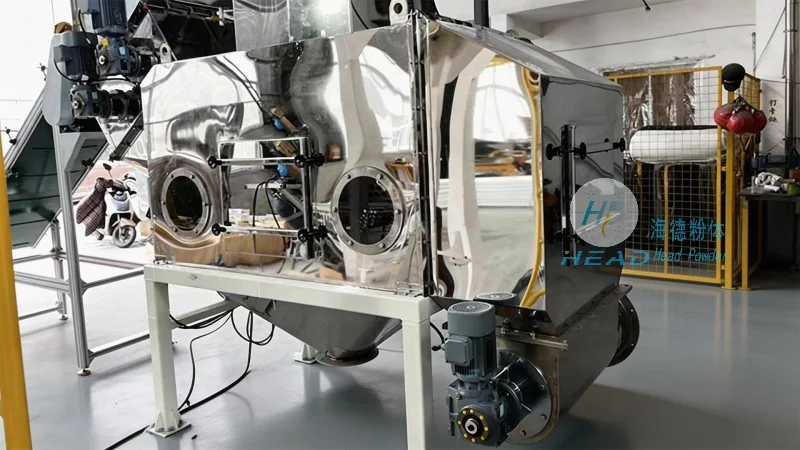
The operation of ferric sulfate material handling equipment relies on a combination of specialized components that work in tandem to ensure smooth and safe material transport. These components typically include feed hoppers, conveyor systems (such as belt conveyors or screw conveyors), control panels, and safety mechanisms. The feed hopper is responsible for storing and feeding the ferric sulfate material into the conveyor system. It is designed with a sloped bottom to facilitate the flow of material, preventing clogging and ensuring consistent feeding. The conveyor system, which may vary in type depending on the application, is responsible for transporting the material from the hopper to the discharge point. Belt conveyors are commonly used for bulk material handling due to their high capacity and ability to handle heavy loads, while screw conveyors are preferred for applications requiring more precise control over material flow, such as in processing lines where the material needs to be mixed or blended with other substances. The control panel is equipped with sensors and controls that monitor the system's operation, allowing operators to adjust parameters like speed, pressure, and flow rate as needed. Safety mechanisms, including emergency stop buttons and overload protection systems, are integrated into the design to prevent accidents and ensure compliance with safety regulations.
Operation Process of Ferric Sulfate Material Handling Equipment
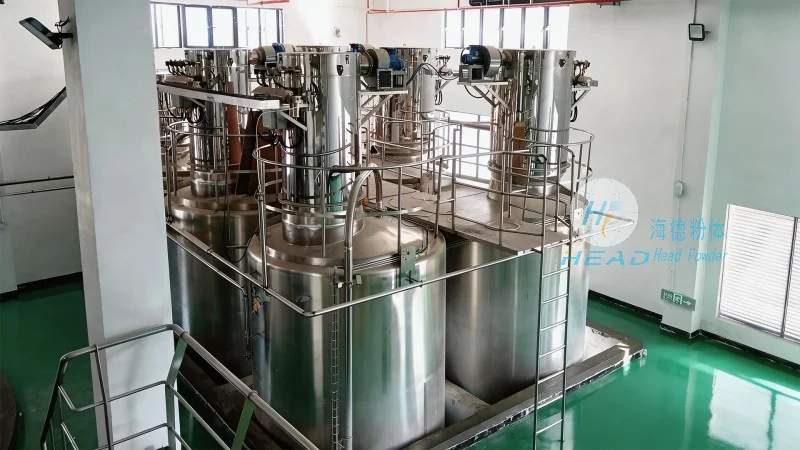
The operation process of ferric sulfate material handling equipment involves several sequential steps that ensure the material is transported efficiently and safely. The process begins with the loading of ferric sulfate into the feed hopper. The hopper is typically filled manually or via a bulk loading system, depending on the scale of operation. Once the hopper is filled, the conveyor system is activated, and the material is fed into the conveyor belt or screw. The material then moves along the conveyor path, guided by the design of the system, to the discharge point. At the discharge end, the material is released into a storage bin or directly into the processing equipment. The control panel continuously monitors the system's performance, adjusting the conveyor speed to maintain a consistent flow rate. Operators can also monitor the system's status through indicators on the control panel, which provide real-time feedback on parameters such as material level in the hopper, conveyor speed, and system pressure. The operation process is designed to minimize downtime and maximize throughput, ensuring that the material is transported with minimal loss and maximum efficiency.
Working Principle of Ferric Sulfate Material Handling Equipment
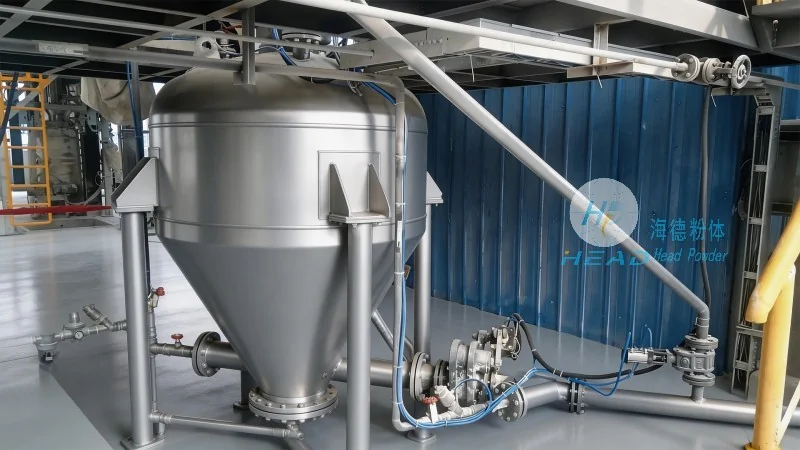
The working principle of ferric sulfate material handling equipment is based on the principles of mechanical transport and material flow control. The equipment operates by converting the potential energy of the material in the hopper into kinetic energy, which is then transferred to the conveyor system to move the material forward. The feed hopper's sloped design allows the material to flow under gravity, reducing the need for external power for initial feeding. The conveyor system then uses mechanical energy, such as motor-driven belts or rotating screws, to transport the material. The control panel plays a critical role in regulating the system's operation by adjusting the speed of the conveyor and the flow rate of the material. Sensors, such as level sensors and pressure sensors, are integrated into the system to detect changes in material levels and system pressure, providing feedback to the control panel. This feedback loop allows the system to maintain optimal operation conditions, preventing overloading or underloading of the conveyor. The safety mechanisms are designed to intervene in case of abnormal conditions, such as excessive pressure or material blockage, to prevent damage to the equipment and ensure the safety of operators. The overall working principle is designed to be robust and reliable, capable of handling the physical properties of ferric sulfate, such as its density and flow characteristics, while maintaining high efficiency and safety standards.
Technological Advancements in Ferric Sulfate Material Handling
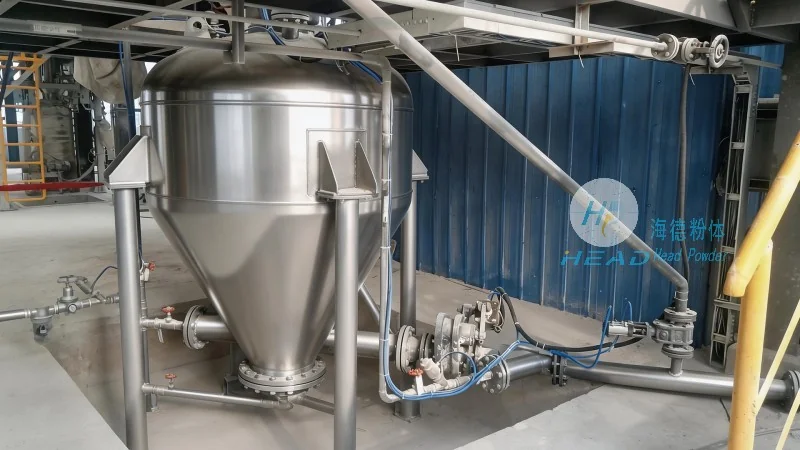
Over the years, technological advancements have significantly improved the performance and efficiency of ferric sulfate material handling equipment. Modern systems now incorporate features such as automated control systems, real-time monitoring, and predictive maintenance capabilities. Automated control systems allow for remote operation and monitoring, reducing the need for manual intervention and improving operational efficiency. Real-time monitoring systems provide operators with instant feedback on the system's performance, enabling them to identify and address issues promptly. Predictive maintenance capabilities use data from sensors to predict when maintenance is needed, reducing downtime and maintenance costs. Additionally, advancements in material handling technology, such as the use of high-strength materials and improved conveyor designs, have enhanced the durability and longevity of the equipment. These technological advancements have made ferric sulfate material handling equipment more reliable, efficient, and cost-effective, meeting the demands of modern industrial applications.




