When it comes to efficient and reliable transportation of bulk materials like soybeans, pneumatic conveying systems have emerged as a preferred solution in the industrial sector. These systems utilize air or gas to move powders and granules through a pipeline network, offering a flexible and effective method for material handling. This article delves into the specifics of soybean pneumatic conveying equipment, exploring its structure, working principles, and practical applications in the agricultural and food processing industries.
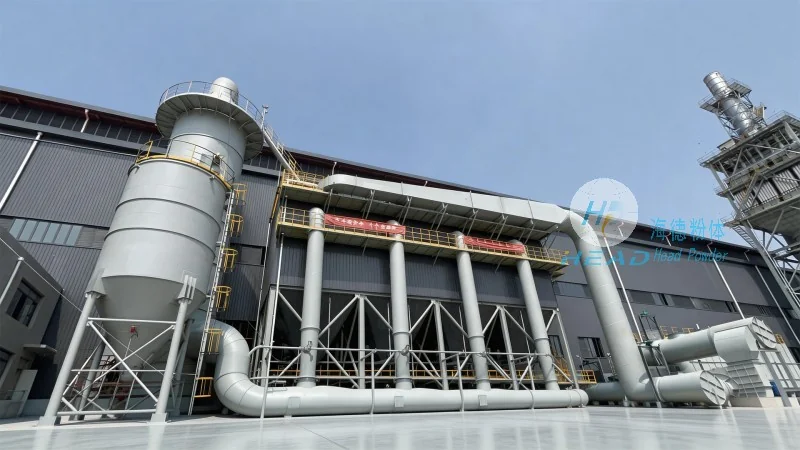
Understanding Pneumatic Conveying Systems
Pneumatic conveying, also known as powder handling systems, operates by creating a pressure differential between the inlet and outlet of a pipeline. This differential causes the material to be drawn or pushed through the system using compressed air or other gases. The technology is widely used for transporting various bulk materials, including grains, powders, and granules, with soybeans being a prime example due to their importance in food production and animal feed.
Structural Components of Pneumatic Conveying Equipment
The core components of a pneumatic conveying system for soybeans typically include a hopper or storage bin, a feeder, a conveying line, a separator or filter, and a receiver or discharge point. The hopper is where the soybeans are stored, and it is equipped with a feeder that controls the flow rate of the material into the system. The feeder ensures consistent and controlled discharge of the soybeans, preventing blockages and maintaining system efficiency. The conveying line is usually made of metal or plastic, designed to withstand the pressure and friction of the material being transported. The separator or filter is crucial for removing any air or dust particles from the system, ensuring clean and efficient operation. Finally, the receiver collects the soybeans at the end of the conveying line, completing the process.
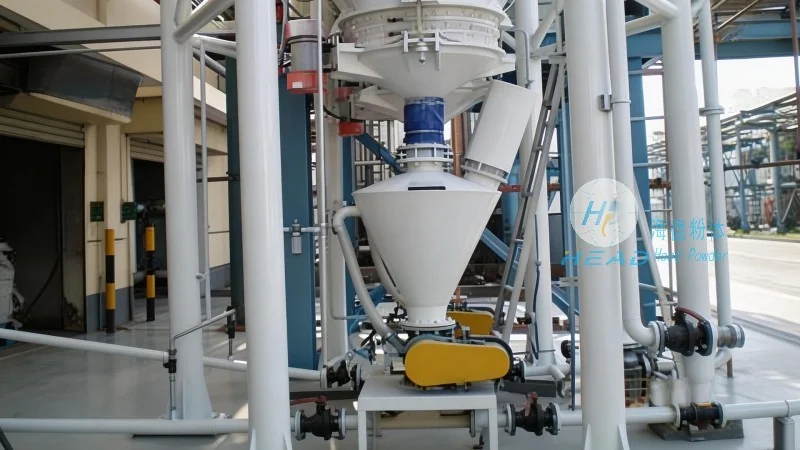
Working Principle of Powder Handling Equipment
The working principle of pneumatic conveying equipment involves the use of air to create a flow of material through the pipeline. In a typical system, compressed air is introduced into the conveying line at a specific pressure, which is higher than the ambient pressure. This pressure difference causes the soybeans to be lifted and moved along the line. The air and material mixture travels through the pipeline until it reaches the receiver, where the air is separated from the soybeans, often using a cyclone or other separation device. The separated air is then discharged, while the soybeans are collected in the receiver. The system can operate in either positive pressure or negative pressure modes, depending on the specific requirements of the application. Positive pressure systems use compressed air to push the material, while negative pressure systems use suction to draw the material.
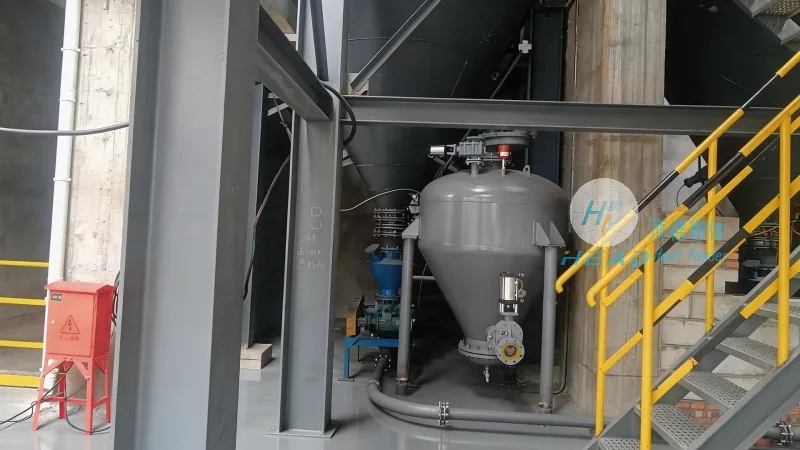
Application in Soybean Handling
Soybeans are a critical component in the food and agricultural industries, and their efficient handling is essential for maintaining quality and reducing losses. Pneumatic conveying equipment is particularly well-suited for soybean handling due to its ability to transport the material without direct contact, minimizing the risk of contamination and damage. The system is commonly used in soybean processing plants, where the beans are transported from storage bins to processing equipment such as hullers, decorticators, or extruders. In animal feed production, pneumatic conveying is used to move soybeans from storage to feed mills, ensuring a consistent supply of raw material. The flexibility of the system allows it to be integrated into existing production lines, adapting to different processing requirements and production volumes.
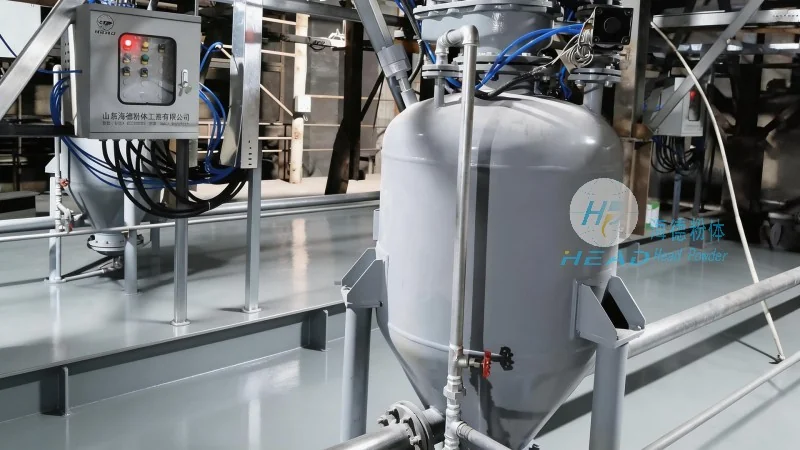
Advantages of Using Pneumatic Conveying for Soybeans
There are several advantages to using pneumatic conveying equipment for soybean handling. First, the system is highly efficient, with minimal material loss and low energy consumption compared to traditional methods such as belt conveyors or bucket elevators. The lack of moving parts in the conveying line reduces maintenance requirements and extends the lifespan of the equipment. Second, pneumatic conveying is a clean and hygienic method, suitable for food processing applications where contamination control is paramount. The enclosed system prevents dust and particles from escaping into the environment, maintaining a safe and healthy working environment. Third, the system is flexible and can be easily modified or expanded to accommodate changes in production volume or processing requirements. This adaptability makes it an ideal choice for industries that experience fluctuations in demand or need to scale their operations.
Technical Specifications and Considerations
When selecting a pneumatic conveying system for soybean handling, several technical specifications and considerations must be taken into account. The first is the capacity of the system, which is determined by the required flow rate of soybeans. The system must be able to handle the desired volume of material without causing blockages or pressure drops. The second is the pressure and air flow rate, which are critical for ensuring efficient material transport. The pressure must be sufficient to overcome the resistance in the pipeline and the weight of the material, while the air flow rate must be optimized to prevent excessive energy consumption. The third is the material characteristics, such as particle size, density, and moisture content, which affect the system's performance. Soybeans with larger particle sizes or higher moisture content may require higher pressure or different system configurations to ensure smooth operation. Finally, the system's durability and corrosion resistance are important considerations, especially in environments where the soybeans may contain moisture or other corrosive substances.




