HeadPowder, a leading manufacturer based in Shandong, China, specializes in the design, production, and supply of advanced material handling equipment tailored for the transportation of baking soda. This article provides a comprehensive overview of the operational process and underlying principles of such equipment, highlighting the key components, functional mechanisms, and practical applications that ensure efficient and reliable material handling in industrial settings.
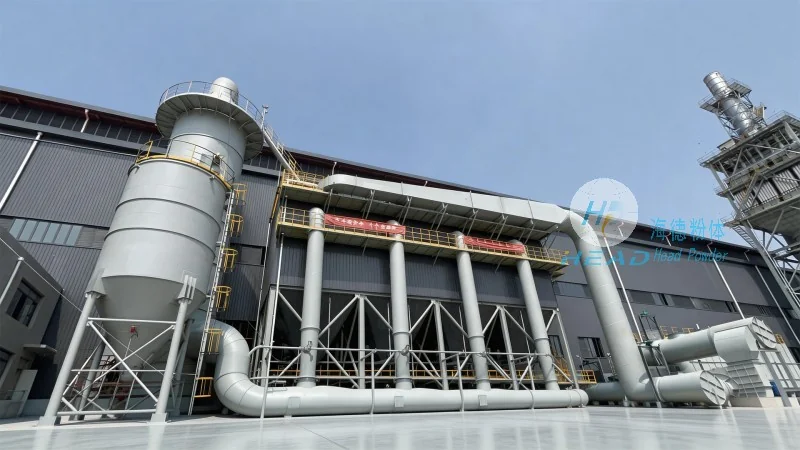
The material handling equipment for baking soda typically comprises several core components, including feeders, conveyors, storage silos, and control systems. The entire system is engineered to handle the unique physical and chemical properties of baking soda, such as its light weight, fine particle size, and potential for dust generation. Each component plays a critical role in the seamless flow of material from storage to processing or packaging stages.
At the heart of the operation is the feeding mechanism, which may include rotary valves, screw conveyors, or pneumatic feeders. These devices are designed to evenly distribute the baking soda from the storage silo into the conveyor system. The choice of feeder depends on factors like the material's flowability, bulk density, and the required discharge rate. For instance, a rotary valve is often used for its ability to control the flow rate precisely, preventing overloading or underflow that could disrupt the entire process.
Conveyor systems are the backbone of the material handling process, responsible for transporting the baking soda from one location to another within the facility. Common types include belt conveyors, chain conveyors, and pneumatic conveyors. Belt conveyors are widely used due to their simplicity, durability, and ability to handle large volumes of material. They consist of a continuous belt looped over rollers, with the material placed on the belt and moved by the rotation of the rollers. The speed and inclination of the belt can be adjusted to control the material's velocity and the time it spends in transit.
Chain conveyors, on the other hand, use a series of interconnected links or chains to move the material. They are particularly suitable for handling bulkier or more abrasive materials, as the chains can withstand higher loads and provide better traction. Pneumatic conveyors utilize air pressure to transport the material through a pipeline system. This method is ideal for fine powders like baking soda, as it minimizes dust and allows for long-distance transportation without the need for multiple transfer points.
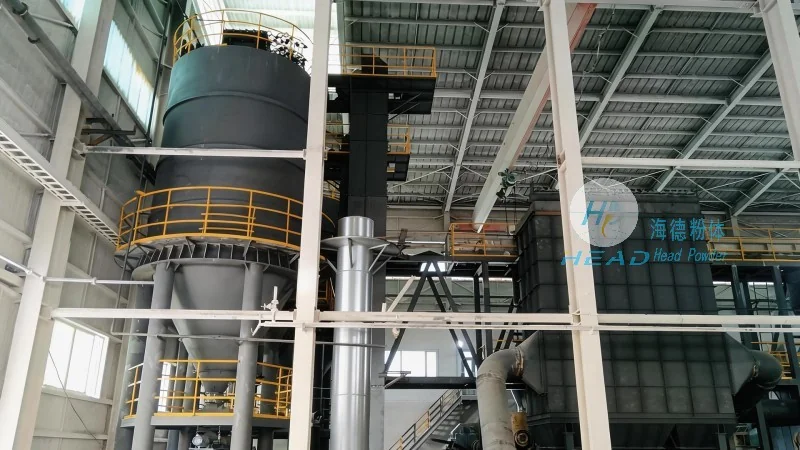
Storage silos are integral to the system, providing a controlled environment for storing large quantities of baking soda. These silos are typically made of stainless steel or other corrosion-resistant materials to prevent contamination and ensure the material's quality is maintained. The silos are equipped with level sensors and pressure relief valves to monitor and regulate the material's level and pressure, preventing overfilling or pressure buildup that could lead to safety hazards.
The control system is a critical component that manages the entire operation, ensuring that all parts of the equipment function in harmony. It includes sensors, controllers, and automation software that monitor parameters such as flow rate, pressure, temperature, and material level. The system can be programmed to adjust the operation of feeders, conveyors, and silos based on real-time data, optimizing the process for efficiency and minimizing downtime. For example, if the conveyor speed is too slow, the control system can increase the feeder's output to maintain a consistent flow rate, preventing bottlenecks in the system.
The working principle of the material handling equipment revolves around the principles of material flow and energy transfer. The system converts the potential energy stored in the material within the silo into kinetic energy as it is moved through the conveyor. This energy is provided by the motor-driven components, such as the rollers or chains, which rotate and propel the material forward. The control system ensures that this energy is used efficiently, minimizing energy consumption and maximizing the throughput of the system.
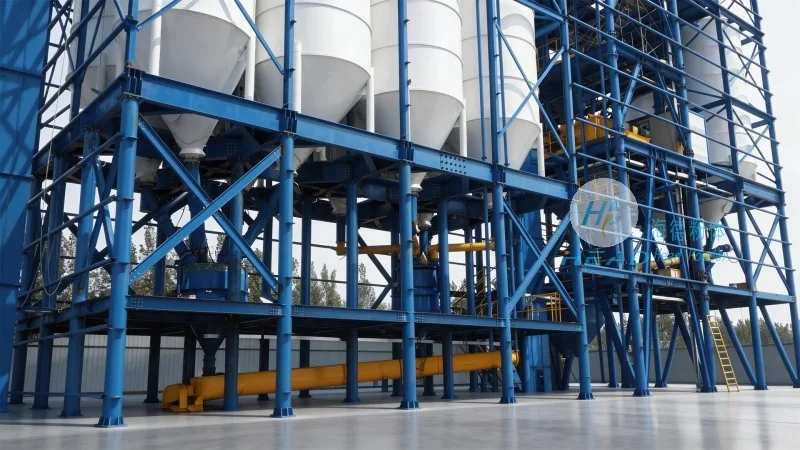
In terms of operational efficiency, the equipment is designed to minimize material loss and contamination. Dust collection systems are often integrated into the conveyor and silo areas to capture and filter any airborne particles, preventing environmental pollution and ensuring compliance with safety regulations. Additionally, the equipment is constructed with smooth surfaces and minimal dead zones to reduce the accumulation of material, which can lead to clogging or degradation of the product.
The application of this material handling equipment is widespread across various industries, including food processing, pharmaceuticals, and chemical manufacturing. In the food industry, for instance, the equipment is used to transport baking soda for baking and leavening purposes, ensuring that the product reaches the production line in a clean and consistent manner. In pharmaceutical applications, the equipment is used to handle baking soda as an excipient or raw material, maintaining the purity and quality of the final product.
HeadPowder's expertise in designing and manufacturing such equipment is built on years of experience and a commitment to quality. The company's engineers work closely with clients to understand their specific requirements and tailor the equipment to meet their needs. This collaborative approach ensures that the final product is not only efficient and reliable but also cost-effective and easy to maintain. The company's facilities in Shandong, China, are equipped with state-of-the-art technology and skilled workforce, enabling them to deliver high-quality equipment that meets international standards.
As the demand for efficient material handling solutions continues to grow, HeadPowder remains at the forefront of innovation, developing new technologies and improving existing systems to enhance performance and sustainability. The company's focus on customer satisfaction and product excellence has earned it a reputation as a trusted partner in the industry, providing reliable solutions for the transportation of baking soda and other bulk materials.




