When it comes to efficiently transporting bean powder and other fine powders, the bean powder pneumatic conveying equipment plays a crucial role in modern industrial processes. This equipment is designed to handle the unique challenges of moving powders like bean flour, ensuring a clean, efficient, and continuous transfer from one location to another. Understanding the structure and working principle of such equipment is essential for optimizing production lines and maintaining product quality. HeadPowder Engineering Co., Ltd., a leading manufacturer based in Shandong, China, specializes in the design and production of high-quality powder handling equipment.
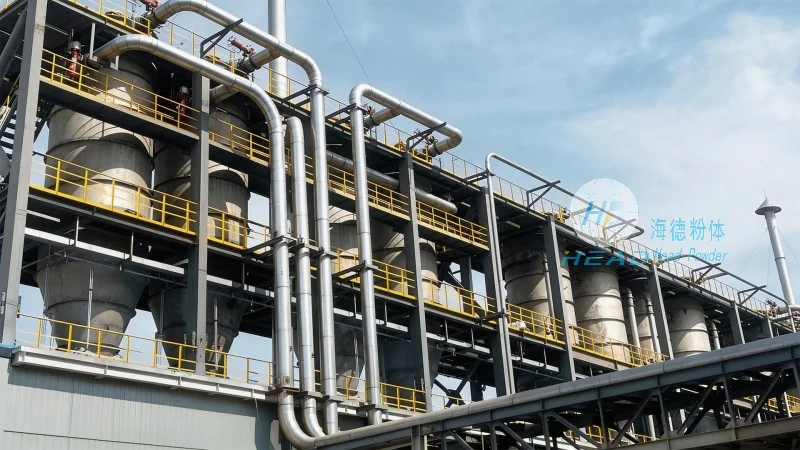
Pneumatic Conveying Basics: How It Works
Pneumatic conveying, also known as powder handling equipment, utilizes air or gas to transport solid particles. The system operates by creating a pressure difference between the inlet and outlet of the conveying line. In the case of bean powder, the equipment typically employs either positive pressure or negative pressure systems. Positive pressure systems blow air into the conveying line, pushing the powder forward, while negative pressure systems create a vacuum that draws the powder into the line. The choice between these systems depends on factors such as the powder's properties, the distance to be conveyed, and the required flow rate.
Key Components of the Bean Powder Pneumatic Conveying System
The bean powder pneumatic conveying equipment consists of several critical components that work in tandem to ensure smooth operation. The primary components include the feeder, which introduces the bean powder into the system; the conveying line, which transports the powder; the separator, which separates the powder from the air at the end of the line; and the air source, which provides the necessary pressure or vacuum. Each component is designed to handle the specific characteristics of bean powder, such as its density, moisture content, and flowability.
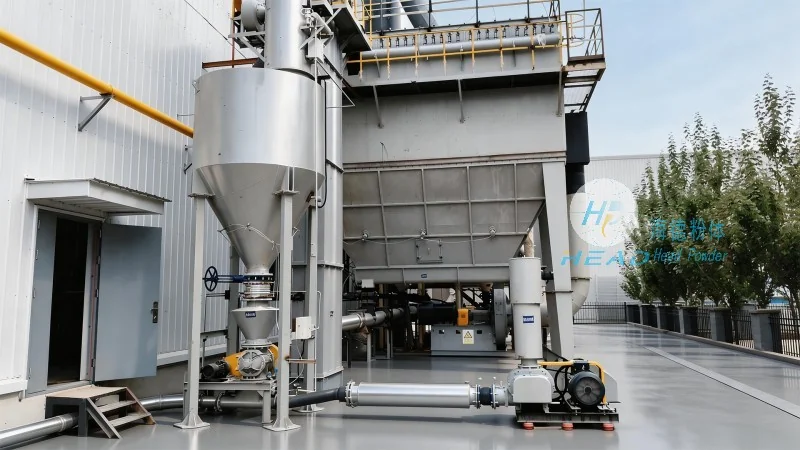
The Feeder: Ensuring Consistent Material Input
The feeder is a critical component in the bean powder pneumatic conveying system. It is responsible for introducing the bean powder into the conveying line at a consistent rate, preventing blockages and ensuring a steady flow. There are different types of feeders, including rotary valves, screw feeders, and vibratory feeders, each suited to different powder properties. For bean powder, a rotary valve or a screw feeder is often preferred due to their ability to handle fine powders without causing clogging. The feeder is typically equipped with a hopper that stores the powder, allowing for continuous operation without frequent stops.
The Conveying Line: Design and Material Considerations
The conveying line is the backbone of the pneumatic conveying system, responsible for transporting the bean powder from the feeder to the separator. The design of the line is crucial, as it must withstand the pressure or vacuum conditions and prevent the powder from escaping or the air from leaking. The line is usually made of materials such as stainless steel or PVC, which are resistant to corrosion and can handle the abrasive nature of bean powder. The diameter and length of the line are also important factors, as they affect the pressure drop and the overall efficiency of the system. For longer distances, the line may include bends and elbows, which are designed to minimize turbulence and prevent powder deposition.
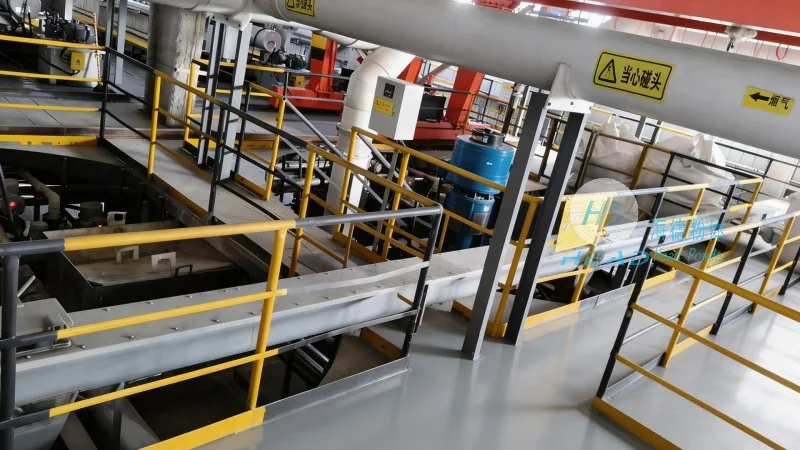
The Separator: Separating Powder from Air
The separator is the final component in the bean powder pneumatic conveying system, responsible for separating the bean powder from the air at the end of the conveying line. This is achieved through a combination of gravity, centrifugal force, and filtration. The separator typically consists of a cyclone or a bag filter, which uses the difference in density between the powder and the air to separate them. The separated powder is collected in a hopper, while the air is either vented to the atmosphere or recycled back into the system. The efficiency of the separator is critical, as it determines the amount of powder lost to the air and the overall system performance.
Advantages of Using Bean Powder Pneumatic Conveying Equipment
There are several advantages to using bean powder pneumatic conveying equipment in industrial applications. One of the main advantages is its ability to handle fine powders like bean flour without causing clogging or degradation. The system is also clean and hygienic, as it prevents dust from escaping into the environment and keeps the powder contained within the system. Additionally, pneumatic conveying is a continuous process, allowing for high throughput and reduced labor costs. The equipment is also flexible, as it can be easily adjusted to handle different powder types and flow rates. Finally, the system is relatively low maintenance, as it has fewer moving parts compared to other conveying methods.
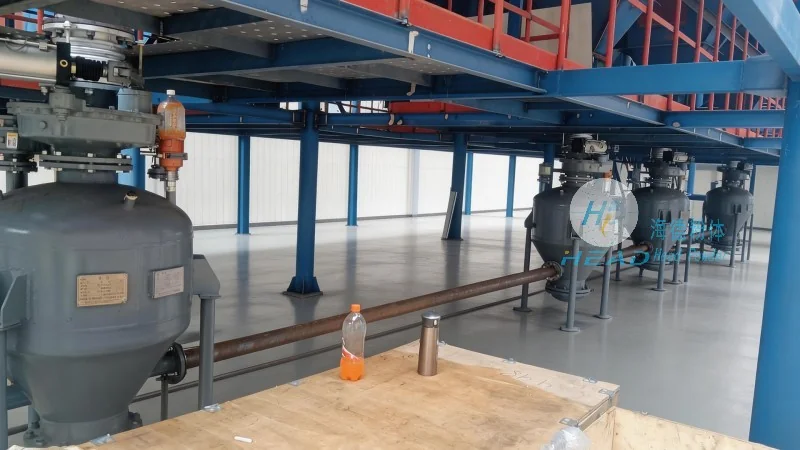
Applications in the Food Industry
Bean powder pneumatic conveying equipment is widely used in the food industry, particularly in the production of bean-based products such as tofu, soy milk, and bean paste. The equipment is used to transport bean powder from storage silos to processing lines, ensuring a consistent supply of raw material. It is also used in the packaging process, where the powder is conveyed from the processing line to the packaging machine. The equipment is particularly useful in food processing plants, as it maintains the hygiene and quality of the product while minimizing contamination risks.
Conclusion: The Importance of Proper Equipment Design
In conclusion, the bean powder pneumatic conveying equipment is a critical component in modern industrial processes, particularly in the food industry. Understanding its structure and working principle is essential for optimizing production lines and maintaining product quality. The equipment's ability to handle fine powders efficiently and hygienically makes it a preferred choice for many industries. As technology advances, the design of these systems continues to improve, with more efficient components and better control systems. For businesses in the food industry, investing in high-quality bean powder pneumatic conveying equipment is a smart decision that can lead to increased productivity and improved product quality.




