Shandong HeadPowder Engineering Co., Ltd. is a professional manufacturer specializing in the design, production, and supply of industrial material handling equipment. The company is located in Shandong, China, and has been committed to providing high-quality solutions for various powder material transportation needs. Our products are widely used in industries such as construction, mining, and manufacturing, where efficient and safe handling of bulk materials is crucial.
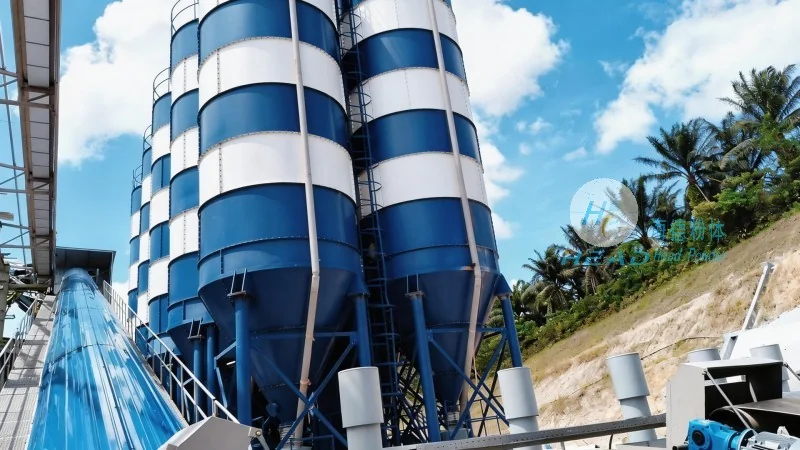
Overview of Asbestos Powder Handling Equipment
The asbestos powder material handling equipment is engineered to handle the transportation of asbestos powder, a hazardous material that requires strict safety measures during processing. The equipment is designed with features that ensure minimal dust generation, proper containment, and compliance with environmental and occupational safety regulations. It typically includes components like hoppers, conveyors, and control systems that work together to move the powder from storage to processing or packaging areas.
Operation Process of the Equipment
The operation process of the asbestos powder handling equipment begins with the loading of the asbestos powder into the hopper. The hopper is usually equipped with a feeding mechanism that regulates the flow of powder into the conveying system. Once the powder is in the hopper, it is transferred to the conveyor section. For mechanical conveyors, the screw or belt rotates, pushing the powder forward through the system. Pneumatic conveyors use compressed air to create a pressure differential that moves the powder through the pipeline. The equipment may also include intermediate storage bins or transfer points to manage the flow and ensure smooth operation.
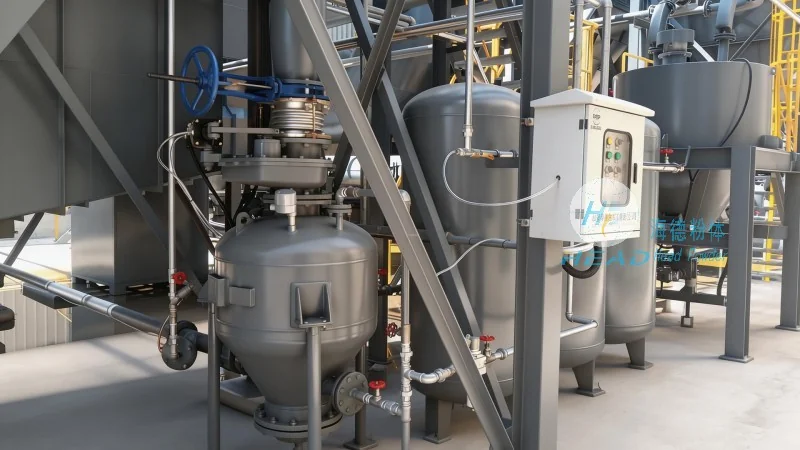
Working Principle of the Equipment
The working principle of the asbestos powder material handling equipment is centered on the efficient transfer of the powder using mechanical or pneumatic forces. In mechanical systems, such as screw conveyors, the rotating screw displaces the powder along the length of the conveyor, utilizing the friction between the screw and the material to move it. Belt conveyors use a continuous belt that transports the powder through rollers and idlers, maintaining a consistent speed and direction. Pneumatic systems operate by injecting compressed air into the conveying line, creating a flow that entrains the powder particles and transports them to the destination. The design of the equipment includes sealed enclosures and dust collection systems to prevent the release of asbestos fibers into the environment, ensuring compliance with safety standards.
Key Features and Safety Considerations
Key features of the asbestos powder handling equipment include sealed hoppers and conveyors to prevent dust leakage, explosion-proof motors for safe operation in hazardous environments, and monitoring systems to detect overloads or blockages. Safety considerations are paramount in the design and operation of these systems. Operators must follow strict protocols for handling asbestos, including wearing personal protective equipment (PPE) like respirators and gloves, and ensuring proper ventilation in the workspace. The equipment is also equipped with emergency stop buttons and alarm systems to alert operators of any issues during operation.
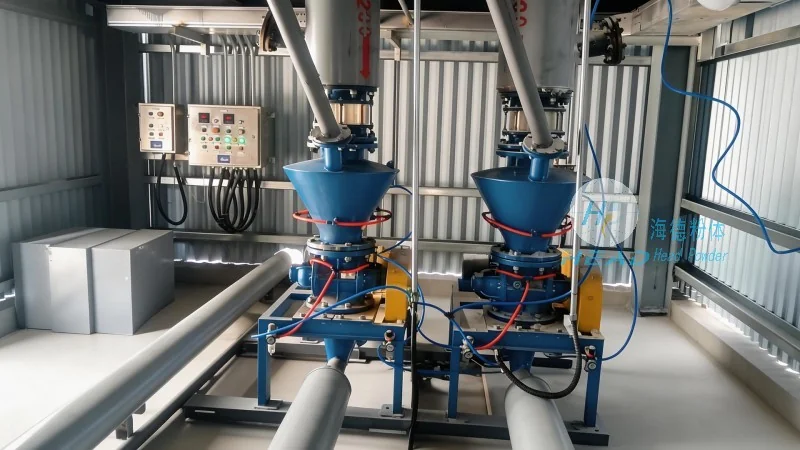
Applications and Benefits
The asbestos powder handling equipment is used in various applications where asbestos powder needs to be transported safely and efficiently. These include asbestos removal and recycling operations, where the equipment is used to move the powder from demolition sites to processing facilities. In manufacturing, it is used to transport asbestos powder for the production of asbestos-based products, such as insulation materials. The benefits of using this equipment include improved safety by reducing direct human contact with asbestos, increased efficiency through automated material handling, and compliance with regulatory requirements for handling hazardous materials.
Maintenance and Operational Tips
Proper maintenance is essential to ensure the longevity and safe operation of the asbestos powder handling equipment. Regular inspections should be conducted to check for wear and tear on components like screws, belts, and seals. Lubrication of moving parts is necessary to prevent friction and overheating. Cleaning the equipment after each use is important to remove any residual asbestos powder and prevent clogging. Operational tips include starting the equipment with the hopper empty to avoid overloading the conveyor, and monitoring the pressure and flow rates to ensure optimal performance. By following these maintenance and operational guidelines, the equipment can operate efficiently and safely for extended periods.




