Introduction to Lithium Cobalt Oxide Pneumatic Conveying and the Working Principle of Pneumatic Conv
Release time:2026-09-14 10:50:38
name of the company:Shandong Headpowder Engineering Co., Ltd.
telephone:156-6277-7102
contacts:Zhang manager
Understanding the efficient handling of lithium cobalt oxide (LCO) is crucial in modern battery manufacturing and material processing industries. Pneumatic conveying systems offer a reliable and flexible solution for transporting this critical material, ensuring safety, precision, and operational efficiency. This article provides an overview of lithium cobalt oxide pneumatic conveying and explains the fundamental principles behind pneumatic conveying systems.
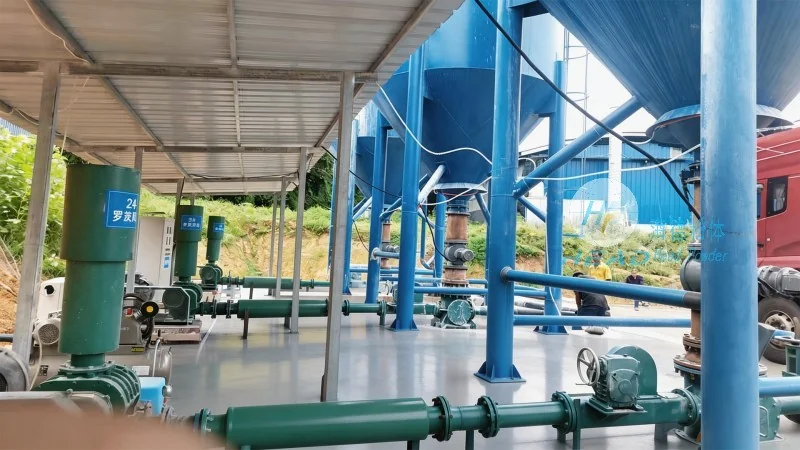
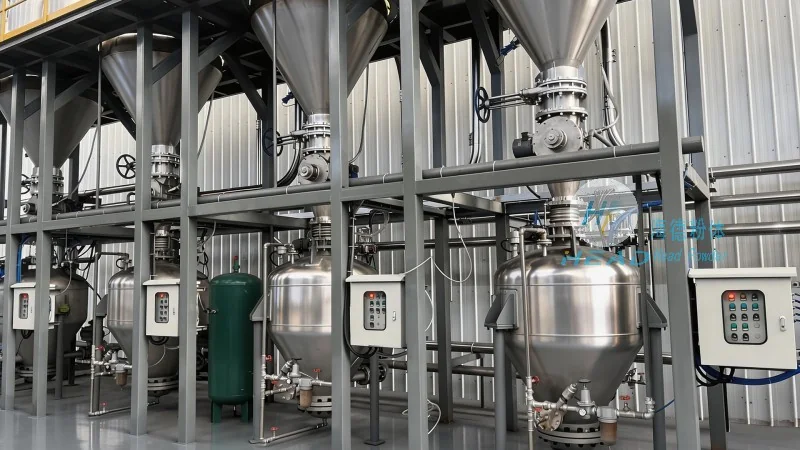
What is Lithium Cobalt Oxide Pneumatic Conveying?
Lithium cobalt oxide (LCO) is a key component in lithium-ion batteries, known for its high energy density and stability. Pneumatic conveying involves transporting LCO powder through a pipeline using a stream of air or other gas. This method is particularly suitable for LCO due to its fine particle size and sensitivity to moisture and contamination. The process requires specialized equipment to maintain particle integrity and prevent agglomeration, which can affect battery performance.
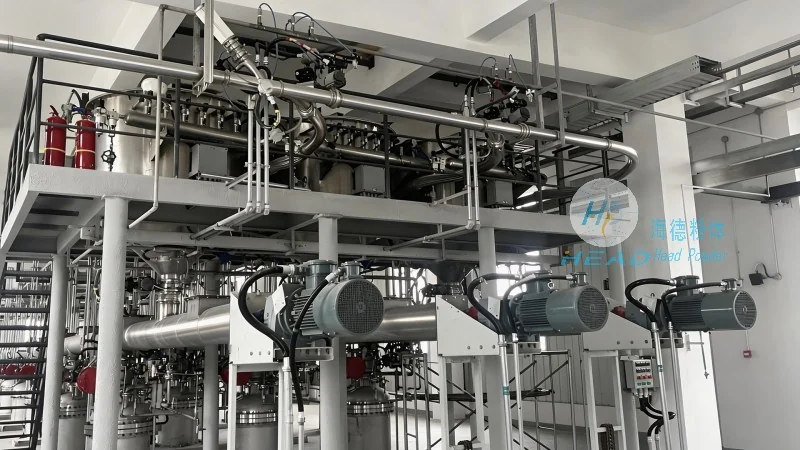
The Working Principle of Pneumatic Conveying Systems
Pneumatic conveying systems operate by creating a pressure differential between the material source and the destination. There are two main types: pressure and vacuum systems. In pressure systems, air is forced through the pipeline at high pressure, carrying the LCO particles. Vacuum systems, on the other hand, use a vacuum to draw material from the source into the pipeline. The choice of system depends on factors such as material characteristics, distance, and required flow rate. Key components include a hopper for material storage, a feeder to control the flow rate, a conveying line, and a receiver for the material at the destination. The system also includes filters and cyclones to separate the material from the air stream, ensuring clean and dry LCO is delivered.
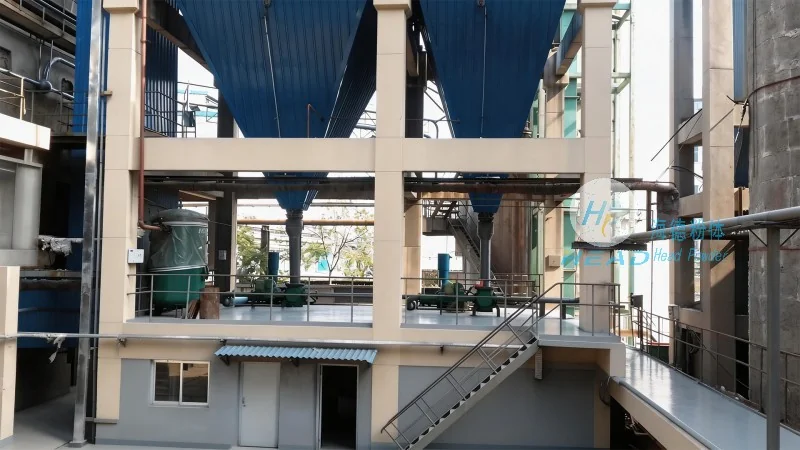
Key Considerations for LCO Pneumatic Conveying
When implementing a pneumatic conveying system for LCO, several factors must be considered to ensure optimal performance. Particle size and moisture content are critical, as they affect the flowability and transport efficiency. The system must be designed to minimize particle degradation and prevent contamination from the air stream. Additionally, the equipment should be constructed from materials that are compatible with LCO, such as stainless steel, to avoid chemical reactions or corrosion. Proper maintenance and cleaning procedures are essential to maintain system efficiency and prevent blockages.




