Pneumatic conveying systems have become a cornerstone in the processing and transportation of bulk materials, particularly in the food industry where precision and hygiene are paramount. For applications involving wheat flour, these systems offer a reliable and efficient method to move material from one location to another without the need for mechanical components like belts or buckets. The core principle of pneumatic conveying involves using air pressure to transport particles through a pipeline, making it an ideal solution for handling fine powders such as wheat flour, which can be prone to dust and caking if not managed properly.
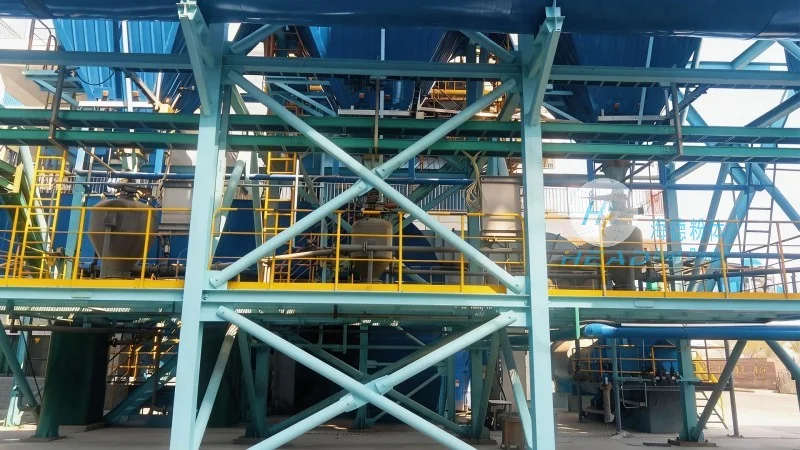
The Working Principle of Pneumatic Conveying Systems
At the heart of a pneumatic conveying system is the creation of a pressure differential that propels the material through the system. There are primarily two types of pneumatic conveying: pressure and vacuum systems. In a pressure system, a positive pressure is generated at the inlet, pushing the material through the pipeline. This method is often used for short to medium distances and can handle a wide range of particle sizes. Conversely, vacuum systems use a negative pressure to draw material into the system, typically suitable for longer distances or when material needs to be collected from multiple points. For wheat flour, a pressure system is commonly preferred due to its ability to maintain consistent flow rates and prevent product degradation from exposure to air.
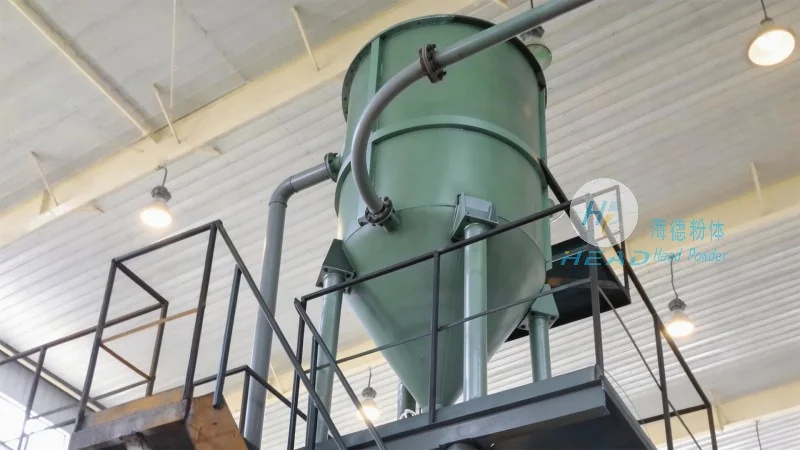
Key Components of a Wheat Flour Pneumatic Conveying System
Effective pneumatic conveying of wheat flour relies on several critical components that work in tandem to ensure smooth operation. The primary components include the hopper or feed bin, which holds the wheat flour and provides a consistent feed to the system. A rotary valve or feeder is then used to control the flow rate of the material into the conveying line. The conveying line itself, usually made of stainless steel to prevent contamination and corrosion, is equipped with in-line filters to remove any fines or debris that could clog the system. A dust collector is also essential to capture any airborne particles, ensuring environmental compliance and maintaining a clean working environment. Finally, the discharge point or silo where the wheat flour is deposited completes the system, often with a level indicator to monitor the material's position.
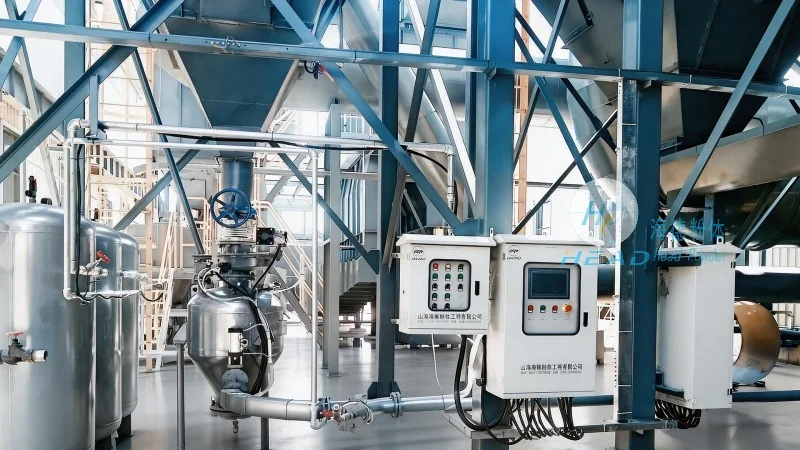
Advantages of Using Pneumatic Conveying for Wheat Flour
Compared to traditional mechanical conveying methods, pneumatic systems offer several advantages that make them particularly suitable for wheat flour processing. One of the most significant benefits is the ability to handle fine powders without the risk of product degradation or contamination. The enclosed system prevents exposure to air, moisture, or contaminants, preserving the quality and freshness of the wheat flour. Additionally, pneumatic conveying is highly flexible, allowing for changes in material flow rates and direction without the need for extensive reconfiguration. This adaptability is crucial in dynamic production environments where demand fluctuates. Another advantage is the reduced maintenance requirements compared to mechanical systems, as there are fewer moving parts that can wear out or require regular servicing. Furthermore, the system can be designed to integrate with other processing equipment, such as mixers or ovens, creating a seamless production line.
Applications of Wheat Flour Pneumatic Conveying Systems
The versatility of pneumatic conveying systems makes them applicable in various stages of wheat flour processing. In the initial stages, after milling, the flour is often conveyed from the mill to a storage silo or a packaging line. This step ensures that the flour is moved efficiently and hygienically from the production area to the storage or distribution point. During the packaging process, pneumatic systems can be used to transfer flour from bulk storage to individual bags or containers, maintaining the product's quality throughout the transfer. In industrial settings, these systems are also used in large-scale bakeries and food processing plants where multiple ingredients need to be combined quickly and accurately. The ability to handle large volumes of material at once makes pneumatic conveying an efficient solution for high-throughput operations.
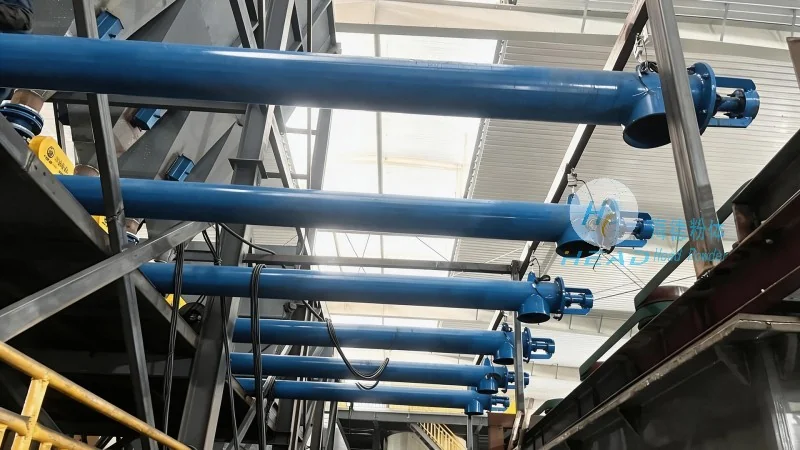
About Shandong HeadPowder Engineering Co., Ltd.
Shandong HeadPowder Engineering Co., Ltd., operating under the brand name HeadPowder, is a leading manufacturer and supplier of pneumatic conveying systems tailored for the food industry. With a focus on quality and innovation, HeadPowder specializes in designing and manufacturing systems that meet the stringent requirements of processing wheat flour and other fine powders. The company's headquarters is located in Shandong, China, where it leverages advanced technology and expertise to develop solutions that enhance efficiency and safety in material handling. HeadPowder's products are known for their durability, reliability, and compliance with industry standards, making them a trusted choice for businesses in the food processing sector.




