Shandong HeadPowder Engineering Co., Ltd., a leading provider in material handling solutions, has developed the Seaweed Residue Pellet Material Handling System. This system is specifically designed to address the challenges associated with processing and transporting seaweed residue, a byproduct commonly found in marine biomass processing facilities. The system integrates advanced technologies to ensure efficient and reliable operation, catering to the needs of industries focused on sustainable waste management and resource recovery.
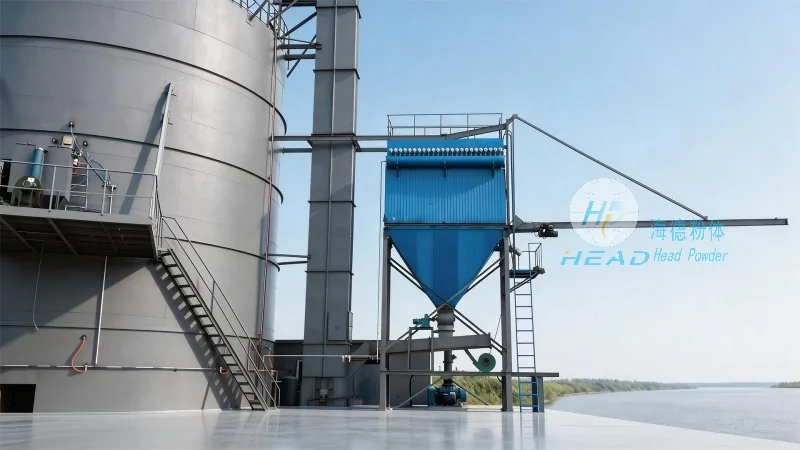
Key Components and Their Functions
The Seaweed Residue Pellet Material Handling System comprises several critical components, each playing a vital role in the overall process. The primary components include a material feeding hopper, a primary crusher, a drying unit, a pelletizing machine, and a conveyor system. The feeding hopper is responsible for receiving raw seaweed residue, which is then fed into the primary crusher. The crusher breaks down the large, irregular pieces of seaweed into smaller, manageable particles. Following the crushing stage, the material is transferred to the drying unit, where excess moisture is removed to meet the required specifications for pelletization. The dried material then moves to the pelletizing machine, which compresses and shapes the material into uniform pellets. Finally, the conveyor system transports the finished pellets to the storage or packaging area.
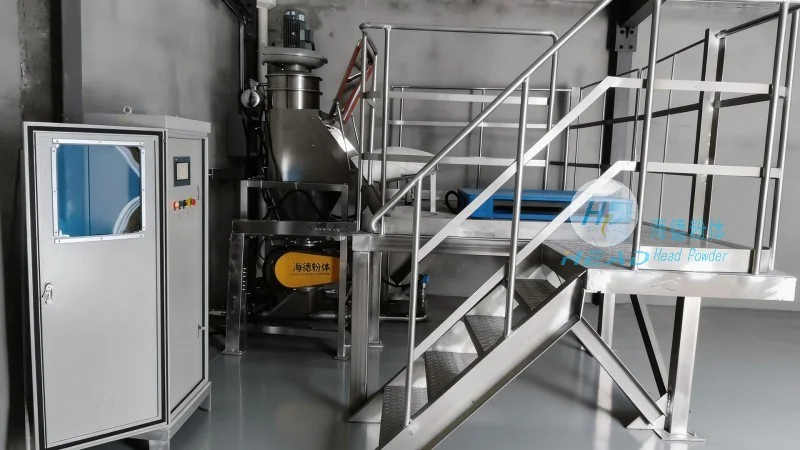
Operation Process: Step-by-Step Execution
The operation of the Seaweed Residue Pellet Material Handling System follows a systematic and automated process. The workflow begins with the loading of raw seaweed residue into the feeding hopper. An automated feeding mechanism then regulates the flow of material into the primary crusher. The crushed material is conveyed to the drying unit, where it undergoes a controlled drying process. The drying parameters, such as temperature and duration, are precisely controlled to ensure optimal moisture content. Once dried, the material is transferred to the pelletizing machine. The pelletizing process involves compressing the material under high pressure, forming it into cylindrical pellets. The machine can adjust the pellet size and density based on specific requirements. After pelletization, the finished pellets are transported by the conveyor system to the storage or packaging area. The entire process is monitored by a centralized control system, which ensures that each step operates within the predefined parameters, minimizing downtime and maximizing efficiency.
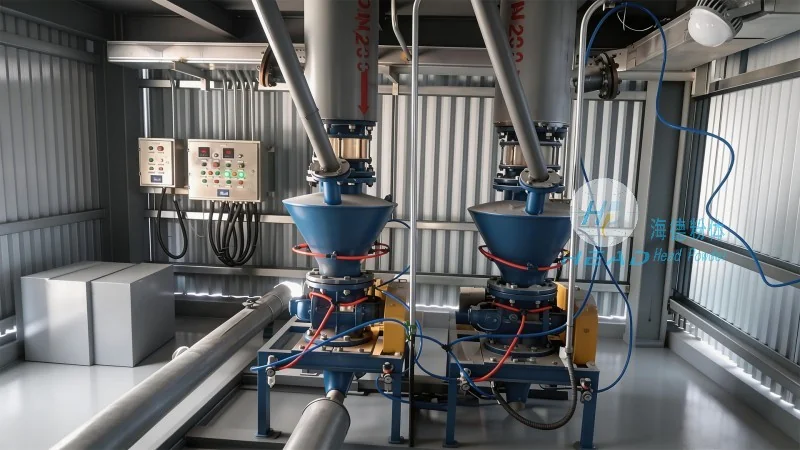
Working Principle: Mechanism and Technology
The working principle of the Seaweed Residue Pellet Material Handling System is based on a combination of mechanical and thermal processes. The system leverages advanced crushing technology to reduce the size of seaweed residue, which is essential for efficient drying and pelletization. The drying unit utilizes heat to evaporate moisture, improving the material's quality and reducing the risk of clogging in subsequent processing stages. The pelletizing machine employs a die and roller mechanism, where the material is forced through a die with specific orifices, resulting in uniform pellets. The system's control system integrates sensors and feedback loops to maintain consistent performance. For example, moisture sensors in the drying unit adjust the heating rate to achieve the desired moisture level, while pressure sensors in the pelletizing machine monitor the pellet density and adjust the compression force as needed. This closed-loop control ensures that the system operates with high precision and reliability.
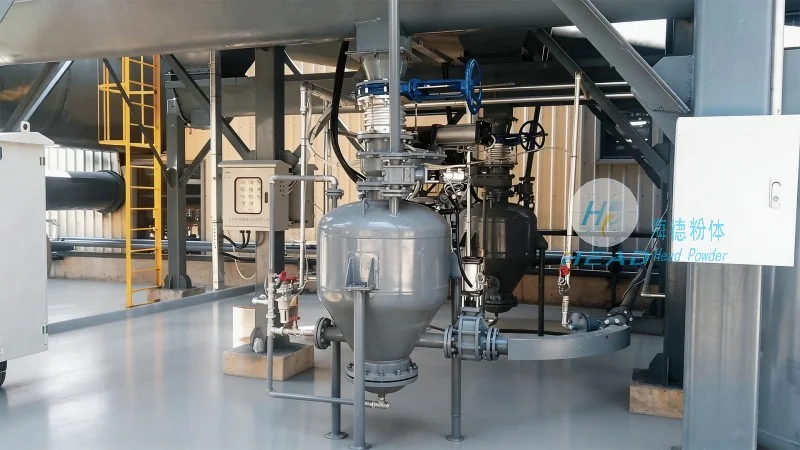
Advantages and Applications
The Seaweed Residue Pellet Material Handling System offers several advantages that make it a preferred choice for industries dealing with seaweed residue. Firstly, it significantly improves the efficiency of material handling by automating the entire process from raw material reception to finished product delivery. The system reduces manual labor and minimizes the risk of material loss or contamination. Secondly, it enhances the quality of the final pellets by ensuring consistent moisture content and uniform size. This improves the usability of the pellets in downstream applications, such as animal feed or biofuel production. Thirdly, the system is designed with sustainability in mind. By converting waste seaweed residue into valuable pellets, it promotes circular economy principles and reduces the environmental impact of marine biomass processing. The system is also scalable, allowing it to be adapted to different production capacities, from small-scale pilot plants to large industrial facilities. Its robust design and advanced technology make it suitable for various applications, including agricultural, industrial, and renewable energy sectors.




