Pneumatic conveying is a critical technology in the agricultural and food processing industries, particularly for the efficient transport of grain and bulk materials. This method utilizes air as the medium to move materials through a pipeline system, offering advantages such as reduced contamination, improved hygiene, and the ability to handle a wide range of grain types. The technology has evolved significantly over the years, with two primary modes of operation dominating the market: positive pressure and negative pressure systems. Understanding the differences between these modes is essential for selecting the most suitable solution for specific applications.
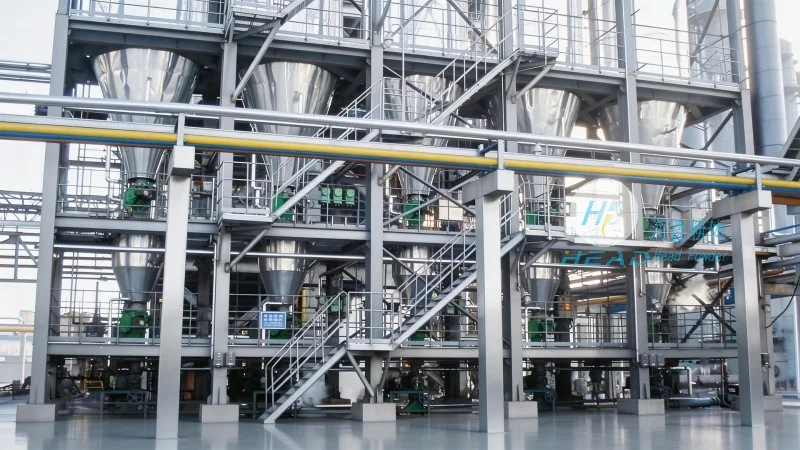
Understanding Positive Pressure and Negative Pressure Modes
Positive pressure pneumatic conveying systems operate by forcing air and material through the pipeline using a positive pressure source, typically a blower or fan. In this mode, the pressure inside the pipeline is higher than the ambient air pressure. The positive pressure system is known for its ability to handle long distances and high material loads, as well as its suitability for applications requiring high material velocity and minimal particle degradation. The system is also effective in preventing material from entering the air stream, which is crucial for maintaining product quality and preventing contamination.
On the other hand, negative pressure systems work by creating a vacuum in the pipeline, drawing material and air into the system. The pressure inside the pipeline is lower than the ambient air pressure. Negative pressure systems are often preferred for applications where material is being transferred from a higher elevation to a lower one, or where the material is sensitive to high velocities and potential damage. They are also advantageous in environments where dust control is a priority, as the system draws air and material into the pipeline rather than expelling it.
Technical Comparison of Positive and Negative Pressure Systems
When comparing positive and negative pressure systems, several technical aspects must be considered. One of the key differences is the power consumption. Positive pressure systems generally consume more energy due to the need to force air and material through the pipeline, whereas negative pressure systems are more energy-efficient as they rely on the vacuum created by the system. However, the energy consumption can vary based on the system design, material properties, and operational parameters.
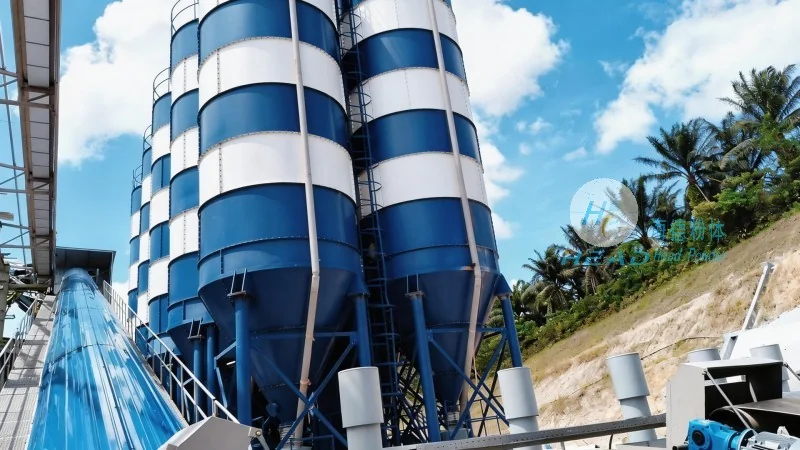
Another critical factor is the material handling capacity. Positive pressure systems are capable of transporting larger quantities of material at higher velocities, making them suitable for high-throughput applications. Negative pressure systems, while effective for smaller loads or more delicate materials, may have limitations in handling large volumes or abrasive materials. The choice between the two modes often depends on the specific requirements of the application, including the distance of transport, the type of grain, and the desired material velocity.
The system's suitability for different grain types is also a significant consideration. For example, positive pressure systems are often used for handling grains with high moisture content or those that are prone to clumping, as the higher pressure helps to break up agglomerates and maintain consistent flow. Negative pressure systems, on the other hand, are better suited for handling fine powders or materials that are sensitive to high velocities, as the lower pressure reduces the risk of particle degradation.
Application Scenarios and Practical Considerations
The selection between positive and negative pressure pneumatic conveying systems depends on a variety of practical factors. For instance, in grain storage and handling facilities, positive pressure systems are commonly used for loading and unloading silos or trucks, as they can handle large volumes of material over long distances. Negative pressure systems are more frequently employed in processing plants where the material is being transferred from a higher elevation to a lower one, such as in flour mills or food processing facilities.
Environmental considerations also play a role in the choice of system. Negative pressure systems are generally preferred in environments where dust control is a priority, as they draw air and material into the pipeline, reducing the risk of dust emissions. Positive pressure systems, while effective in preventing material from entering the air stream, may require additional filtration systems to manage air emissions.
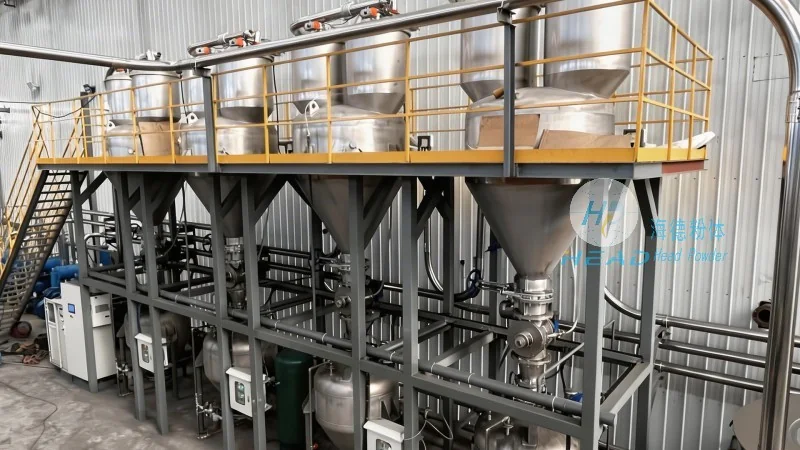
Maintenance and operational costs are additional factors to consider. Positive pressure systems typically require more maintenance due to the higher stress on components such as the blower and pipeline, whereas negative pressure systems may have lower maintenance costs but could require more frequent filter changes due to the higher volume of air drawn into the system.
Company Profile: Shandong HeadPowder Engineering Co., Ltd.
Shandong HeadPowder Engineering Co., Ltd., a leading manufacturer in the field of pneumatic conveying technology, specializes in providing customized solutions for grain and bulk material handling. With a strong focus on innovation and quality, the company has developed advanced systems that cater to the diverse needs of the agricultural and food processing industries. HeadPowder's expertise lies in designing and manufacturing both positive and negative pressure pneumatic conveying systems, ensuring that clients receive the most suitable solution for their specific applications.
The company's products are known for their durability, efficiency, and reliability, meeting the highest industry standards. HeadPowder's team of engineers and technicians work closely with clients to understand their unique requirements and provide tailored solutions that enhance operational efficiency and product quality. With a commitment to customer satisfaction and technological advancement, Shandong HeadPowder Engineering Co., Ltd. continues to be a trusted partner in the development and implementation of pneumatic conveying systems.




