Sugar processing industries rely on efficient material handling systems to ensure smooth production workflows. Pneumatic conveying is a critical technology in this sector, offering a flexible and effective method for transporting bulk materials like sugar. This technology involves the use of air to move particles through a pipeline, eliminating the need for mechanical components such as conveyors or elevators. For sugar applications, the choice between positive and negative pressure modes is a key decision that impacts system performance, cost, and operational safety.
Understanding Positive Pressure Pneumatic Conveying
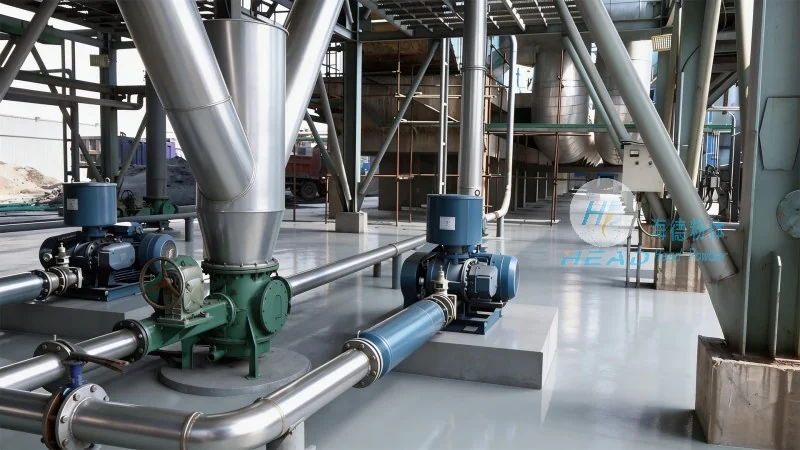
Positive pressure systems operate by blowing air into the conveying line, creating a pressure higher than the ambient atmosphere. This method is often preferred for short to medium distance applications where the material is light and free-flowing. In the context of sugar handling, positive pressure systems can effectively transport granulated or powdered sugar over distances of up to several hundred meters. The primary advantage of this mode is its ability to handle abrasive materials without excessive wear on the system components. Additionally, positive pressure systems are generally easier to install and maintain, as they do not require complex vacuum pumps or high-pressure air compressors. However, they may face challenges with long-distance transport or when dealing with highly moisture-sensitive sugars, as the high air pressure can cause degradation or clumping.
Exploring Negative Pressure Pneumatic Conveying
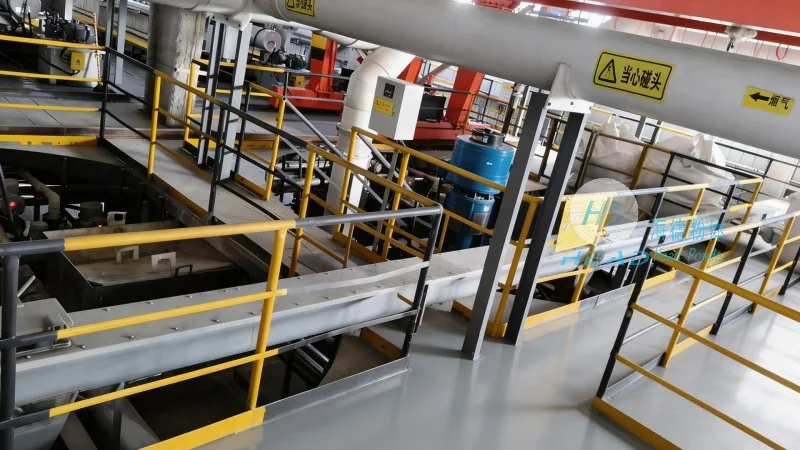
Negative pressure systems, conversely, operate by creating a vacuum in the conveying line, drawing material into the system. This approach is typically used for longer distances or when the material is heavy and has a tendency to settle. For sugar processing, negative pressure is suitable for transporting larger sugar crystals or when the material needs to be moved from a higher elevation to a lower one. The key benefit of negative pressure is its ability to handle larger particles and more viscous materials without the need for high-pressure air. It also reduces the risk of material spillage or dust emissions compared to positive pressure systems. Nevertheless, negative pressure systems require robust vacuum pumps and may experience higher energy consumption, especially over extended distances. The system also needs to be carefully designed to prevent air leaks, which could compromise the vacuum and reduce conveying efficiency.
Key Considerations for Selecting the Right Mode
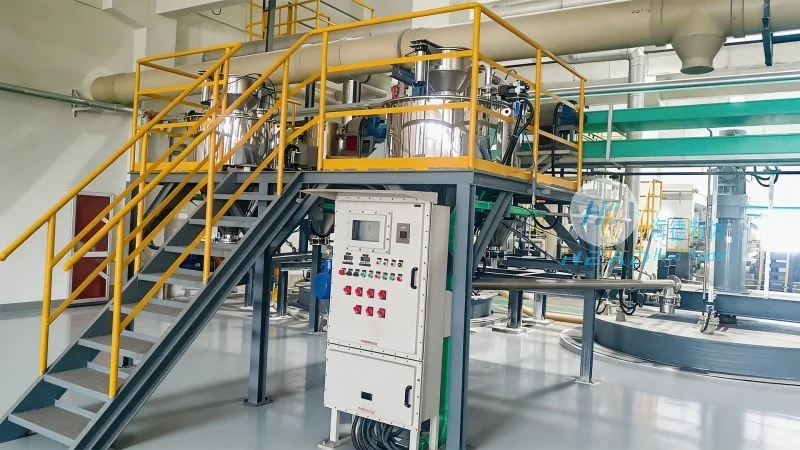
When deciding between positive and negative pressure pneumatic conveying for sugar applications, several factors must be considered. The first is the distance and layout of the conveying system. Shorter distances and simpler layouts may favor positive pressure, while longer or more complex systems might benefit from negative pressure. The second factor is the physical properties of the sugar being transported. Granulated sugar with low moisture content may perform well in positive pressure systems, whereas larger, more crystalline sugars might require negative pressure to avoid blockages. Cost is another critical consideration. Positive pressure systems are generally less expensive to install and operate, whereas negative pressure systems may have higher initial costs due to the need for powerful vacuum equipment. Finally, operational safety and environmental impact should be evaluated. Positive pressure systems can sometimes lead to dust emissions if not properly sealed, while negative pressure systems are often more enclosed, reducing exposure to airborne particles. By carefully analyzing these factors, sugar processing facilities can select the most appropriate pneumatic conveying mode to optimize their production processes.
About Shandong HeadPowder Engineering Co., Ltd.
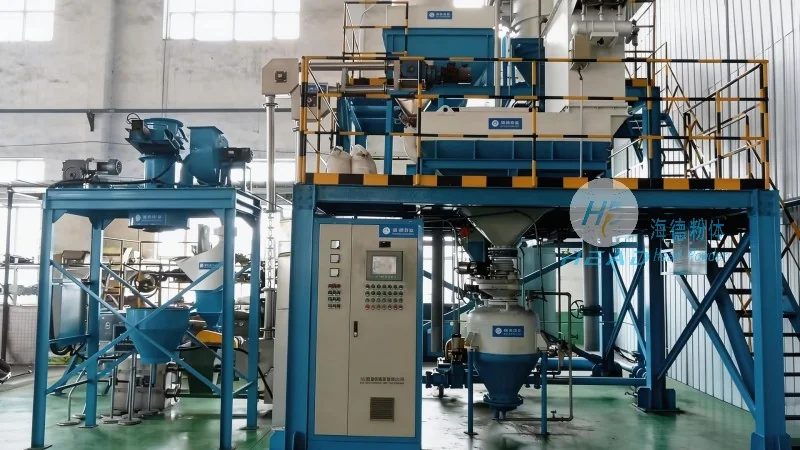
Shandong HeadPowder Engineering Co., Ltd., operating under the brand name headpowder, is a leading provider of specialized engineering solutions for the bulk material handling industry. With a focus on innovative and efficient technologies, the company has developed expertise in pneumatic conveying systems tailored to the unique needs of sugar processing. HeadPowder's team of engineers and technicians work closely with clients to design and implement customized solutions that enhance productivity, reduce operational costs, and ensure compliance with industry standards. The company's commitment to quality and customer satisfaction has established it as a trusted partner in the sugar and related industries. Based in Shandong, China, HeadPowder leverages local manufacturing capabilities and global market insights to deliver reliable and durable equipment that meets the demanding requirements of modern sugar production facilities.




