When it comes to the air-driven transport of ternary lithium-ion battery cathode materials, choosing between positive pressure and negative pressure systems is a critical decision that impacts efficiency, material quality, and operational safety. Understanding the distinctions between these two methods is essential for optimizing the handling process in industrial settings. This article aims to provide a comprehensive guide on how to select the appropriate air-driven transport system for ternary cathode materials, focusing on the key factors that influence the choice and the practical considerations involved.
Introduction to Air-Driven Transport Systems
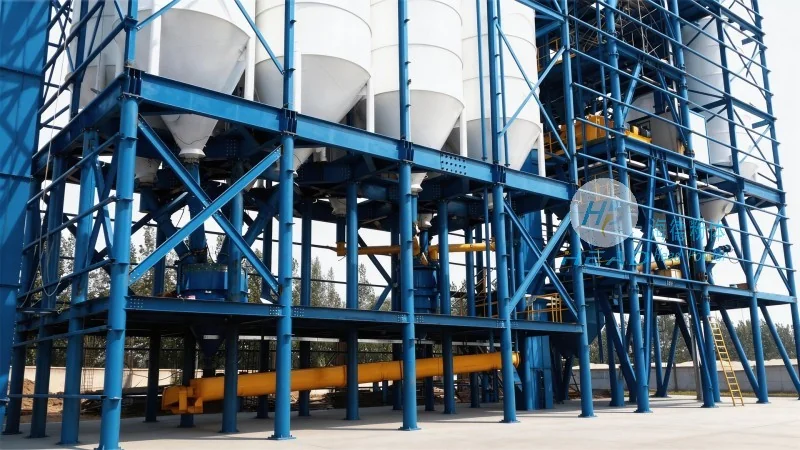
Air-driven transport, also known as pneumatic conveying, is a widely used method for moving bulk materials like ternary lithium-ion battery cathode powders over long distances or within complex processing lines. The two primary types of pneumatic conveying systems are positive pressure and negative pressure, each with distinct characteristics and applications. Positive pressure systems use compressed air to push material through a pipeline, while negative pressure systems use vacuum to draw material into a system. Both methods have their advantages and limitations, making the selection process dependent on specific operational requirements and material properties.
Key Factors Influencing the Choice of Air-Driven Transport
The decision between positive and negative pressure for transporting ternary cathode materials is influenced by several key factors. Material characteristics, such as particle size, moisture content, and flowability, play a significant role. For example, cohesive or fine powders may require higher air velocities in positive pressure systems to prevent blockages, whereas negative pressure systems might be more suitable for handling materials with lower dust generation. Additionally, the distance and layout of the transport line, as well as the need for material containment and environmental control, are critical considerations. Positive pressure systems are often preferred for long-distance transport due to their ability to maintain consistent air pressure and material flow, while negative pressure systems are commonly used for short-distance or local material transfer where dust control is a priority.
Distinguishing Between Positive and Negative Pressure Systems
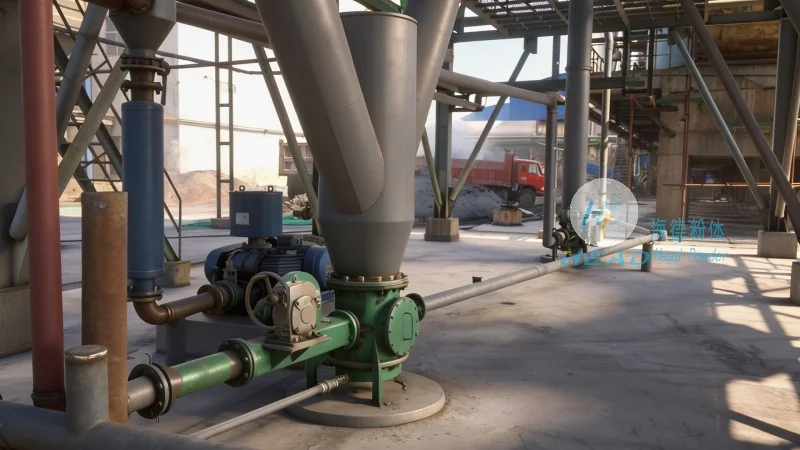
Understanding the operational differences between positive and negative pressure air-driven transport systems is essential for proper selection. Positive pressure systems operate by injecting compressed air into the material stream, creating a pressure differential that propels the material forward. This method is generally more suitable for high-volume material handling and can handle a wider range of particle sizes and flow rates. However, it requires robust sealing and can generate higher dust emissions if not properly managed. On the other hand, negative pressure systems work by creating a vacuum in the transport line, drawing material into the system through an inlet. This approach is often preferred for applications where dust containment is paramount, such as in cleanroom environments or when handling materials with high health risks. Negative pressure systems are typically more suitable for short-distance transport and may require more maintenance due to the vacuum components.
Application Examples in Ternary Cathode Material Handling
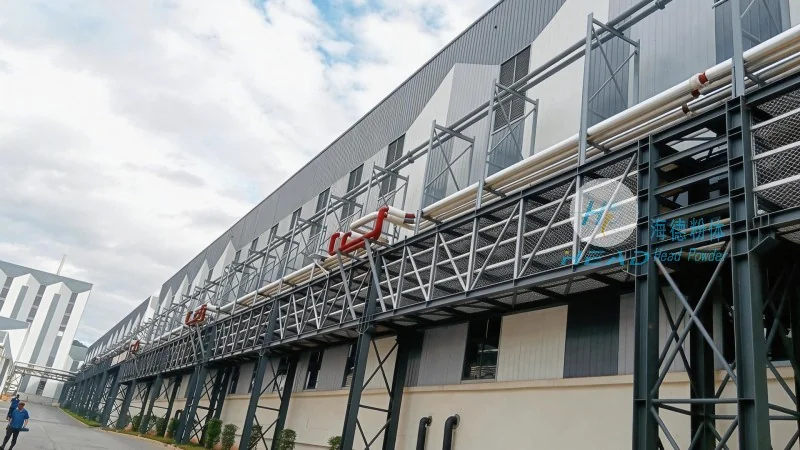
In the context of ternary lithium-ion battery cathode material processing, both positive and negative pressure systems are utilized in different stages of the production line. For instance, positive pressure systems are commonly used in the initial material blending and drying stages, where large volumes of material need to be moved efficiently. Negative pressure systems may be employed in the final packaging or quality control steps, where maintaining a dust-free environment is critical. The choice of system also depends on the specific properties of the ternary cathode material, such as its reactivity or sensitivity to moisture. Companies like Shandong HeadPowder Engineering Co., Ltd., based in China, specialize in designing and implementing customized air-driven transport solutions tailored to the unique needs of lithium-ion battery manufacturers, ensuring optimal performance and compliance with industry standards.
Conclusion and Practical Recommendations
Choosing between positive pressure and negative pressure air-driven transport for ternary lithium-ion battery cathode materials requires a thorough evaluation of operational requirements, material properties, and environmental considerations. Positive pressure systems offer advantages in high-volume and long-distance transport, while negative pressure systems excel in dust control and short-distance applications. By understanding the operational characteristics and limitations of each system, manufacturers can select the most appropriate air-driven transport method to enhance efficiency, maintain material quality, and ensure operational safety. As a leading provider in the field, Shandong HeadPowder Engineering Co., Ltd. offers expert guidance and customized solutions to help clients optimize their material handling processes and achieve their production goals.




