Operation Process and Working Principle of Organic Fertilizer Granule Material Conveying
Release time:2026-09-20 22:01:40
name of the company:Shandong Headpowder Engineering Co., Ltd.
telephone:156-6277-7102
contacts:Zhang manager
Organic fertilizer granule material conveying systems are integral to the efficient handling and distribution of organic fertilizers in agricultural and horticultural applications. Understanding the operation process and working principle of such systems is crucial for optimizing material flow, ensuring product quality, and enhancing overall operational efficiency. This article provides a detailed overview of the key components, operational steps, and technical principles involved in the conveying of organic fertilizer granules, with a focus on the expertise and solutions offered by Shandong HeadPowder Engineering Co., Ltd., a leading provider in the field.
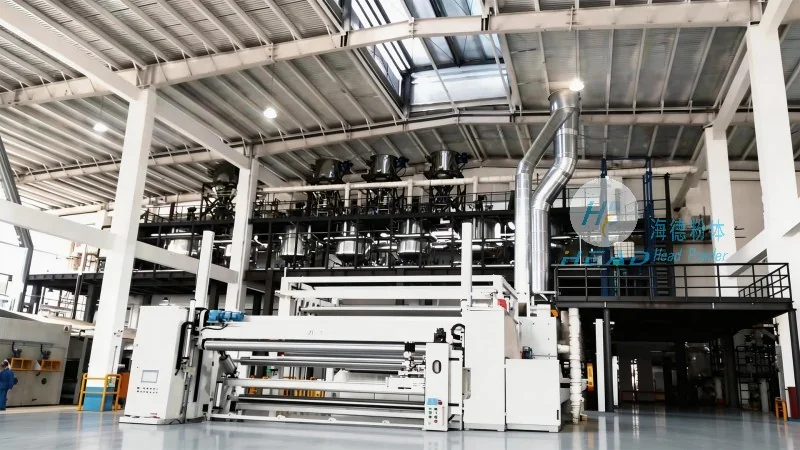
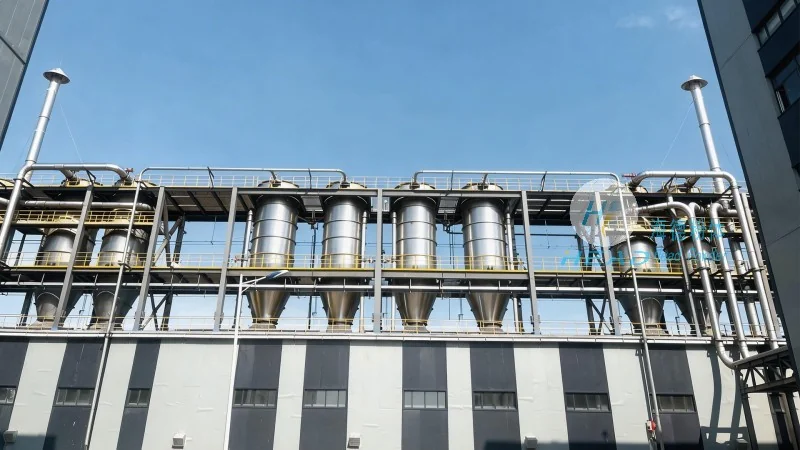
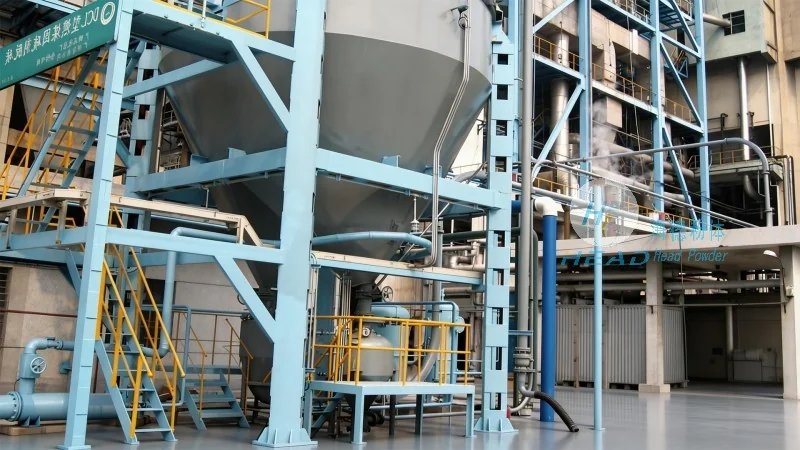
Overview of Organic Fertilizer Granule Conveying Systems
Organic fertilizer granule conveying systems are designed to transport granular organic fertilizers from storage or processing facilities to application points, such as fields or storage silos. These systems typically consist of several key components, including feeders, conveyors, control systems, and safety mechanisms. The choice of conveyor type—such as screw conveyors, belt conveyors, or pneumatic systems—depends on factors like material characteristics, distance, and throughput requirements. For organic fertilizers, which often have varying moisture content and particle size, selecting an appropriate conveying method is essential to prevent material degradation, blockages, or loss of product integrity.




