Understanding the role and design of soybean grain pneumatic conveying equipment is crucial for efficient grain handling in agricultural and food processing industries. This equipment is specifically engineered to transport soybeans and other grains through an air-based system, offering advantages such as reduced contamination, improved hygiene, and enhanced operational flexibility. The following sections will explore the fundamental aspects of this technology, including its operational principles and key design considerations.
Introduction to Soybean Grain Pneumatic Conveying Equipment
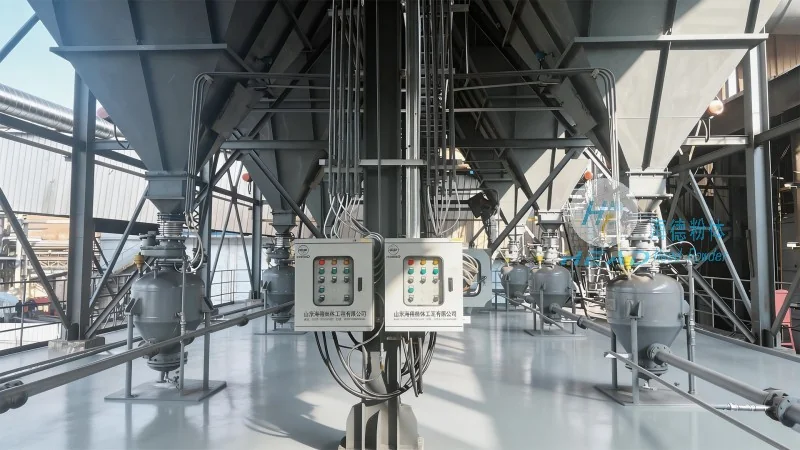
Soybean grain pneumatic conveying equipment is a specialized system used to move soybeans and other bulk grains from one location to another within a processing facility or storage area. Unlike traditional mechanical conveyors, which rely on belts or buckets, pneumatic systems utilize air pressure to transport materials. This method is particularly beneficial for handling delicate or high-value products like soybeans, as it minimizes the risk of breakage and contamination. The equipment typically consists of a hopper, a blower or air compressor, a pipeline system, and a discharge point, all working in concert to ensure smooth and efficient material transfer.
Design Principles of Pneumatic Conveying Systems
The design of a soybean grain pneumatic conveying system is based on several key principles to ensure optimal performance and reliability. The first principle is the selection of the appropriate air velocity and pressure. The air velocity must be sufficient to lift and move the soybeans through the pipeline without causing excessive wear or damage to the grains. Typically, air velocities range from 20 to 30 meters per second for horizontal transport and up to 40 meters per second for vertical lift, depending on the grain characteristics and system configuration. The pressure used is usually between 0.5 to 1.5 bar, which provides enough force to overcome the resistance of the pipeline and the weight of the soybeans.
Another critical design consideration is the material of construction. The components such as the hopper, pipeline, and discharge unit must be made from materials that are resistant to corrosion, abrasion, and the specific properties of soybeans. Common materials include stainless steel, which offers excellent hygiene and durability, and sometimes plastic or coated metal for cost-effective solutions. The design also incorporates features to prevent clogging and ensure consistent flow. This includes the use of smooth pipeline surfaces, appropriate bends and elbows with minimal pressure loss, and a well-designed hopper with a proper feed mechanism to avoid material bridging or segregation.
Key Components and Their Functions
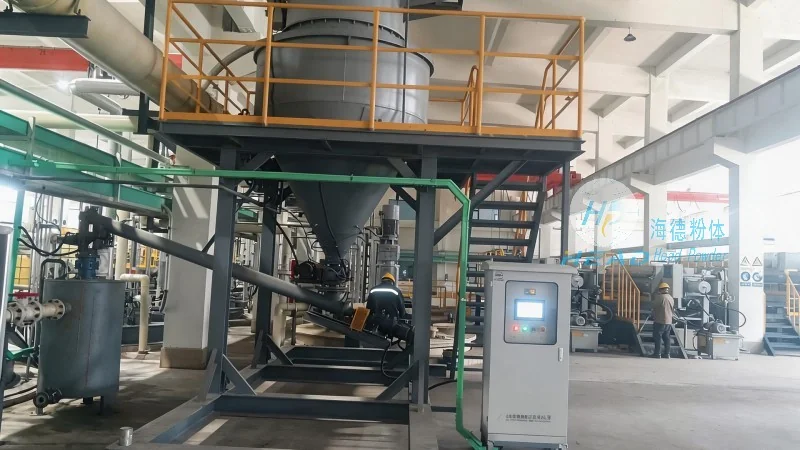
A soybean grain pneumatic conveying system comprises several essential components, each playing a vital role in the overall operation. The hopper is the primary container where soybeans are loaded before being conveyed. It is designed with a wide opening and a sloped bottom to facilitate the flow of material into the pipeline. The blower or air compressor is the heart of the system, providing the necessary air pressure and volume to move the soybeans. It can be a positive displacement blower or a centrifugal fan, depending on the system's requirements and the desired air volume. The pipeline system connects the hopper to the discharge point and is typically made of flexible or rigid tubing, depending on the application. The pipeline must be properly supported to prevent sagging and maintain consistent air pressure. The discharge unit, often a cyclone separator or a filter, is used to separate the soybeans from the air stream and collect them in a receiving bin or container. This component is crucial for maintaining the purity of the product and preventing dust or particles from escaping into the environment.
Advantages of Using Pneumatic Conveying for Soybeans
Implementing a pneumatic conveying system for soybean handling offers numerous advantages over traditional methods. One of the most significant benefits is the reduction in labor costs and operational time. The automated system can transport large quantities of soybeans with minimal human intervention, increasing overall efficiency. Additionally, the system provides better control over the handling process, ensuring consistent quality and reducing the risk of contamination. The enclosed pipeline system also helps maintain a clean and hygienic environment, which is essential for food processing applications. Furthermore, pneumatic conveying systems are more flexible in terms of layout and can be easily reconfigured to accommodate changes in production processes or facility expansions. This adaptability makes them a preferred choice for modern agricultural and food processing operations.
Applications in Soybean Processing
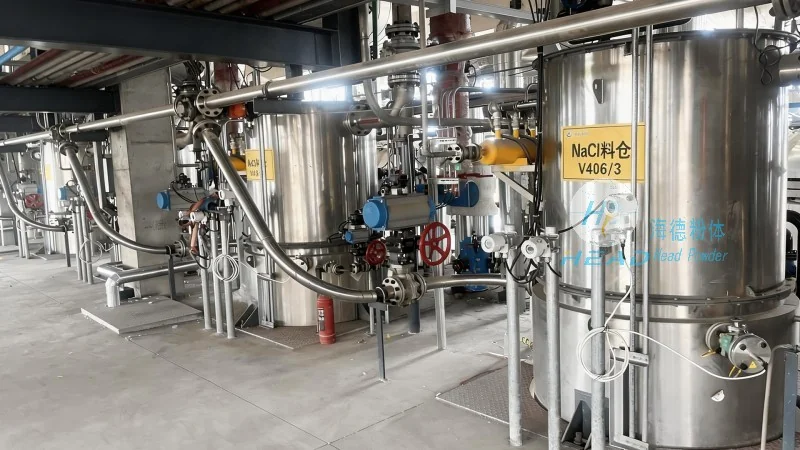
Soybean grain pneumatic conveying equipment is widely used in various stages of soybean processing. In the initial receiving and storage phase, the system can efficiently transport raw soybeans from storage silos or trucks into processing facilities. During the processing stages, such as cleaning, drying, or grinding, the equipment can move soybeans between different processing units without the need for manual handling. This is particularly important in the production of soybean oil, soy protein, and other value-added products, where maintaining product quality is paramount. The system also plays a role in packaging and distribution, where it can transfer processed soybean products to packaging lines or storage areas. By integrating pneumatic conveying into the production line, manufacturers can achieve a seamless and continuous flow of materials, enhancing productivity and reducing downtime.
Maintenance and Operational Considerations
To ensure the long-term performance and reliability of a soybean grain pneumatic conveying system, regular maintenance and proper operational practices are essential. The system should be inspected regularly for signs of wear and tear, such as pipeline leaks or component damage. The air compressor and blower should be checked for proper operation and efficiency, as any issues can lead to reduced performance or increased energy consumption. The hopper and discharge unit should be cleaned periodically to prevent the buildup of soybean residue, which can affect the system's performance and product quality. Additionally, the system should be operated within the recommended parameters, such as air pressure and velocity, to avoid excessive wear on components and ensure safe and efficient operation. Proper training of operators on the system's operation and maintenance is also crucial to maximize its lifespan and performance.
Conclusion
Soybean grain pneumatic conveying equipment is a sophisticated and efficient solution for handling soybeans and other grains in agricultural and food processing applications. Its design, based on principles of air pressure and material flow, offers numerous advantages over traditional mechanical conveyors, including improved hygiene, reduced contamination, and enhanced operational flexibility. By understanding the key components, design principles, and operational considerations, manufacturers can effectively implement and maintain these systems to achieve optimal performance and productivity. As the demand for efficient grain handling continues to grow, pneumatic conveying systems will remain a vital technology in the soybean processing industry, supporting the production of high-quality soybean products for global markets.




