Fine chemical industries often rely on specialized equipment to handle powders and granules efficiently. A fine chemical pneumatic conveying system is a critical piece of infrastructure designed to transport these materials safely and effectively. This system uses air or other gases to move particles through a pipeline, offering a dust-free, enclosed method of material transfer that is essential for maintaining product quality and operational safety.
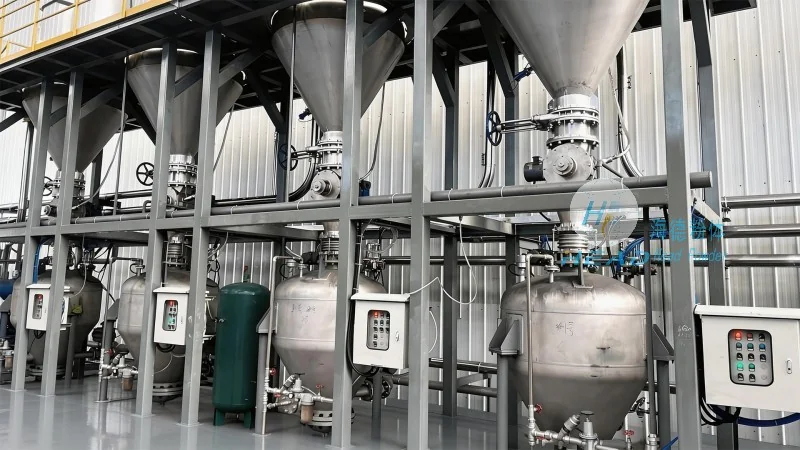
Understanding the Core Components of a Fine Chemical Pneumatic Conveying System
At the heart of any fine chemical pneumatic conveying system are several key components that work in tandem to ensure smooth operation. The primary elements include a feeding device, a conveying line (typically made of stainless steel or other corrosion-resistant materials), a control system, and a collection unit. The feeding device, such as a rotary valve or a star feeder, ensures a consistent flow of material into the system. The conveying line is designed to withstand the pressures and temperatures associated with the material being transported, while the control system monitors and adjusts air pressure and flow rates to maintain optimal performance. Finally, the collection unit, often a hopper or a silo, receives the material at the end of the line, preventing dust and ensuring a clean transfer.
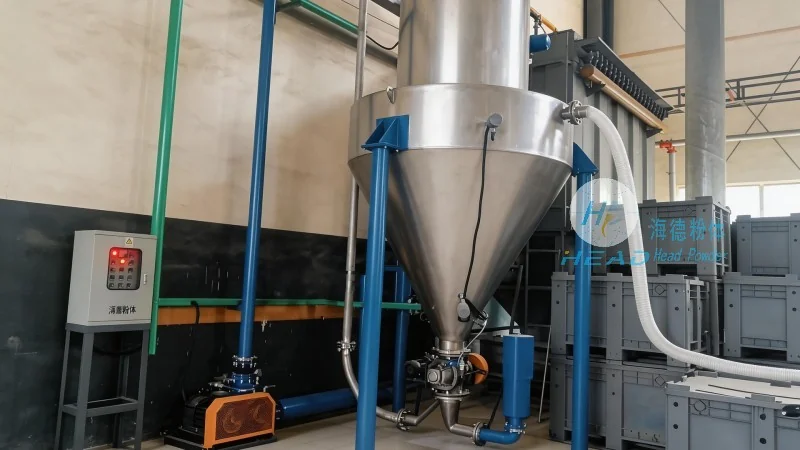
Design Principles for Efficient Fine Chemical Pneumatic Conveying
Designing an effective fine chemical pneumatic conveying system involves several critical principles that address both functionality and safety. One of the most important considerations is the selection of the right conveying method—either dilute phase or dense phase. Dilute phase systems use low air velocities to move particles, making them suitable for short distances and low to medium particle sizes. Dense phase systems, on the other hand, use higher air pressures and lower velocities to transport materials more gently, reducing the risk of product degradation and damage. Another key principle is the proper sizing of the conveying line and the air compressor. The line diameter must be sufficient to prevent clogging and ensure adequate airflow, while the compressor must provide enough pressure to overcome resistance in the system. Additionally, the system must be designed with corrosion-resistant materials, as fine chemicals often include acidic or alkaline substances that can degrade standard metal components. This ensures long-term durability and maintains product purity throughout the process.
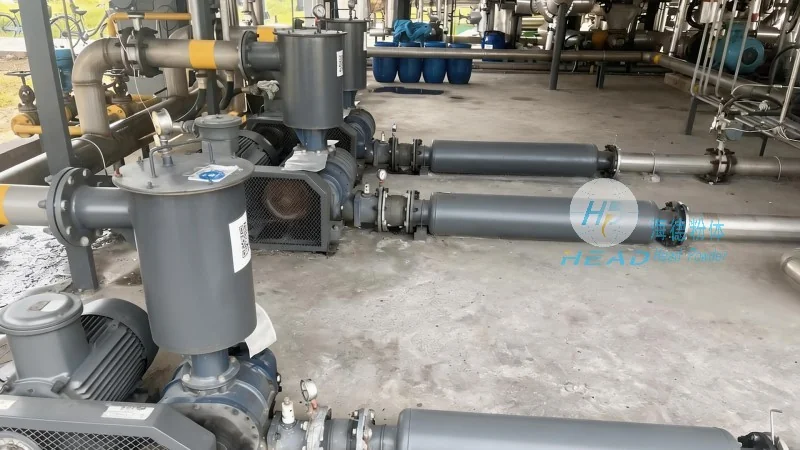
Company Profile: Shandong HeadPowder Engineering Co., Ltd.
Shandong HeadPowder Engineering Co., Ltd., commonly known as HeadPowder, is a leading manufacturer specializing in the design and production of fine chemical processing equipment. With headquarters in Shandong, China, the company has built a reputation for delivering high-quality, customized solutions tailored to the unique needs of the fine chemical industry. HeadPowder’s expertise lies in the development of pneumatic conveying systems, as well as other equipment such as powder mixers, classifiers, and storage systems. The company adheres to strict quality control standards, ensuring that every product meets or exceeds industry benchmarks for performance, safety, and reliability. By combining advanced engineering with years of industry experience, HeadPowder provides clients with solutions that enhance operational efficiency and protect product integrity.
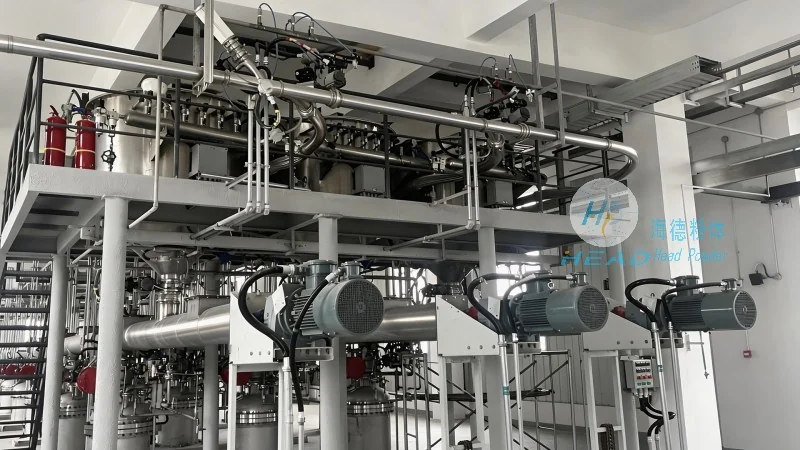
Applications and Benefits of Fine Chemical Pneumatic Conveying Systems
Fine chemical pneumatic conveying systems are widely used in various applications across the chemical, pharmaceutical, and food industries. In the pharmaceutical sector, these systems are essential for transporting active ingredients and excipients, as they maintain product sterility and prevent contamination. In the chemical industry, they are used to move raw materials and intermediates during manufacturing processes, ensuring a seamless flow of materials from one stage to the next. The food industry also benefits from these systems, as they provide a hygienic and dust-free method of handling powders like spices, sugars, and flavorings. The primary benefits of using a fine chemical pneumatic conveying system include improved safety (by eliminating dust exposure), enhanced product quality (by preventing contamination and degradation), and increased operational efficiency (through automated and continuous material transfer). Additionally, these systems are space-efficient, as they can be installed in compact areas and integrated into existing production lines without major modifications.




