Intelligent bulk material pneumatic conveying systems represent a sophisticated solution for material handling in various industrial applications. These systems are designed to efficiently transport dry bulk materials such as powders, granules, and other particulate substances through a pipeline using air pressure. The technology has evolved significantly over the years, integrating advanced control systems and automation to enhance operational efficiency and reliability. By leveraging pneumatic transport, these systems offer a non-contact method of material movement, reducing the risk of contamination and damage to the material being conveyed. This makes them particularly suitable for industries where product purity and integrity are critical, such as food processing, pharmaceuticals, and chemicals.
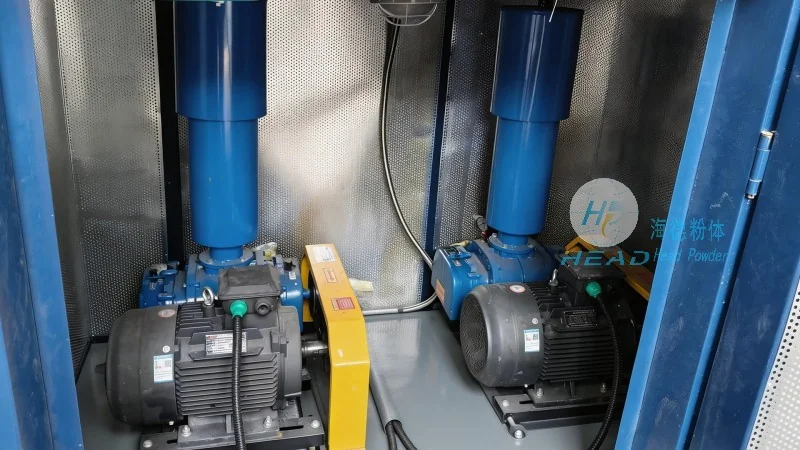
Overview of HeadPowder's Intelligent Bulk Material Pneumatic Conveying Solutions
Shandong HeadPowder Engineering Co., Ltd., commonly known as HeadPowder, is a leading manufacturer specializing in the design, development, and implementation of high-performance pneumatic conveying systems. With a strong presence in China, particularly in Shandong, the company has built a reputation for delivering customized solutions tailored to the unique needs of clients across different industries. HeadPowder's systems are engineered to meet stringent quality standards and operational requirements, ensuring optimal performance in diverse material handling scenarios. The company leverages years of experience and technical expertise to provide solutions that enhance productivity, reduce operational costs, and improve overall process efficiency. HeadPowder's commitment to innovation and customer satisfaction has positioned it as a trusted partner in the material handling industry.
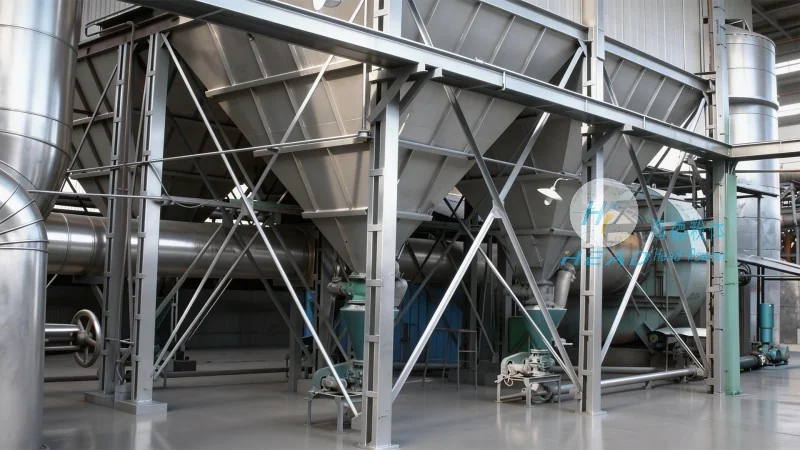
Key Design Principles of Intelligent Pneumatic Conveying Systems
The design of an intelligent bulk material pneumatic conveying system involves several critical principles that ensure efficient and reliable operation. First, the system must be tailored to the specific characteristics of the material being conveyed, including particle size, density, moisture content, and flowability. This involves selecting the appropriate conveying method—such as positive pressure, negative pressure, or a combination of both—based on the material's properties and the system's application. For instance, positive pressure systems are commonly used for long-distance or high-volume conveying, as they can maintain consistent pressure and flow. Negative pressure systems, on the other hand, are ideal for applications requiring a clean environment, as they prevent dust and particles from escaping into the surrounding air. Second, the system incorporates advanced control and monitoring technologies to optimize air flow, pressure, and material flow rates. These systems often feature real-time data acquisition and feedback mechanisms that allow for dynamic adjustments, enhancing process control and reducing downtime. The integration of sensors, controllers, and software enables operators to monitor the system's performance and make informed decisions to maintain optimal operation.
Components and Functional Aspects of the System
An intelligent bulk material pneumatic conveying system typically consists of several key components, each playing a crucial role in the overall operation. The primary components include the material feed hopper, which holds the bulk material and regulates its discharge into the conveying line; the air compressor or vacuum pump, which generates the necessary pressure or vacuum to move the material; the conveying pipeline, which transports the material from the source to the destination; and the material discharge hopper or silo, where the material is collected. Additionally, the system may include accessories such as rotary valves, filters, and pressure regulators to ensure smooth and efficient material flow. The rotary valve, for example, controls the flow of material from the hopper into the pipeline, preventing backflow and ensuring consistent material delivery. Filters are used to remove any debris or dust from the air, protecting the system components and maintaining air quality. Pressure regulators help maintain a stable pressure within the system, ensuring consistent material flow and preventing damage to the equipment. The integration of these components, along with advanced control systems, enables the system to operate with high precision and minimal maintenance, reducing the need for frequent repairs and downtime.
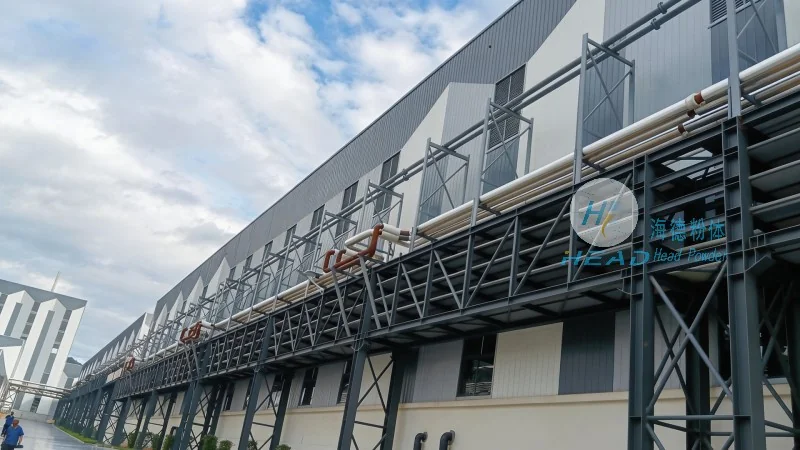
Benefits and Applications of Intelligent Pneumatic Conveying Systems
Intelligent bulk material pneumatic conveying systems offer numerous benefits to industrial operations. These include improved safety by eliminating manual handling of bulk materials, which reduces the risk of accidents and injuries. Enhanced efficiency through automated control and monitoring allows for real-time adjustments to optimize material flow, reducing waste and increasing productivity. Reduced downtime due to predictive maintenance capabilities ensures that the system operates continuously with minimal interruptions. The systems are widely used in industries such as food and beverage, pharmaceuticals, chemicals, and mining, where the handling of dry bulk materials is essential. For example, in the food industry, these systems are used to transport ingredients like flour, sugar, and spices, ensuring hygienic and efficient processing. The pharmaceutical sector utilizes these systems to maintain sterile conditions and prevent contamination during material transfer, as even small amounts of contamination can have significant health implications. In the chemical industry, the systems help transport raw materials and finished products, ensuring consistent quality and reducing the risk of spills or leaks. The mining industry benefits from these systems by efficiently conveying ore and other minerals from processing facilities to storage or further processing sites. The versatility of these systems makes them suitable for a wide range of applications, from small-scale operations to large-scale industrial facilities, providing a reliable and efficient solution for bulk material handling.




