Understanding the automatic loading and unloading pneumatic conveying system is crucial for industries seeking efficient material handling solutions. This system, often referred to as a pneumatic conveyor, is designed to transport bulk materials from one location to another using air pressure or vacuum. The core function of such a system is to automate the process of moving materials, eliminating the need for manual labor and reducing operational costs. These systems are particularly beneficial for industries like food processing, pharmaceuticals, and chemical manufacturing, where maintaining product purity and operational efficiency is paramount.
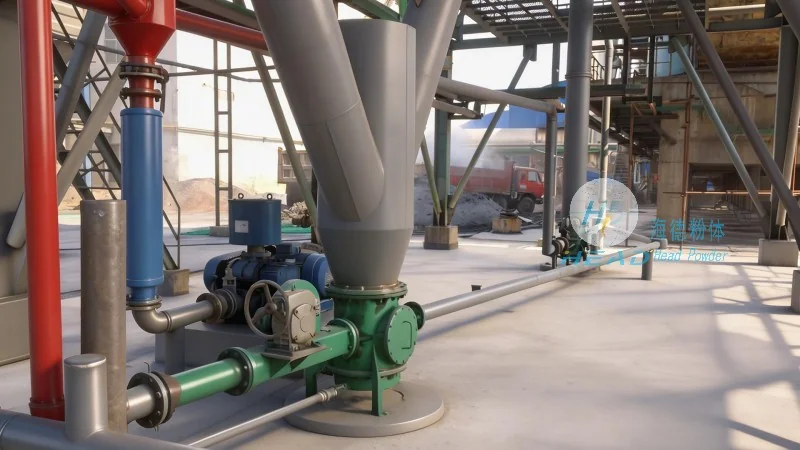
Introduction to Pneumatic Conveying Systems
Pneumatic conveying systems are widely used in various industries, including food processing, pharmaceuticals, and chemical manufacturing. These systems are particularly advantageous for handling powders, granules, and other fine materials that are difficult to transport using traditional methods like belt conveyors or bucket elevators. The primary advantage lies in their ability to transport materials in a closed system, minimizing dust exposure and contamination risks. By integrating automation into the loading and unloading processes, these systems further enhance operational reliability and reduce human error.
Key Components of an Automatic Loading and Unloading Pneumatic Conveying System
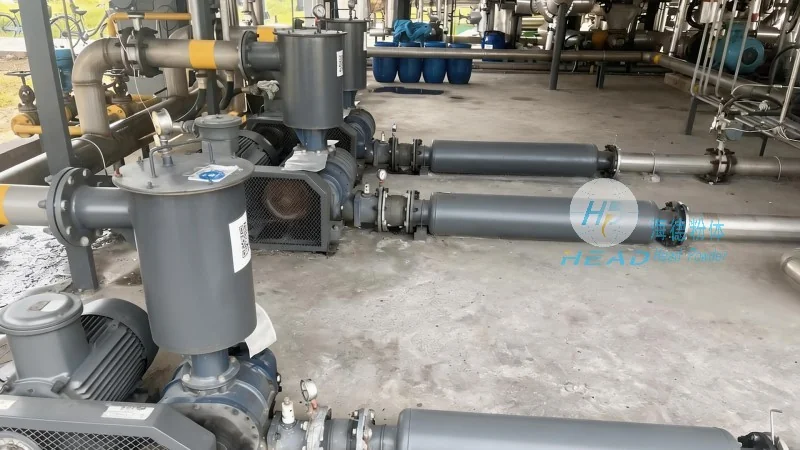
An effective automatic loading and unloading pneumatic conveying system consists of several critical components that work in tandem to ensure smooth operation. These components include the hopper or feeder, which holds the material to be conveyed; the air compressor or vacuum pump, which generates the necessary air pressure or vacuum; the conveying line, which transports the material through pipes; and the receiver or discharge hopper, where the material is deposited. Additionally, control systems and sensors are integrated to monitor and regulate the flow of material and air, ensuring optimal performance. The design of each component must align with the specific material properties and operational requirements to achieve efficient conveying.
Design Principles Behind the System
The design principles of an automatic loading and unloading pneumatic conveying system are centered on efficiency, reliability, and adaptability. Engineers must consider several factors when designing such a system, including the type and properties of the material being conveyed (e.g., particle size, moisture content, and density), the distance and elevation changes required for transport, and the desired throughput rate. The system's design must also account for the need to minimize pressure drop along the conveying line, as excessive pressure loss can reduce the system's efficiency and increase energy consumption. Proper selection of air velocity and pipe diameter is essential to maintain consistent material flow and prevent blockages or material degradation.
How the Automatic Loading and Unloading Process Works
The automatic loading process typically begins when material is fed into the hopper from a storage silo or batch container. The feeder then regulates the flow of material into the conveying line, ensuring a consistent and controlled rate of material introduction. Simultaneously, the air compressor generates a stream of air that moves through the conveying line, carrying the material particles along. The system's control panel monitors the pressure and flow rates, adjusting the air supply as needed to maintain optimal conveying conditions. This automation ensures that the material is transported without interruption, even during periods of high demand or material changes.
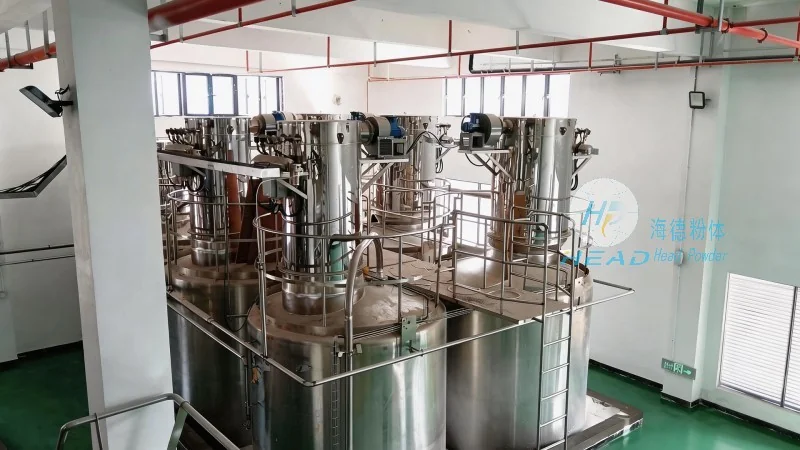
Upon reaching the discharge point, the material is deposited into the receiver hopper. The unloading process is automated, with the receiver's outlet or discharge valve controlling the release of material to the next stage of processing or storage. Some systems may include additional features, such as cyclones or filters, to separate any air from the material stream before it reaches the receiver, ensuring that the material remains clean and free from contaminants. This closed-loop design maintains product integrity and reduces the risk of cross-contamination.
Advantages of Using an Automatic Loading and Unloading Pneumatic Conveying System
Implementing an automatic loading and unloading pneumatic conveying system offers numerous benefits for industrial operations. Firstly, it significantly reduces labor costs by automating the material handling process, eliminating the need for manual loading and unloading. This not only saves time but also improves workplace safety by minimizing exposure to dust and other hazards associated with manual material handling. Secondly, the closed system design prevents dust and contamination, which is critical in industries like food and pharmaceuticals where product purity is paramount. Thirdly, these systems are highly flexible and can be easily integrated into existing production lines, allowing for adjustments to accommodate changes in material types or production volumes.
Applications and Industries
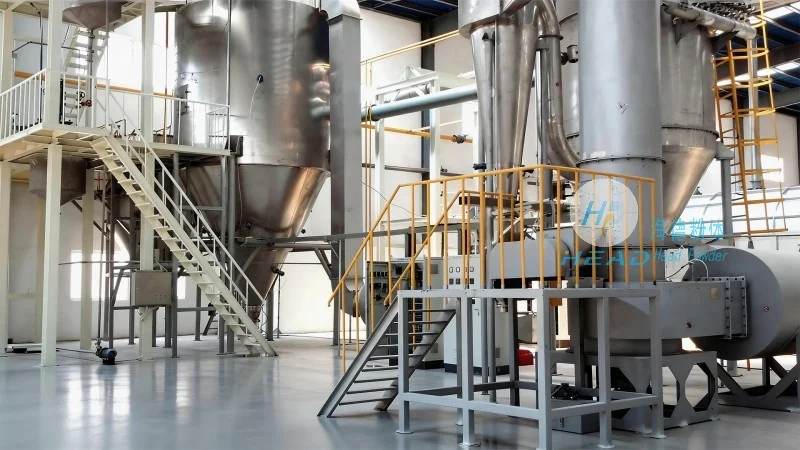
Automatic loading and unloading pneumatic conveying systems are versatile and find applications across a wide range of industries. In the food industry, they are used to transport ingredients like flour, sugar, and spices from storage to processing equipment, ensuring hygienic and efficient handling. In the pharmaceutical sector, these systems are employed to convey active pharmaceutical ingredients (APIs) and other sensitive materials, maintaining strict contamination control. The chemical industry also utilizes pneumatic conveyors to transport powders and granules, such as fertilizers or pigments, while the manufacturing sector benefits from their ability to handle metal powders and other industrial materials. Regardless of the industry, the system's ability to handle various material types makes it a valuable asset for modern production facilities.
Conclusion
In conclusion, an automatic loading and unloading pneumatic conveying system is a sophisticated and efficient solution for material handling in various industrial applications. By understanding its design principles and components, industries can optimize their operations, reduce costs, and enhance safety. As technology advances, these systems continue to evolve, offering even greater flexibility and performance to meet the demands of modern manufacturing processes. For businesses seeking reliable and automated material transport solutions, investing in a well-designed pneumatic conveying system is a strategic move that can yield long-term benefits. The integration of automation and closed-system design ensures that material handling is not only efficient but also safe and compliant with industry standards.




