Vanadium oxide is a critical industrial material utilized across various sectors including chemical manufacturing, battery production, and catalyst applications. The efficient and safe transportation of vanadium oxide powder is essential for industrial processes, and pneumatic conveying systems have become a preferred solution. This article aims to explore the concept of vanadium oxide pneumatic conveying equipment and delve into its design principles, providing a comprehensive understanding for professionals in the field.
Introduction to Vanadium Oxide Pneumatic Conveying Equipment
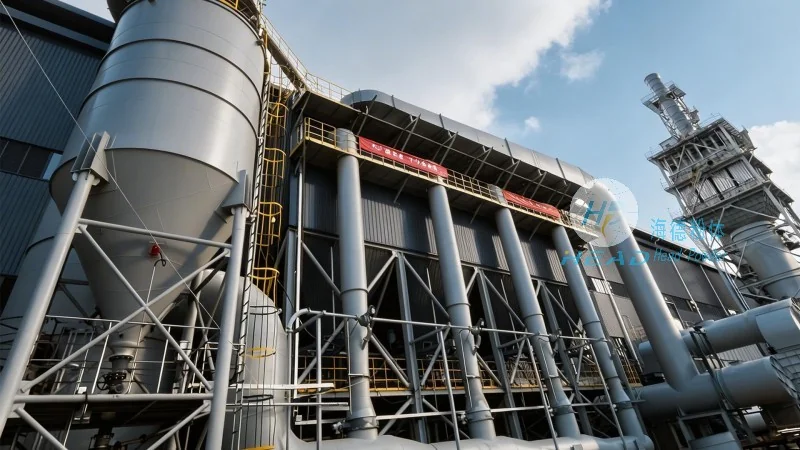
Vanadium oxide, often in the form of fine powder, requires specialized handling due to its chemical properties and potential hazards. Pneumatic conveying equipment offers a non-contact, dust-free method to transport such materials, ensuring safety and maintaining product integrity. The system typically consists of a hopper, a blower or compressor, a pipeline network, and a discharge unit. The core of this equipment is the ability to use air pressure to move the powder through the system, minimizing the risk of contamination and ensuring consistent flow rates.
Key Components of Vanadium Oxide Pneumatic Conveying Systems
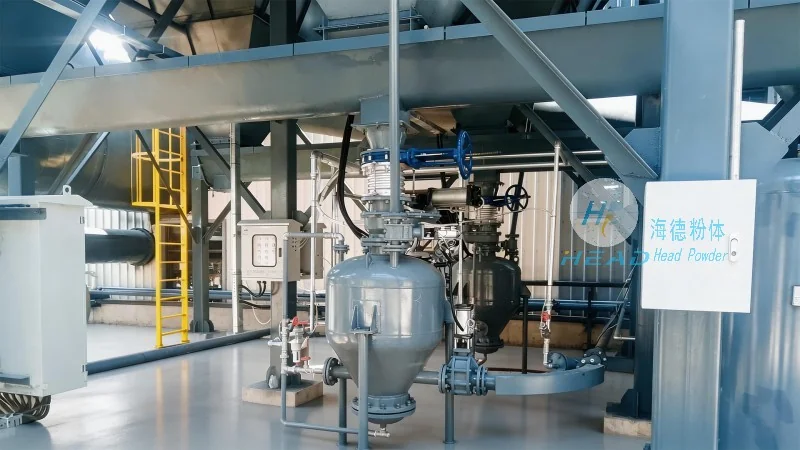
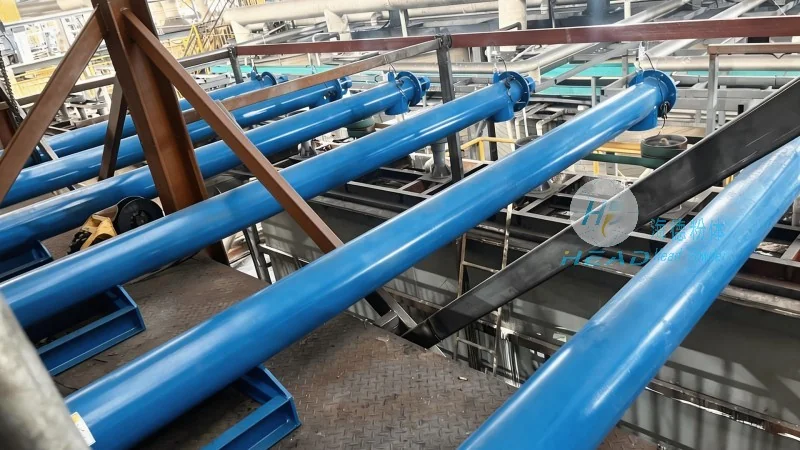
Several key components work together to ensure the effective operation of vanadium oxide pneumatic conveying equipment. The first is the material hopper, which stores the vanadium oxide powder and provides a controlled feed to the system. The hopper is designed with features such as a conical bottom and a feeding valve to regulate the flow of powder into the pipeline. Next, the air supply unit, which can be a positive displacement blower or a centrifugal fan, generates the necessary air pressure to move the powder. The blower's capacity and pressure are critical parameters that must match the material's characteristics and the system's requirements. The pipeline network connects the hopper to the discharge point and is typically made of materials resistant to corrosion and abrasion, such as stainless steel or polyethylene, to prevent material degradation and system damage.
Design Principles for Efficient Vanadium Oxide Pneumatic Conveying
The design of vanadium oxide pneumatic conveying equipment follows several fundamental principles to ensure optimal performance. The first principle is the selection of appropriate air velocity. The air velocity must be high enough to entrain the powder particles but low enough to prevent excessive wear on the pipeline and components. This is often determined by the material's particle size, density, and flow characteristics. The second principle is the system's pressure drop, which must be minimized to reduce energy consumption and maintain consistent flow. Proper sizing of the pipeline diameter and the use of smooth, unobstructed pathways are essential to achieve this. Additionally, the system must be designed to handle the specific properties of vanadium oxide, such as its potential reactivity and abrasive nature. This involves using materials that are resistant to corrosion and wear, and incorporating features like cyclones or filters to separate the powder from the air at the discharge point.
Applications and Benefits of Vanadium Oxide Pneumatic Conveying Equipment
Vanadium oxide pneumatic conveying equipment is widely used in industries where the handling of fine powders is critical. In the chemical industry, it is used to transport vanadium oxide for the production of vanadium pentoxide, a key component in battery cathodes. In the battery manufacturing sector, the equipment ensures the safe and efficient delivery of vanadium oxide to production lines, reducing the risk of dust explosions and improving product quality. The benefits of using pneumatic conveying systems include improved safety, as there is no direct contact between operators and the material, reduced maintenance costs due to the absence of mechanical parts in the conveying path, and increased efficiency in material handling. Additionally, the system can be integrated with other industrial processes, such as mixing and packaging, to create a seamless production line.
Conclusion and Company Overview
Vanadium oxide pneumatic conveying equipment is a vital component in modern industrial operations, providing a safe and efficient method to transport fine powders. The design principles and components of such systems are carefully engineered to meet the specific needs of vanadium oxide, ensuring optimal performance and reliability. As a leading provider in the field, Shandong HeadPowder Engineering Co., Ltd. specializes in the design, manufacturing, and installation of pneumatic conveying systems tailored to the unique requirements of industrial clients. With a focus on quality and innovation, the company ensures that its equipment meets the highest standards of safety and efficiency, supporting the success of its clients in various industries. Located in Shandong, China, HeadPowder Engineering Co., Ltd. leverages its expertise and experience to deliver customized solutions that enhance the productivity and safety of industrial processes.




