Carboxymethyl cellulose (CMC) is a widely used industrial chemical in sectors such as food, pharmaceuticals, and construction. Its unique rheological properties make it an ideal thickening and stabilizing agent. For material handling, understanding the operation process and working principle of CMC handling systems is vital for optimizing efficiency and maintaining product quality. This article provides a detailed overview of how CMC material handling systems operate, highlighting key components and processes.
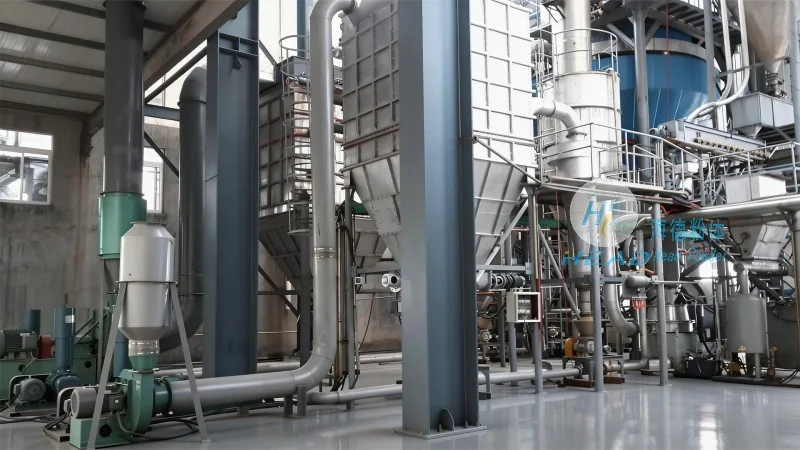
Overview of Carboxymethyl Cellulose Material Handling
Carboxymethyl cellulose material handling systems are engineered to transport CMC powder or slurry from storage to processing units. These systems are typically integrated into larger production lines, ensuring seamless material flow. The systems are designed to handle CMC's specific characteristics, including its hygroscopic nature and variable viscosity based on concentration. HeadPowder, a leading manufacturer based in Shandong, China, specializes in developing customized material handling solutions tailored to the unique requirements of CMC processing.
The Operation Process of CMC Material Handling
The operation process of a CMC material handling system involves several critical steps. First, CMC material is stored in a silo or bulk container. It is then transferred to a feeding device, such as a rotary valve or screw feeder, which controls the flow rate. The material is conveyed through a pipeline or conveyor system to the processing unit. In some cases, CMC is pre-mixed with water or other liquids to form a slurry, which is pumped through a dedicated pipeline. The system includes sensors and control panels to monitor and adjust the flow rate, ensuring consistent performance. The entire process is automated to minimize human intervention and preserve product integrity.
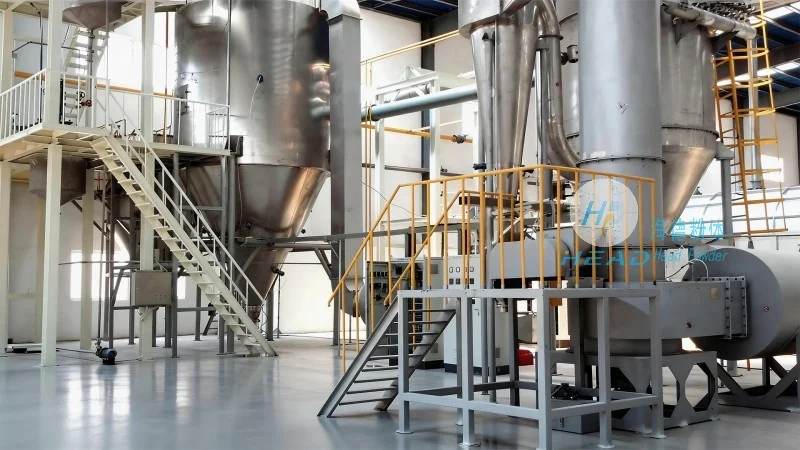
Working Principle of CMC Material Handling Systems
The working principle of CMC material handling systems is based on fluid dynamics and mechanical engineering. Key components include storage silos, feeding mechanisms, conveying systems, and control units. The storage silo holds large quantities of CMC while maintaining quality. The feeding device regulates material release into the conveying system. The conveying system—pneumatic or mechanical—transports CMC to the processing area. For slurry handling, pumps move the mixture through pipelines. Sensors detect flow rate or pressure changes, triggering adjustments to maintain optimal conditions. The control unit manages all components, ensuring efficient and safe operation.
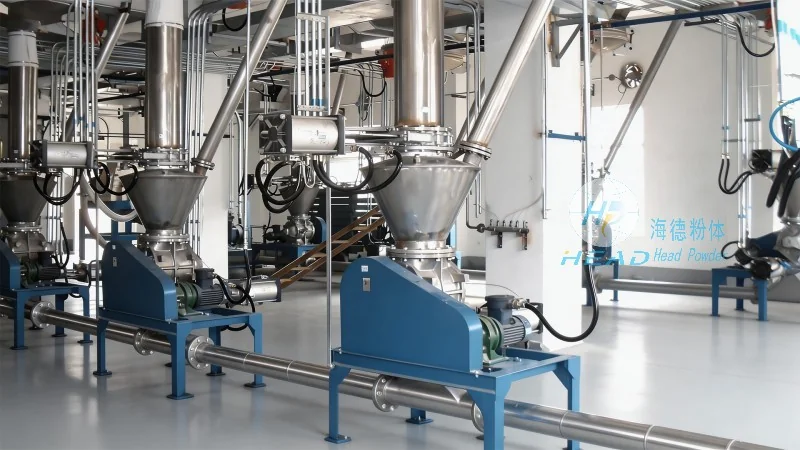
Key Factors Influencing CMC Material Handling Performance
Several factors impact CMC material handling performance. The CMC solution's viscosity is significant, as higher viscosity affects flow rate and requires more powerful conveying equipment. Moisture content also influences handling, as hygroscopic materials can clump or stick to surfaces. Temperature control is another critical factor, as CMC can degrade or change properties at extreme temperatures. HeadPowder's expertise in material handling design addresses these factors by selecting appropriate equipment and implementing effective control strategies. Their systems handle CMC with varying concentrations and moisture levels, ensuring reliable operation.

Benefits of Efficient CMC Material Handling
Efficient CMC material handling offers several advantages for industrial operations. It reduces downtime by ensuring a steady supply of material to processing units. It minimizes waste by preventing clumping or clogging. It also enhances safety by reducing manual handling risks. Optimized handling can lead to cost savings via lower energy use and maintenance needs. HeadPowder's customized solutions help clients achieve these benefits, improving overall operational efficiency.
Conclusion
In conclusion, the operation process and working principle of carboxymethyl cellulose material handling systems are complex but essential for industrial applications. By understanding key components and processes, manufacturers can optimize systems for better performance and product quality. HeadPowder, with its expertise in material handling engineering, provides reliable solutions for CMC processing. Their systems address challenges like CMC's unique properties, ensuring efficient and safe material transport. For industries relying on CMC, investing in a well-designed material handling system is crucial for maintaining productivity and product integrity.




