Starch pneumatic conveying systems are essential equipment in the food processing and chemical industries, designed to transport starch powders efficiently and safely. These systems utilize air or other gases to move bulk materials through a pipeline network, offering a dust-free and hygienic method of material handling. Understanding the core components and design principles of such systems is crucial for optimizing operational efficiency and ensuring product quality.
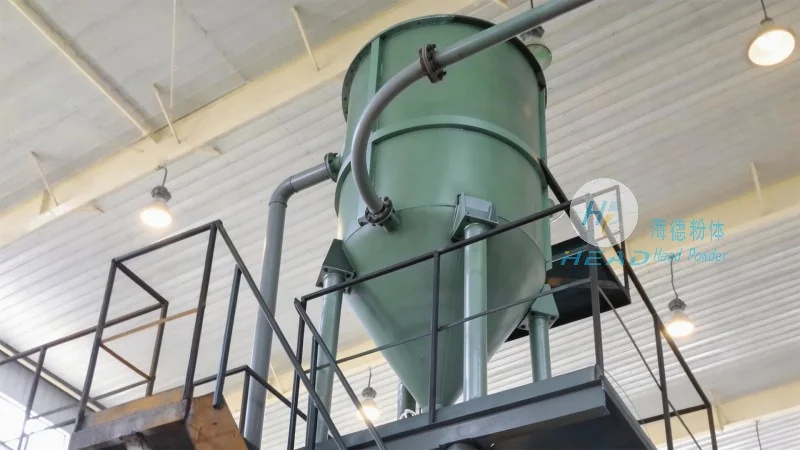
Introduction to Starch Pneumatic Conveying Systems
Starch pneumatic conveying systems are specialized equipment used to transport starch powders from one location to another within industrial facilities. Unlike traditional mechanical conveyors, which rely on physical contact and friction to move materials, pneumatic systems use the force of air or gas to lift, transport, and deposit bulk solids. This method is particularly advantageous for handling fine powders like starch, which are prone to caking, bridging, or dust generation when handled by conventional means.
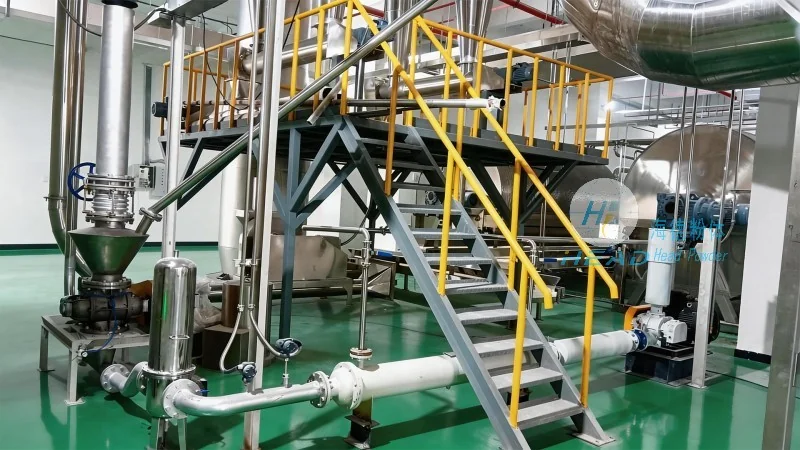
Key Components of a Starch Pneumatic Conveying System
At the heart of a starch pneumatic conveying system are several critical components that work in tandem to ensure smooth operation. The primary components include a material feeder, a conveying line (often equipped with pressure vessels or ducts), a control system, and a discharge device. The material feeder is responsible for feeding the starch powder into the system at a controlled rate, preventing overloading and ensuring consistent flow. The conveying line, typically made of stainless steel or other corrosion-resistant materials, is designed to withstand the pressure and temperature conditions of the process. The control system monitors and regulates the air pressure, flow rate, and material feed, ensuring optimal performance and preventing system failures. Finally, the discharge device, such as a rotary valve or a venturi, controls the release of the starch powder at the destination point, preventing backflow and maintaining product integrity.
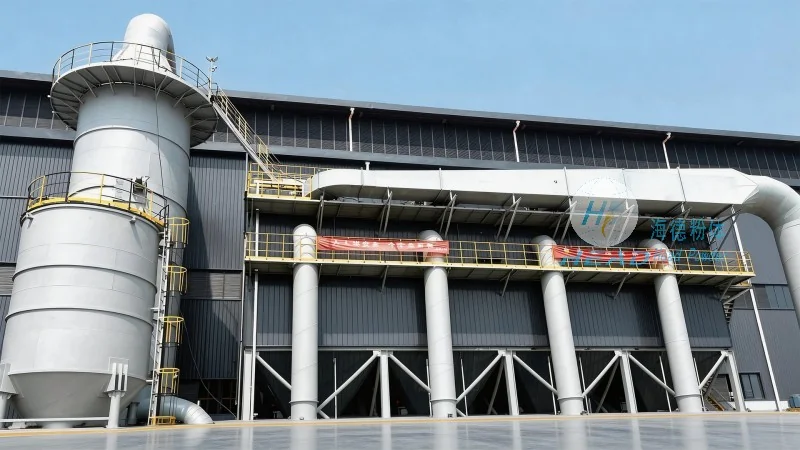
Design Principles of Starch Pneumatic Conveying Systems
The design of a starch pneumatic conveying system is based on several fundamental principles to ensure efficient and reliable operation. The first principle is the selection of the appropriate conveying method, which can be categorized into pressure, vacuum, or mixed systems. Pressure systems use compressed air to push the material through the pipeline, while vacuum systems use suction to draw the material. Mixed systems combine both pressure and vacuum to achieve longer conveying distances or handle more complex material flows. For starch powders, pressure systems are often preferred due to their ability to handle fine particles and prevent dust accumulation. The second principle is the calculation of the air-to-material ratio, which determines the amount of air required to transport a given volume of starch. This ratio is critical for maintaining the desired conveying velocity and preventing material deposition or blockages in the pipeline. The third principle is the design of the system layout, which considers factors such as the distance between the feed and discharge points, the number of bends and fittings, and the overall system pressure. Proper layout minimizes pressure losses and ensures consistent material flow throughout the system.
Advantages of Using Starch Pneumatic Conveying Systems
Starch pneumatic conveying systems offer several advantages over traditional mechanical conveyors, making them the preferred choice for many industrial applications. One of the primary benefits is the ability to handle fine powders without causing dust or caking. The enclosed system design prevents airborne particles from contaminating the environment or the product, ensuring high levels of hygiene and product quality. Another advantage is the flexibility of the system, which can be easily reconfigured to accommodate changes in production volume or process requirements. The system can be expanded or modified to handle different types of starch powders or to connect with other processing equipment. Additionally, pneumatic conveying systems are energy-efficient compared to mechanical conveyors, as they use less power to transport materials over long distances. The reduced maintenance requirements and lower operational costs further enhance the economic benefits of using such systems.
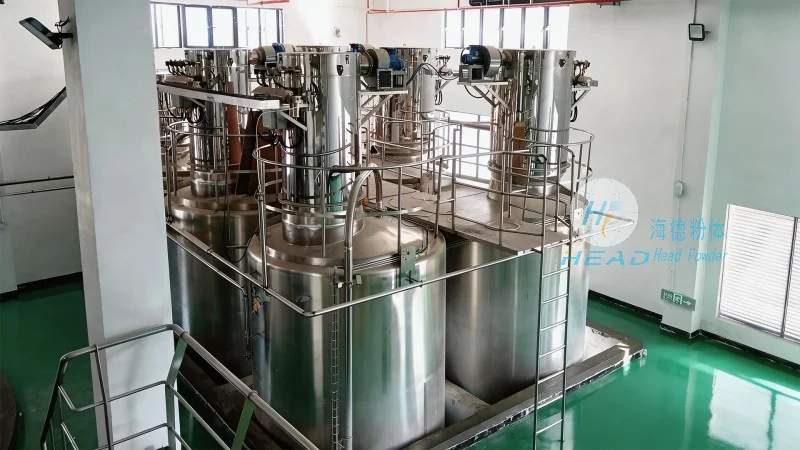
About Shandong HeadPowder Engineering Co., Ltd.
Shandong HeadPowder Engineering Co., Ltd., commonly known as HeadPowder, is a leading manufacturer of starch processing equipment and pneumatic conveying systems. With a strong focus on innovation and quality, the company has established itself as a trusted partner for industries requiring reliable and efficient material handling solutions. HeadPowder's products are designed to meet the specific needs of starch processing facilities, ensuring optimal performance and durability. The company's headquarters is located in Shandong, China, where it has a team of experienced engineers and technicians dedicated to research, development, and customer support. HeadPowder's commitment to excellence and customer satisfaction has earned it a reputation for delivering high-quality products and services that meet or exceed industry standards.




